- Call us 01444 237070

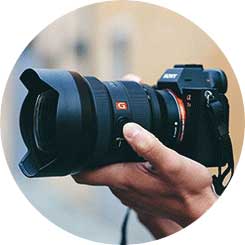
Sony Mirrorless Camera Lenses
Shop Sony mirrorless lenses, with a wide choice of E-mount optics for full-frame and APS-C systems. Explore FE, G and G Master alongside compatible options from Sigma, Tamron, Samyang and Viltrox.
Whether you’re replacing a kit zoom, adding a bright prime for beautiful background blur or choosing a telephoto for wildlife and sport, compare focal lengths, apertures and prices in one place. Explore wide-angle options for landscapes and interiors, macro photography, portraits and versatile zooms for travel and video.
We are an official dealer supplying genuine UK stock, with free delivery available on orders over £50 and expert advice from our photography specialists.
Categories
Buy with confidence
Our UK based sales team is on hand to help
01444 237070
Monday - Saturday
9am - 5.30pm
Sunday
10am - 4pm
Aaron
Used products team

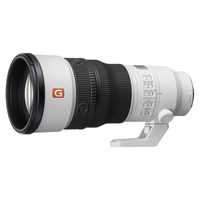
£200 off select Sony teleconverters
Free 2 Year Warranty
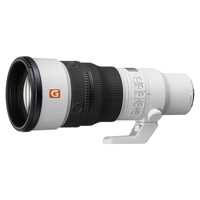
£200 off select Sony teleconverters
Free 2 Year Warranty
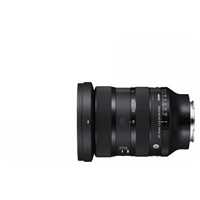
£175 off. Voucher code SIGMA-175
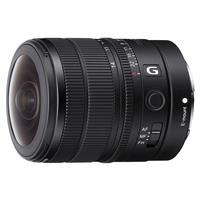
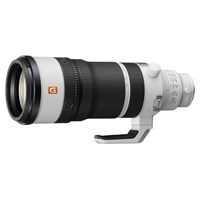
£200 off select Sony teleconverters
Free 2 Year Warranty
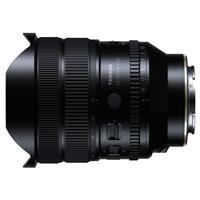
£1599 after Cashback
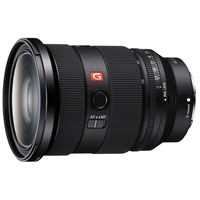
Sony FE 24-70mm f/2.8 GM II Lens
In Stock
Sony Price Drop
Free 2 Year Warranty
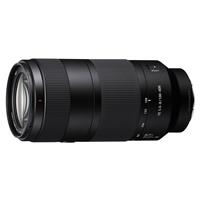
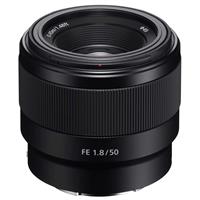
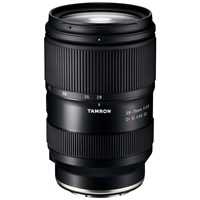
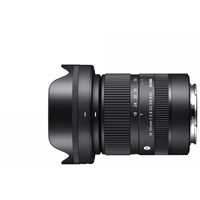
£45 off. Voucher code SIGMA-45
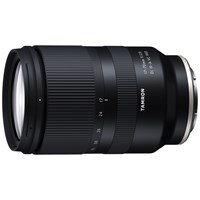
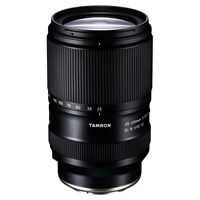
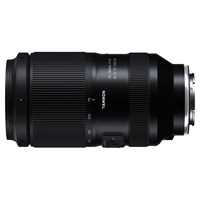
£729 after Cashback
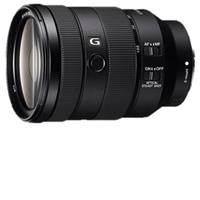
Sony FE 24-105mm f/4 G OSS Zoom Lens
In Stock
Free 2 Year Warranty
£1599 after Cashback
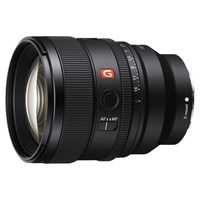
Sony FE 85mm f/1.4 GM II Lens
In Stock
Free 2 Year Warranty
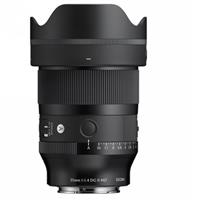
£2099 after Cashback
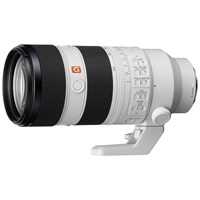
Sony FE 70-200mm f/2.8 GM II Lens
In Stock
Sony Price Drop
Free 2 Year Warranty
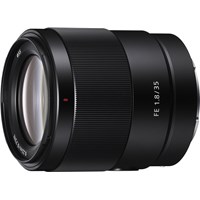
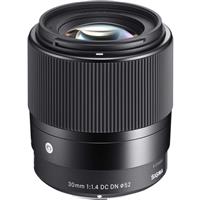
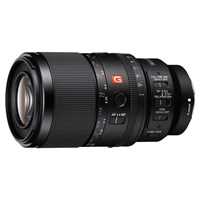
246 items
Page 1 of 11
Frequently Asked Questions
Will These Fit My Sony?
Will These Fit My Sony?
All E-mount models share the same physical fitting and attach directly to compatible Alpha bodies. Full-frame FE lenses also work on APS-C models, while APS-C optics normally use a reduced-resolution crop on full-frame bodies.
Should I Choose a Prime or Zoom?
Should I Choose a Prime or Zoom?
A zoom provides flexibility across several focal lengths, while a prime can offer a wider maximum aperture, compact construction or attractive background blur. Choose according to your subjects and shooting style.
What Is the Difference Between G and GM?
What Is the Difference Between G and GM?
G Master is Sony’s flagship range, with an emphasis on exceptional resolution, background rendering and advanced optical performance. G optics also offer premium image quality, with different focal lengths, apertures and sizes to suit a wide range of photographers.
Are Sigma, Tamron, Samyang and Viltrox Compatible?
Are Sigma, Tamron, Samyang and Viltrox Compatible?
Yes. Their E-mount models attach directly without an adapter, and many support autofocus and electronic aperture control. Specific features vary by camera and model.
Do I Need Optical Stabilisation?
Do I Need Optical Stabilisation?
Not necessarily. Many Sony mirrorless cameras feature in-body stabilisation, while selected lenses include OSS. Optical stabilisation can be particularly useful at longer focal lengths, although the benefits and combined performance depend on exact models.