- Call us 01444 237070

-
- Back
- Used Cameras
- Used Accessories
- Used Lenses
- Back
- Used Canon Lenses
- Used Nikon Lenses
- Used Fujifilm Lenses
- Used Sony Lenses
- Used Micro 4/3rds Lenses
- Used Leica Lenses
- Used Panasonic Lenses
- Used Pentax Lenses
- Used Samyang Lenses
- Used Sigma Lenses
- Used Tamron Lenses
- Used Tokina Lenses
- Used Voigtlander Lenses
- Used Zeiss Lenses
- Used Hasselblad Lenses
- Used Video
- Used Film Equipment
- Used Stock Alert
- Used Blank Test
- Sell or Part Exchange
- Used Clearance
- Recently Added Used Equipment
- Park Picks
- Faulty
- Trade-In
- Blog
- New in
- Call us
- Contact us
- Stores
- Sign in
Call us: 01444 237070
Search terms
Brands
Category
Products
[[{name}]]
[[{attributes.Price}]]
- Categories
- Tips & Inspiration
- Reviews
- News
- Events
- Features
- Buying Guides
- Competitions
Sigma FP2 First Look Review
Sigma went well beyond being a ‘third party lens manufacturer’ years ago. That is true not only because of the sheer volume and quality of their lenses, but also because of their continual development of a variety of mirrorless cameras.
Watch Gareth's In-Depth Video: His Real-World Experience
The latest models all share the L-Mount, but they have more than that in common. They are distinctive and unique, steered by the singular vision of a family-owned company that relentlessly pursues imaging perfection.
With that in mind, we find out more about their latest full-frame option in our Sigma FP2 First Look Review, which includes Gareth’s hands-on video, sample images and more. Let’s kick off with the options available and how much they cost.
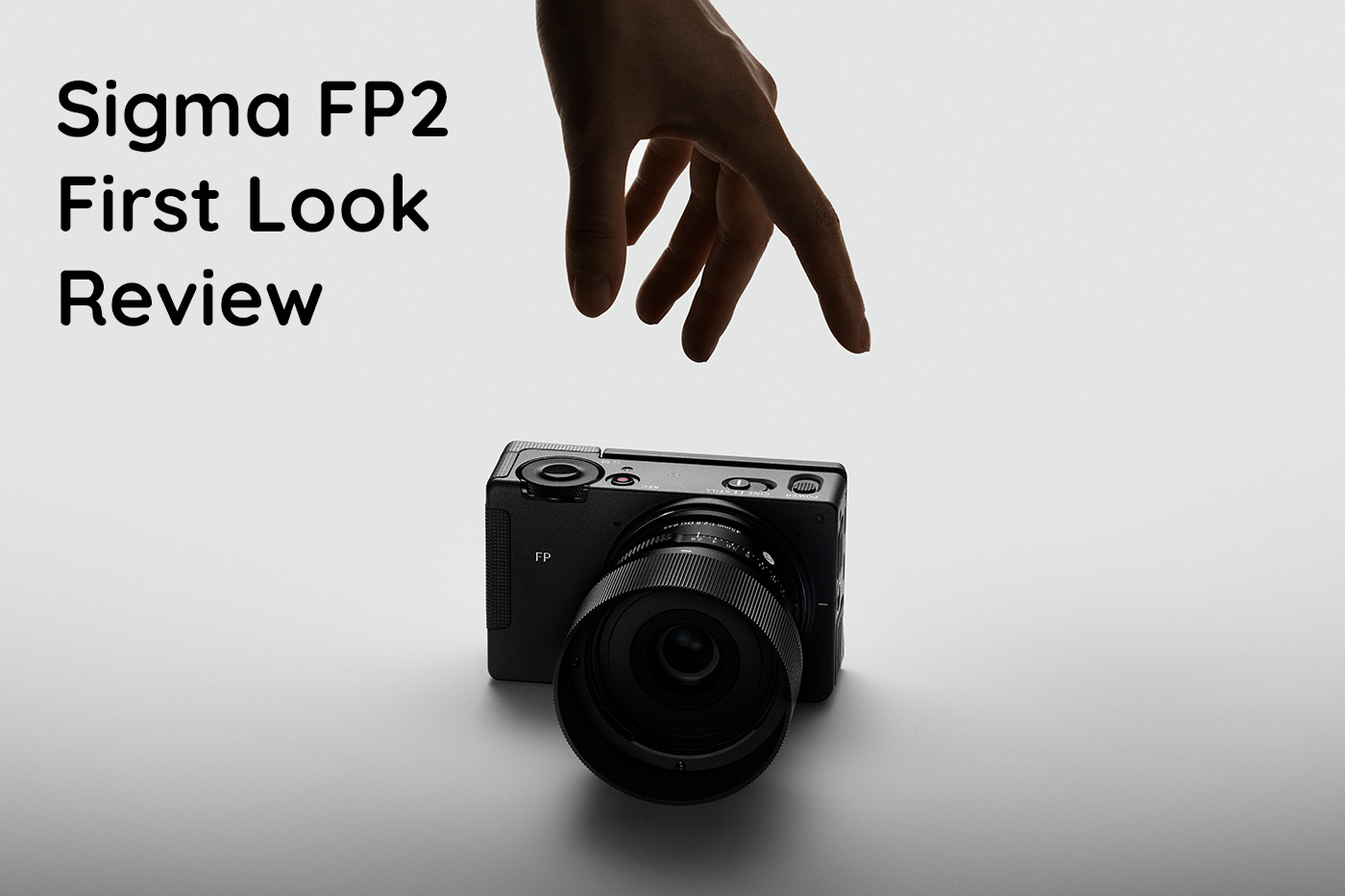
Kit Options and Price
A body-only and two kits have been released:
- FP2 Digital Camera Body – £1,899.00
- FP2 Camera with Electronic Viewfinder EVF-21 – £2,399.00
- FP2 Camera with 50mm F2 DG Lens Kit – £2,419.00
The EVF-21 is also available as a standalone accessory priced at £629.00, along with a Hot Shoe Unit HU-21 for £149.00. These could prove invaluable, but more on those later. First, what is it?
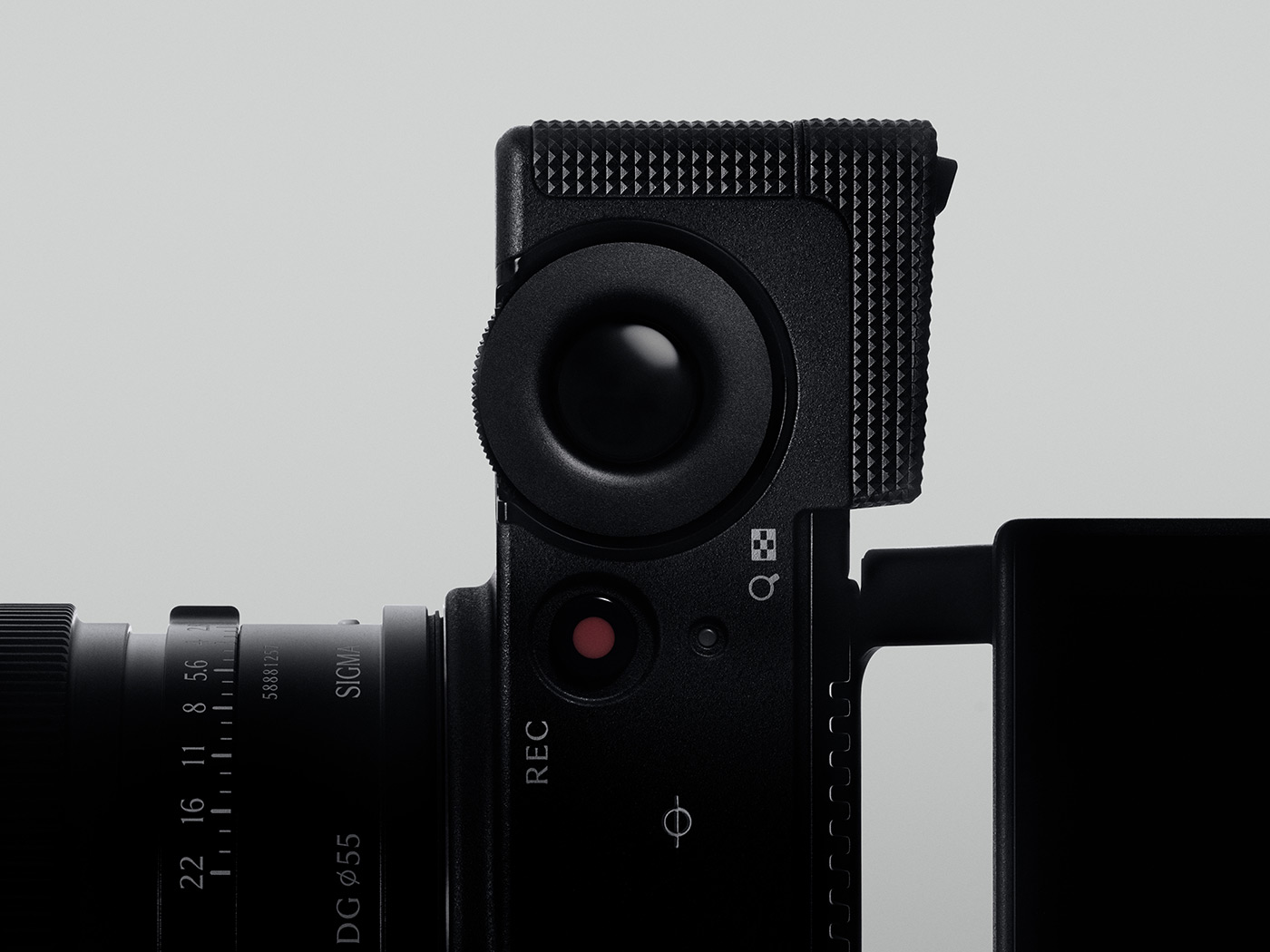
What is the FP2?
There have been two previous iterations of the fp-series, which is now capitalised. Impressively, it has remained the world’s smallest full-frame interchangeable-lens camera since the first generation launched in 2019.
A lot has changed since then, and this tiny L-Mount body boasts cutting-edge features that place it among the most accomplished hybrid models available in 2026. These include a partially stacked sensor, Hybrid AF with advanced subject detection and 6K OpenGate recording.
The best way to cover it in more detail is with a specs table, which follows next.

Sample by Gareth. Settings: 1/160 sec. f/2. ISO 400
Specs comparison
The table below highlights the key upgrades and differences between the original fp, the high-resolution fp L and the newest model. Rather delightfully, the L stands for ‘Lots of megapixels’.
|
|
fp (2019) |
fp L (2021) |
FP2 (2026) |
|
Sensor |
24.6MP BSI CMOS |
61MP BSI CMOS |
24.5MP partially stacked CMOS |
|
Sensor format |
Full-frame |
Full-frame |
Full-frame |
|
Lens mount |
L-Mount |
L-Mount |
L-Mount |
|
Autofocus |
Contrast detection |
Hybrid phase and contrast |
Hybrid phase and contrast |
|
Subject detection |
Face and Eye AF |
Face and Eye AF |
People, dogs, cats and birds |
|
Continuous shooting |
Up to 18 fps |
Up to 10 fps |
Up to 20 fps |
|
Shutter |
Electronic |
Electronic |
Electronic |
|
Maximum shutter speed |
1/8,000 sec. |
1/8,000 sec. |
1/25,600 sec. |
|
Maximum video resolution |
UHD 4K/29.97p |
UHD 4K/29.97p |
6K OpenGate/59.94p |
|
High-frame-rate video |
Full HD/119.88p |
Full HD/119.88p |
4K/119.88p (crop) |
|
RAW video |
12-bit CinemaDNG |
12-bit CinemaDNG |
12-bit ProRes RAW and RAW HQ |
|
Log recording |
NA |
NA |
L-Log |
|
Dynamic range |
12.5 stops |
13 stops |
Up to 14.1 stops |
|
Image stabilisation |
Electronic (video) |
Electronic (video) |
Electronic (video) |
|
Rear screen |
3.15-inch fixed touchscreen |
3.15-inch fixed touchscreen |
3.15-inch tilting touchscreen |
|
Screen resolution |
2.1 million dots |
2.1 million dots |
2.1 million dots |
|
Electronic viewfinder |
Not built in |
Optional EVF-11 |
Optional EVF-21 |
|
Internal storage |
None |
None |
Approx. 70GB |
|
Memory cards |
SD UHS-II |
SD UHS-II |
SDXC UHS-II |
|
External SSD recording |
USB 3.0 |
USB 3.0 |
USB 3.2 |
|
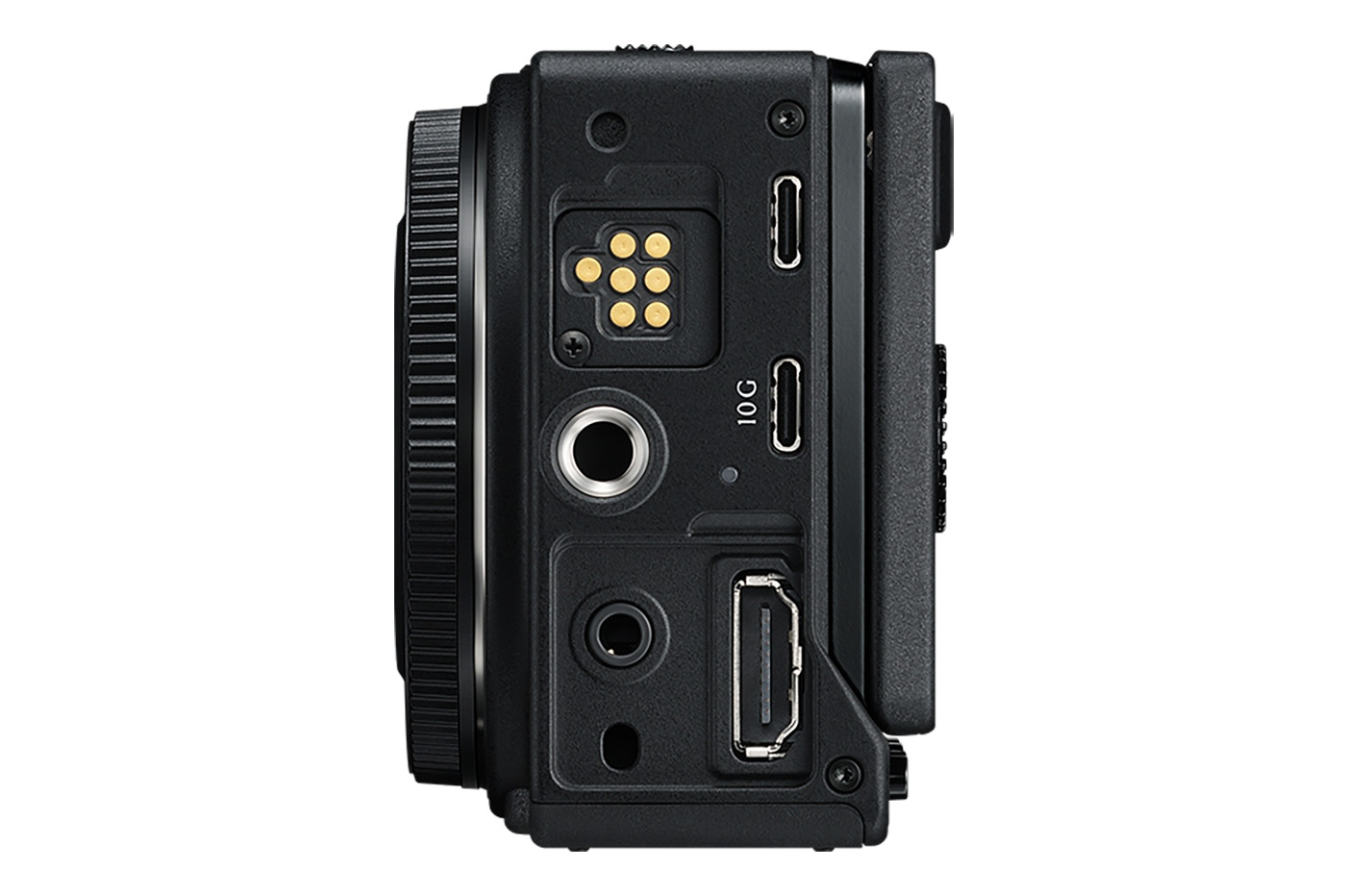
USB connectivity |
Single USB-C |
Single USB-C |
Dual USB-C |
|
HDMI |
Micro HDMI (Type D) |
Micro HDMI (Type D) |
Full-size HDMI (Type A) |
|
Battery |
BP-51 |
BP-51 |
BP-91 |
|
Battery life (stills) |
Approx. 280 shots |
Approx. 240 shots |
Approx. 370 shots |
|
Video battery life |
Approx. 70 minutes |
Approx. 60 minutes |
Approx. 130 minutes |
|
Body weight |
370g |
375g |
376g |
The latest model is a pretty significant evolution of the original, which is distinct from the resolution version. It combines faster performance, more advanced autofocus and far better filmmaking capabilities that take it well into professional filmmaking territory.
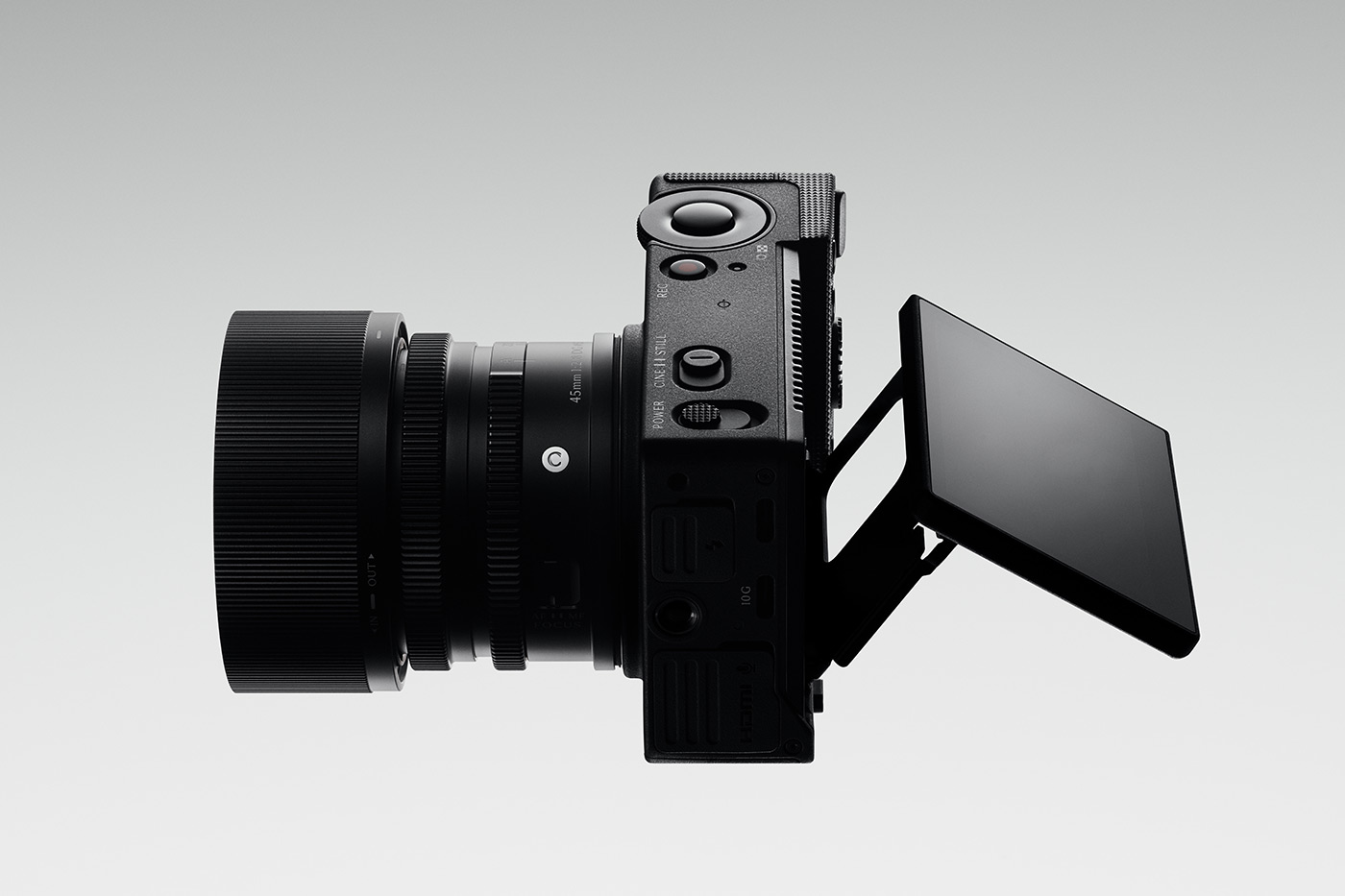
It also has a new tilting LCD screen, which is something we’re accustomed to and Gareth noted improves handling quite a bit.
Let’s dig deeper into what these mean for hybrid creators, so we can see whether this is for you.

Sample image via Sigma with 24-70mm F2.8 DG DN II Art @57mm. Settings: 1/120 sec. f/3.5. ISO 800
What are the Best Features for Photography?
The headline is a partially stacked CMOS sensor, which facilitates high-speed burst shooting at up to 20 fps, and that is more than possible thanks to 70GB of on-board storage.
Improved subject recognition with tracking for people, dogs, cats and birds also opens up new creative possibilities, allowing you to capture a wider variety of subjects.

Sample by Gareth. Settings: 1/320 sec. f/2. ISO 4000
It also has some nice multi-shot features including focus bracketing for greater depth of field, exposure bracketing for HDR photography and interval shooting with time-lapse movie creation. Notably, there are also 13 colour modes accessible by a body button, providing the opportunity to experiment with different looks straight from the camera.
It is also, of course, small, lightweight and easy to carry, so you’re more likely to have it with you when inspiration strikes. That’s especially true when paired with a lightweight Sigma lens, of which there are plenty to choose from.
Is it good for Video creation?
The company is stressing how this can be used for cinematic video, and looking at its capabilities, it’s hard to disagree. Filmmaking is probably where the impact of the new faster sensor is most prominent.
To begin with, it records 6K OpenGate at up to 60 fps, allowing for considerable time savings when recording for multiple formats. It also supports 4K at up to 120 fps in crop mode, opening up creative slow-motion possibilities.
When recording to an SSD, you can capture 12-bit ProRes RAW and ProRes RAW HQ at up to 6K/30p, which is truly impressive considering the size. It even records up to 14.1 stops of dynamic range in L-Log, while 32-bit float audio recording is supported through the optional HU-21and Panasonic audio accessories.
The colour modes work with video too, so your stills and movies can all carry a signature look, while a dedicated STILL/CINE switch changes the interface instantly. You also get a host of monitoring tools such as waveforms, zebras and false colour. Unusually, it also includes Director’s Viewfinder, which can simulate the framing of cameras used in high-end film and television production.
For example, if you’re planning a production with an ARRI ALEXA 35, you could use the FP2 to scout locations, experiment with compositions and assess which focal lengths might work before bringing in big, expensive cinema equipment. Nice.
It supports systems including:
- ARRI: ALEXA 35, ALEXA Mini, ALEXA LF and others.
- Sony: VENICE, VENICE 2 and BURANO.
- RED: Selected cinema systems.
- Anamorphic lenses: A desqueeze display mode previews footage with the correct proportions.
This is a really unique capability that might well elevate it straight into the director’s pocket.
What’s it like to use?
Gareth was impressed by how closely this generation resembles the original, particularly as it is almost identical in size despite the addition of a tilting screen. That screen is a significant improvement, making it easier to compose shots from different angles.
The 70GB of internal storage is another welcome addition, providing space to shoot without immediately needing an SD card. Overall, it’s a familiar design with some very worthwhile quality-of-life improvements, which add up to a better all-round user experience.
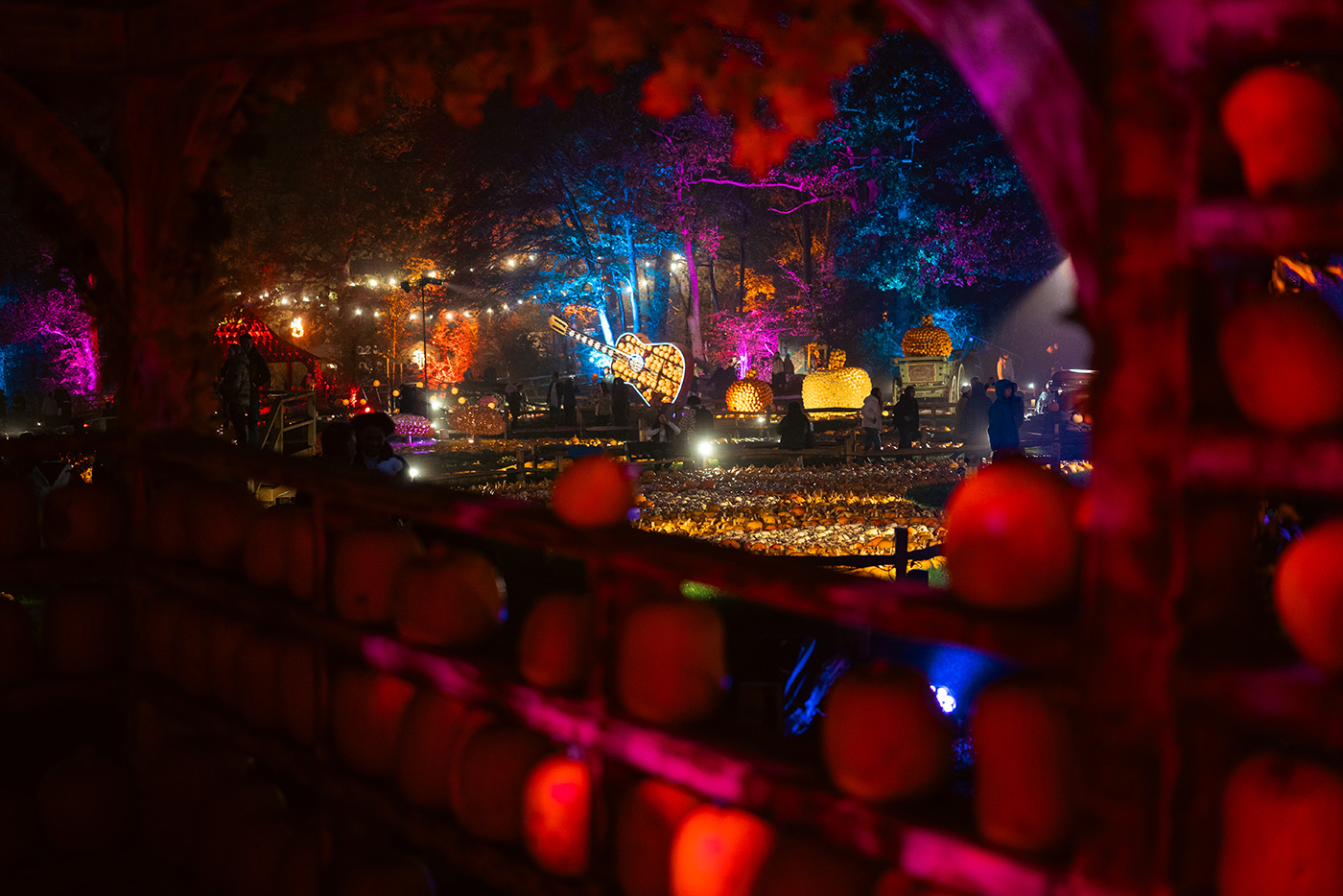
Sample by Gareth. Settings: 1/160 sec. f/2. ISO 5000
What are the best accessories?
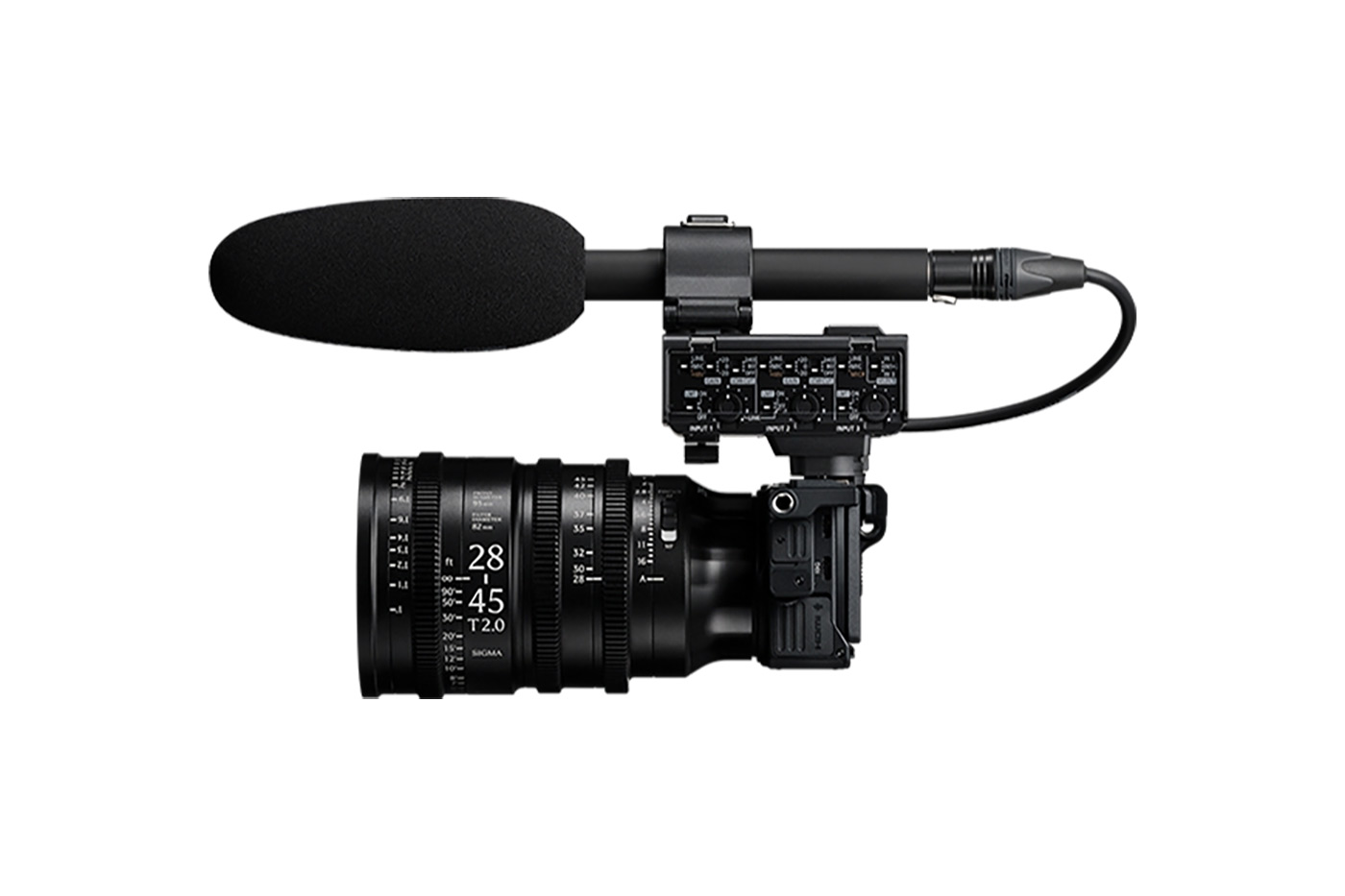
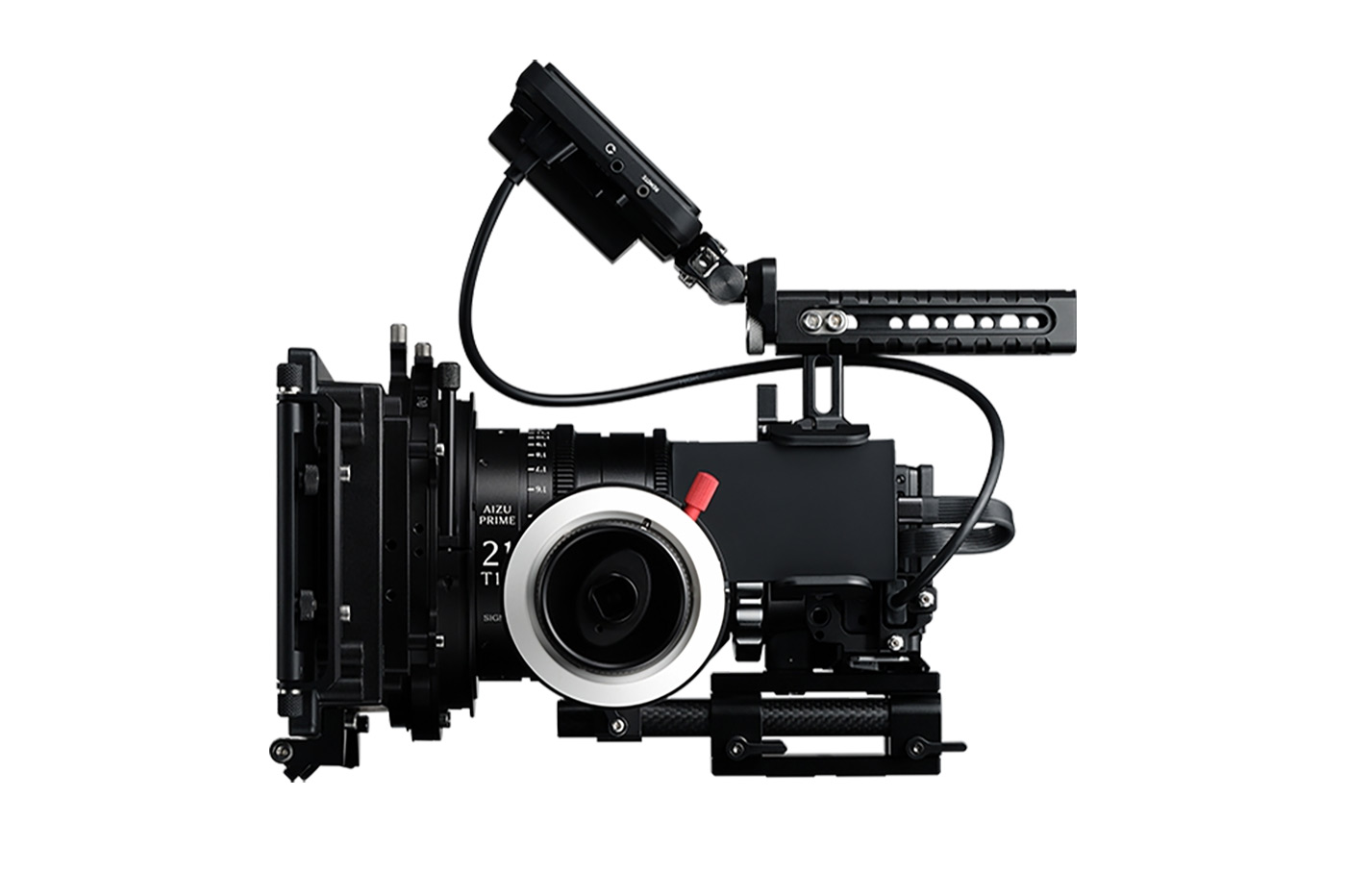
The modular approach is one of this model’s strengths. It can go from the world’s smallest full-frame camera to a fully fledged cinema body in minutes. Dedicated accessories include:
- Electronic Viewfinder EVF-21. In my opinion, this is the most valuable of the lot. It is a 5.76-million-dot OLED viewfinder with 0.88x magnification and a 90° tilting mechanism, offering a more traditional shooting experience that is fully immersive for both stills and moviemaking.
- The Hot Shoe Unit HU-21 adds flash compatibility and supports audio accessories, including the Panasonic DMW-XLR2 XLR microphone adaptor and DMW-DMS1 digital shotgun microphone. These provide support for pro-level 32-bit float audio.
- The LCD Viewfinder LVF-21 attaches over the rear screen, blocking stray light and providing 2.5x magnification for checking focus and composition.
- The Base Plate BPL-21 supports the LCD Viewfinder and provides a 3/8-inch mounting point for video accessories.
- The Battery Charger BC-91 is for the new high-capacity BP-91 battery, which captures approximately 370 shots and takes around 175 minutes to charge.
- Lastly, the DC Connector CN-91 allows the use of an external power supply for longer shooting sessions.
Thanks to standard 1/4-inch mounting points on the body there’s also plenty of scope for other accessories.
Who is it for?
This may appeal to a relatively niche audience, but that would be doing it an injustice.
The FP2 is certainly discreet, and would make a brilliant camera for street photography, travel and everyday snaps. Faster autofocus and continuous shooting make it more versatile than its predecessors, so you can capture the kids at play, pets and sporting events.
Hybrid creators and filmmakers have plenty of reasons to get on board, especially solo creators, documentary makers and small teams. The size, professional recording formats and modularity make it viable as a main rig or as a second body for productions, particularly with the novel Director’s Viewfinder feature.

Sample by Gareth. Settings: 1/80 sec. f/2. ISO 3200
The versatility extends to the huge selection of excellent L-Mount lenses from Sigma, Leica and Panasonic, as well as newcomers to the Alliance. Options cover everything from compact primes and lightweight everyday zooms to specialist cinema-oriented optics. These include unified lens series with consistent size, weight and handling, along with video-friendly features such as smooth manual focus control and reduced focus breathing.
What’s more, a 50mm F1.4 CL DG Contemporary L-Mount lens is in development, highlighting just how far the company is pushing new technology. It features a new focusing system, metal construction and characterful background rendering, all in a similarly compact design.
If you can dream it, you can make it with the FP2!
Trust Sigma to throw out the rulebook yet again. Not only is it incredibly portable, it is so richly featured that you simply have to get your hands on one and try it for yourself. Whether you primarily shoot photos or video, there’s something for everyone here, and certainly more than enough reason to upgrade from mark 1.
For many, it will be quite a new experience to shoot with a system that is so versatile and remarkably small, yet expands so easily.
Get your hands on the Sigma FP2 today and see what it can do for your content creation.
Share this post:
By NIck Dautlich on 23/10/2026
Trade in your old equipment
Fast and easy trade in service ensures your old gear is collected efficiently and you are paid quickly! It's very simple to trade in your unwanted photography gear. Just head over to our dedicated Sell or Part Exchange page, fill out the details, and we'll get back to you with an offer for your old gear. Take the cash, or put it towards the cost of your new gear. It's up to you! Find out more
sign up to the newsletter
Keep up to date on the latest photography news, events and offers. Sign up now