- Call us 01444 237070

-
- Back
- Used Cameras
- Used Accessories
- Used Lenses
- Back
- Used Canon Lenses
- Used Nikon Lenses
- Used Fujifilm Lenses
- Used Sony Lenses
- Used Micro 4/3rds Lenses
- Used Leica Lenses
- Used Panasonic Lenses
- Used Pentax Lenses
- Used Samyang Lenses
- Used Sigma Lenses
- Used Tamron Lenses
- Used Tokina Lenses
- Used Voigtlander Lenses
- Used Zeiss Lenses
- Used Hasselblad Lenses
- Used Video
- Used Film Equipment
- Used Stock Alert
- Used Blank Test
- Sell or Part Exchange
- Used Clearance
- Recently Added Used Equipment
- Park Picks
- Faulty
- Trade-In
- Blog
- New in
- Call us
- Contact us
- Stores
- Sign in
product
ZWO-1
Call us: 01444 237070
Search terms
Brands
Category
Products
[[{name}]]
[[{attributes.Price}]]
- Categories
- Tips & Inspiration
- Reviews
- News
- Events
- Features
- Buying Guides
- Competitions
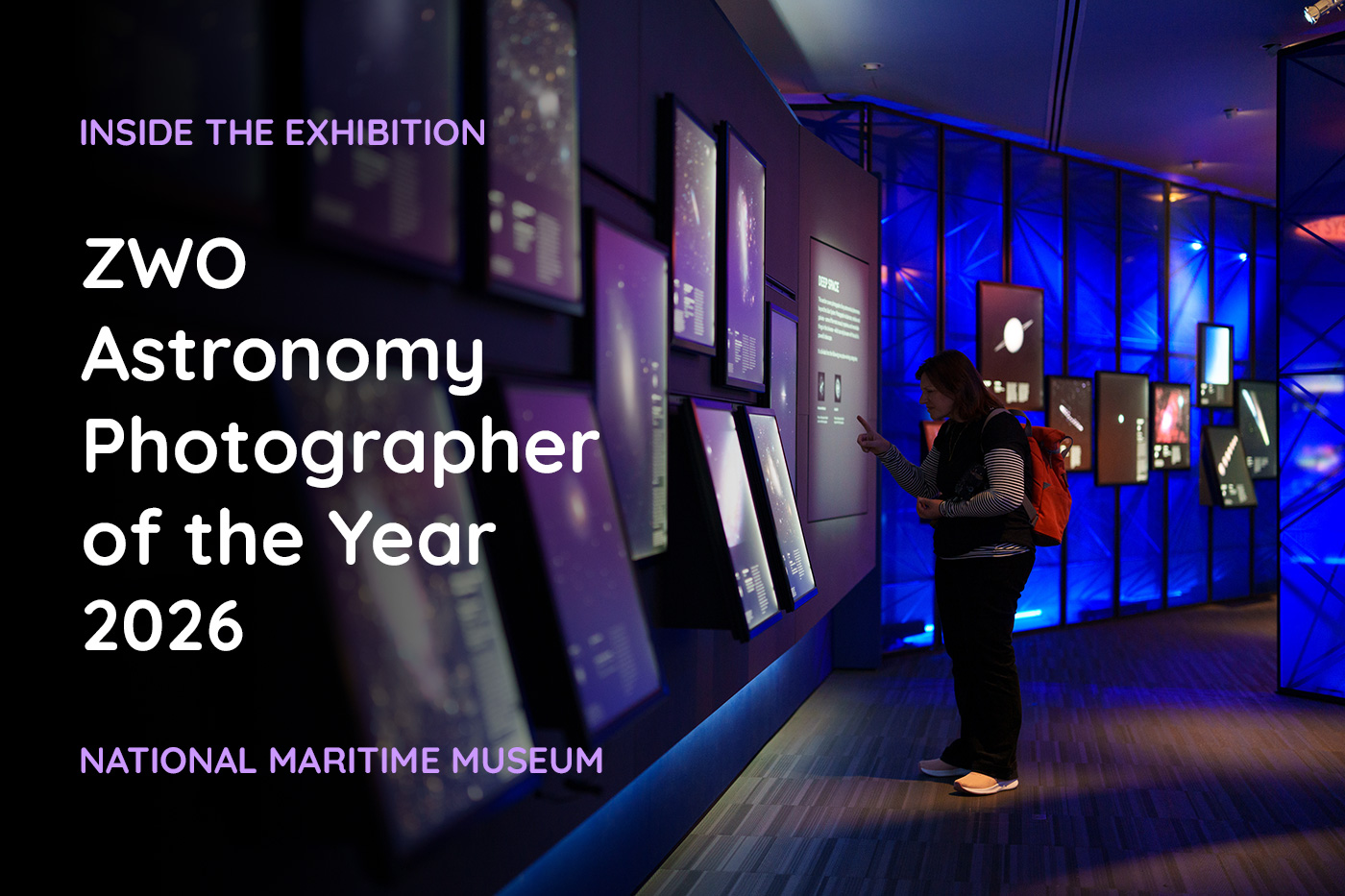
Inside the ZWO Astronomy Photographer of the Year 2026 Exhibition
Seeing the work of our resident astrophotographer Jonathan Penberthy is what first inspired me to visit the ZWO Astronomy Photographer of the Year 2026 exhibition. It runs until 31 July 2027 at the National Maritime Museum, just down the hill from the Royal Observatory in Greenwich.
Aside from snapping a few shots of the night sky while making camera reviews, I’ve never attempted anything close to serious astrophotography. Having admired Jonathan’s images and read his blog posts, it’s clear that space photography demands technical skill, patience, and a lot of dedication.
With that in mind, I headed up to London to see the 100 shortlisted and winning photos in this year’s exhibition. Run by Royal Observatory Greenwich and sponsored by astronomical imaging manufacturer ZWO in association with BBC Sky at Night Magazine, it is the largest astrophotography showcase in the world.
Here is what to expect if you are thinking of visiting this inspiring London photography exhibition for yourself.
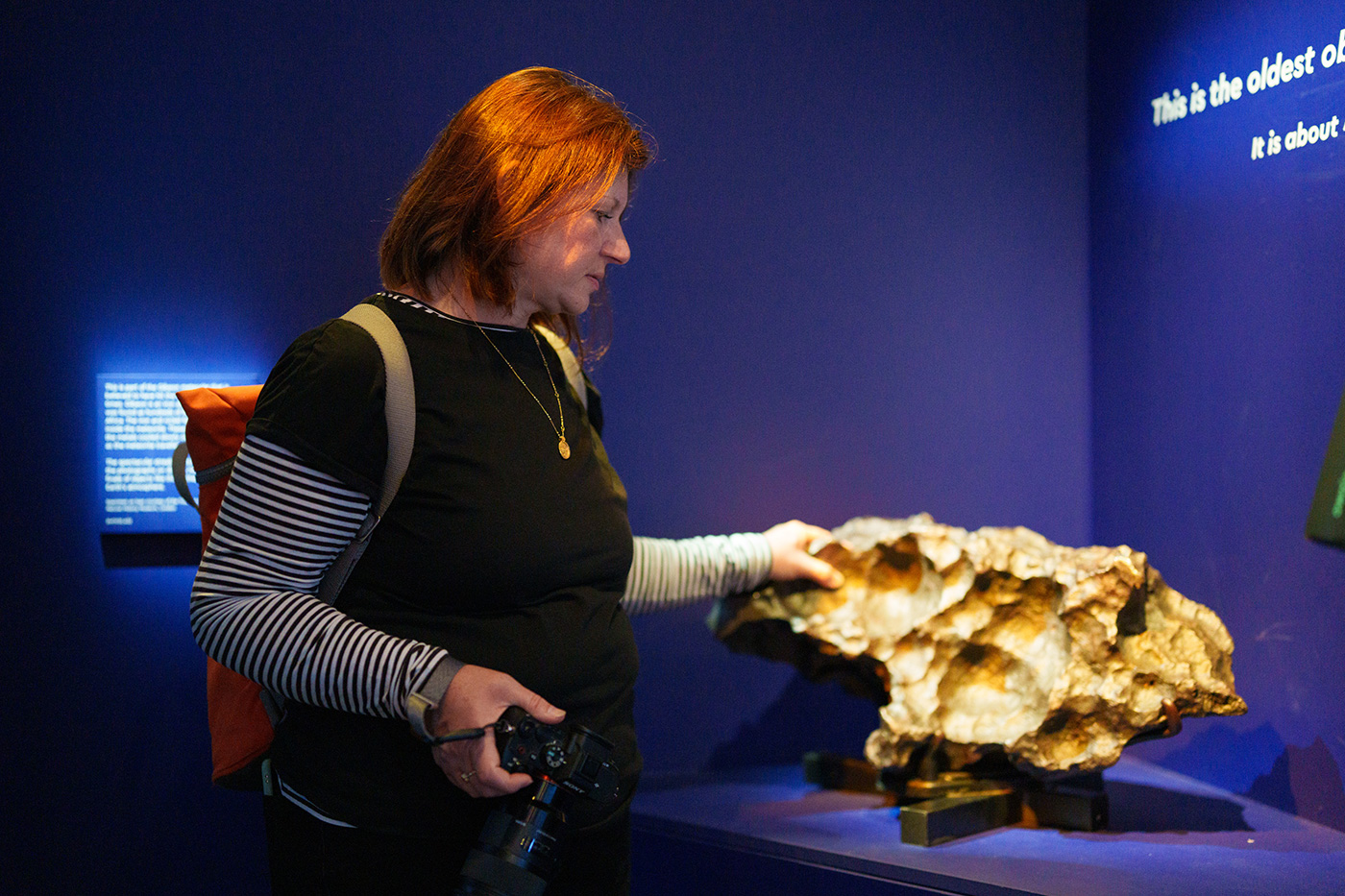
Visitor examining the Gibeon Meteorite.
Exhibition Details
- Dates: Runs until 31 July 2027.
- Hours: Daily, 10:00 AM – 5:00 PM.
- Tickets: Adults £12, Students £9, Children £6 (Members go free, though advance booking is still required).
- Location: Photography Gallery, National Maritime Museum, Greenwich, London.
- Getting There: Accessible via DLR (Cutty Sark), Jubilee Line (North Greenwich plus a short bus ride), local buses, or National Rail to Maze Hill (0.4 miles) and Greenwich Station (0.6 miles).
- Booking: Book tickets directly via Royal Museums Greenwich.
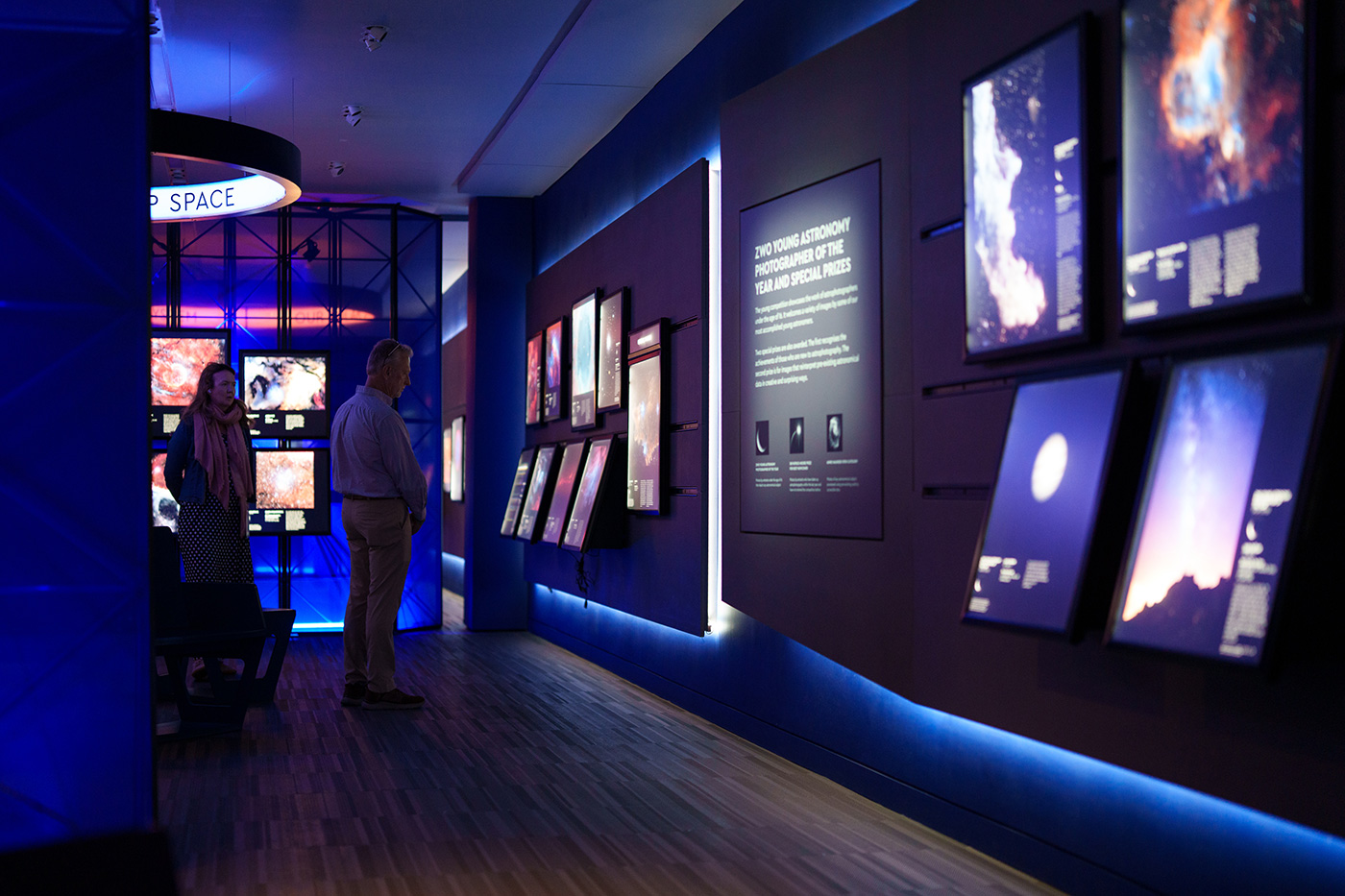
Exploring illuminated displays.
What the Exhibition is Like
I had no idea what to expect, but was filled with anticipation at the prospect of seeing real images taken by real people.
Before you even step into the main gallery space, a 4.5-billion-year-old Gibeon Meteorite immediately grabs your attention. Being this close to a large hunk of iron that was formed around the same time as our Sun is humbling and really quite awe-inspiring.
The meteorite sets the stage brilliantly for what lies ahead. Inside, the gallery space is extremely dark with atmospheric lighting, and all 100 photographs are displayed on backlit lightboxes. Their scale and bright glow draw you to them, much like our eyes are drawn to stars and constellations in the night sky. That was really very clever, and creates an atmosphere that is quiet, immersive, with an almost surreal vibe.
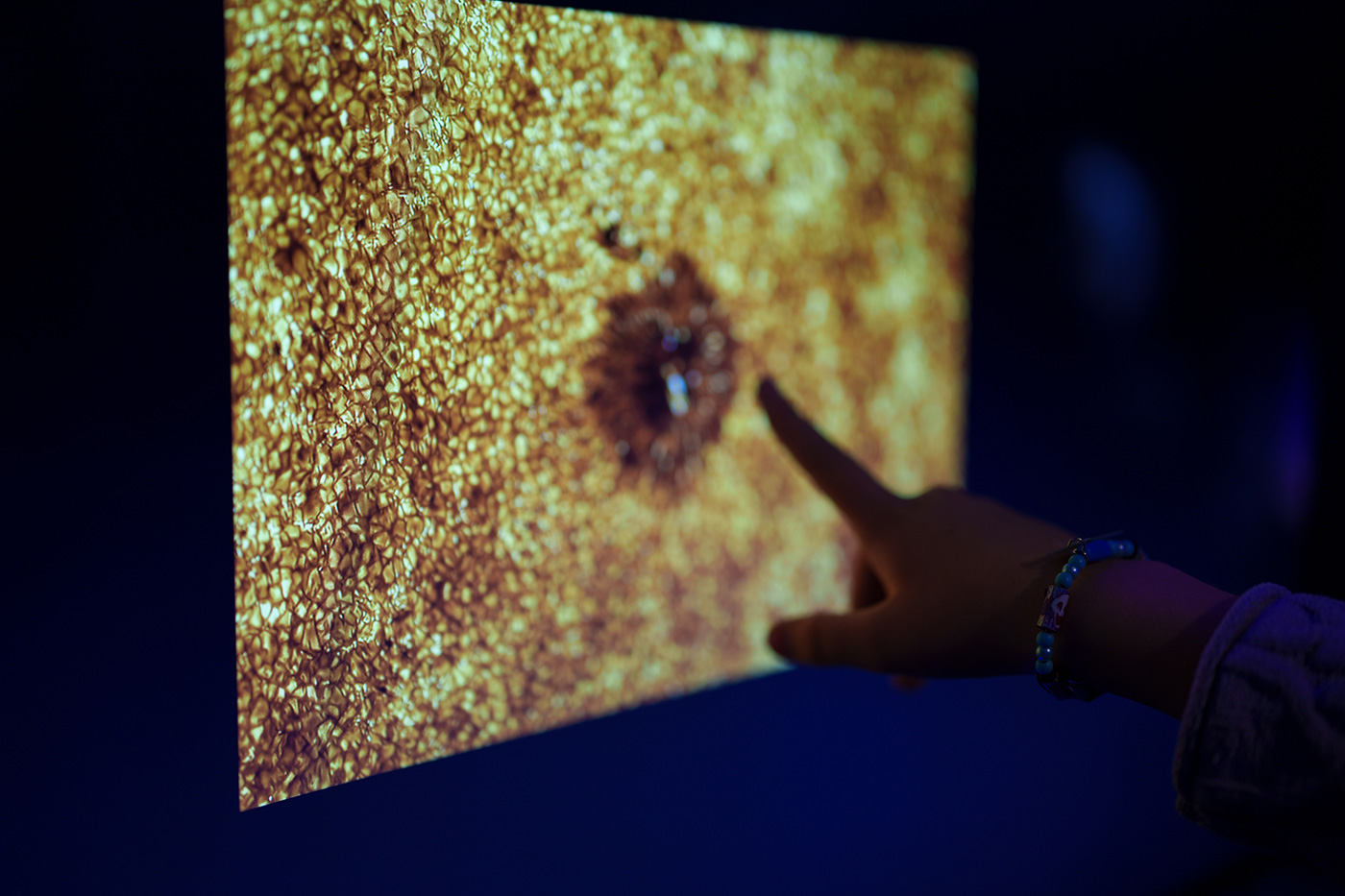
Pointing at a close-up image of the sun.
The Photography on Display
Photos are categorised and you navigate through the first room with stunning images of aurora, nightscapes and images of galaxies, to shots of the sun and moon like I’d never seen before.
There’s something for everyone, whether you want to see incredible details of cells on the Sun’s surface, expansive landscapes or staggering shots of stars and nebulae. Some are taken with regular camera equipment, while others required advanced telescopes and mounts.
Each includes technical details and explanatory captions so you can take your own deep dive into what inspired the photographer and how they created the final result. For example, the winning image required 336 separate five-minute exposures, adding up to 28 hours of total exposure time!
I especially enjoyed entries in the People and Space category, Sir Patrick Moore Prize for Best Newcomer and the Annie Maunder Open Category for experimental entries, with some really creative shots.
There are also videos to watch, providing a deeper insight into some of the award-winning photography, including image compositing and other inspiration.

Inspiration for visitors of all ages.
At a time when photography is shifting between the real and the artificial, this exhibition highlights the often surreal connection between us and space, and the skill it takes to capture it.
This is a moment in history to ask what makes a photograph feel true. For me, the answer lies in visiting exhibitions like this one and discovering how other photographers see the world, and indeed what lies beyond it.
Next up is a snapshot of some of the awe-inspiring featured images. Perhaps they'll inspire you to become a future Astronomy Photographer of the Year.
Original exhibition photography © Nick Dautlich 2026. All rights reserved.
The following photographs are supplied courtesy of Royal Museums Greenwich. Copyright remains with the individual photographers, who are credited below.
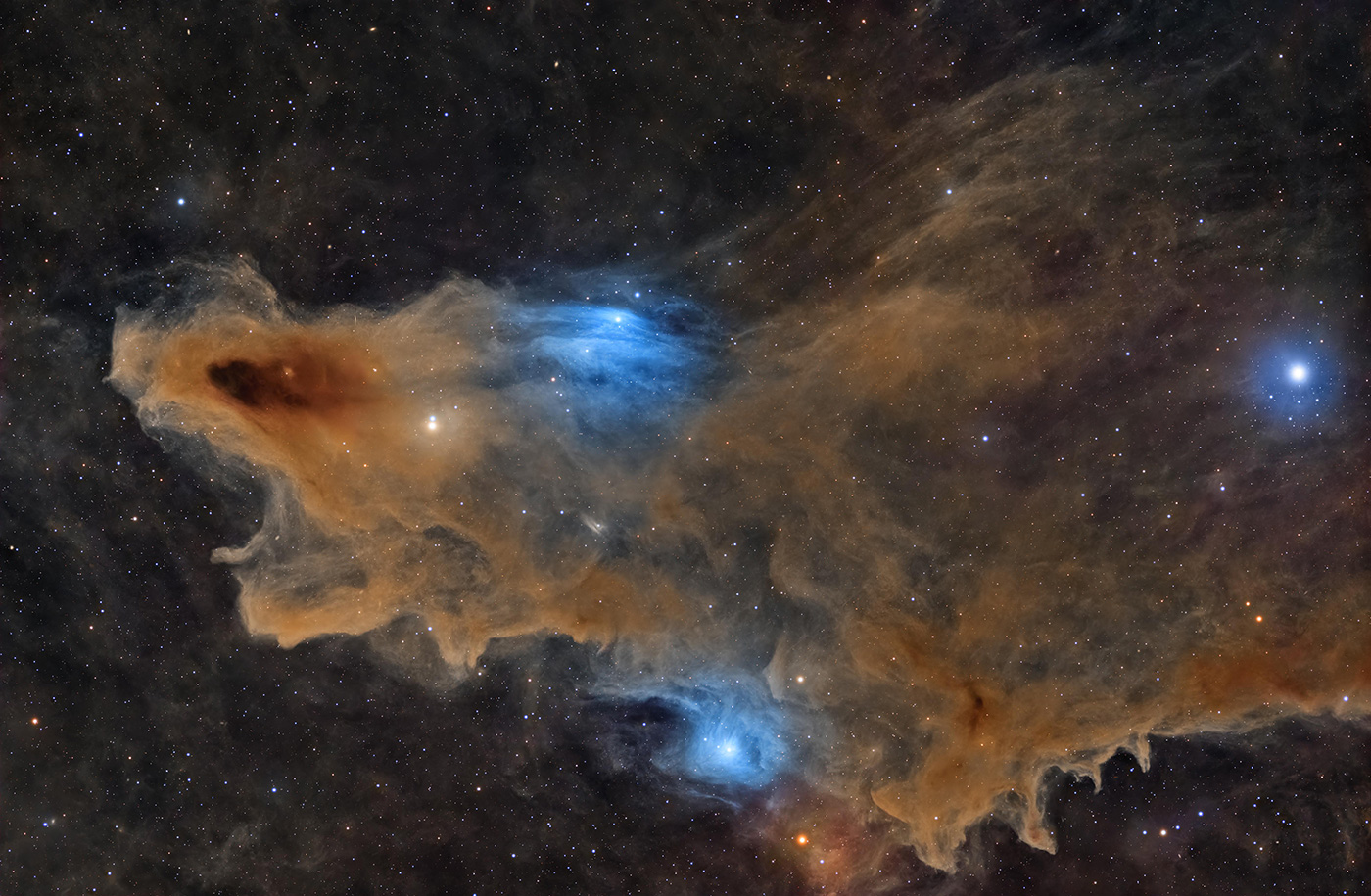
Overall winner
The Quiet Predator © Ali Alobaidly (Kuwait)
The Shark Nebula (LDN 1235) is 650 light years away in the constellation Cepheus. A dark nebula, it is made from interstellar dust dense enough to block starlight. The blue-coloured areas are reflection nebulae.
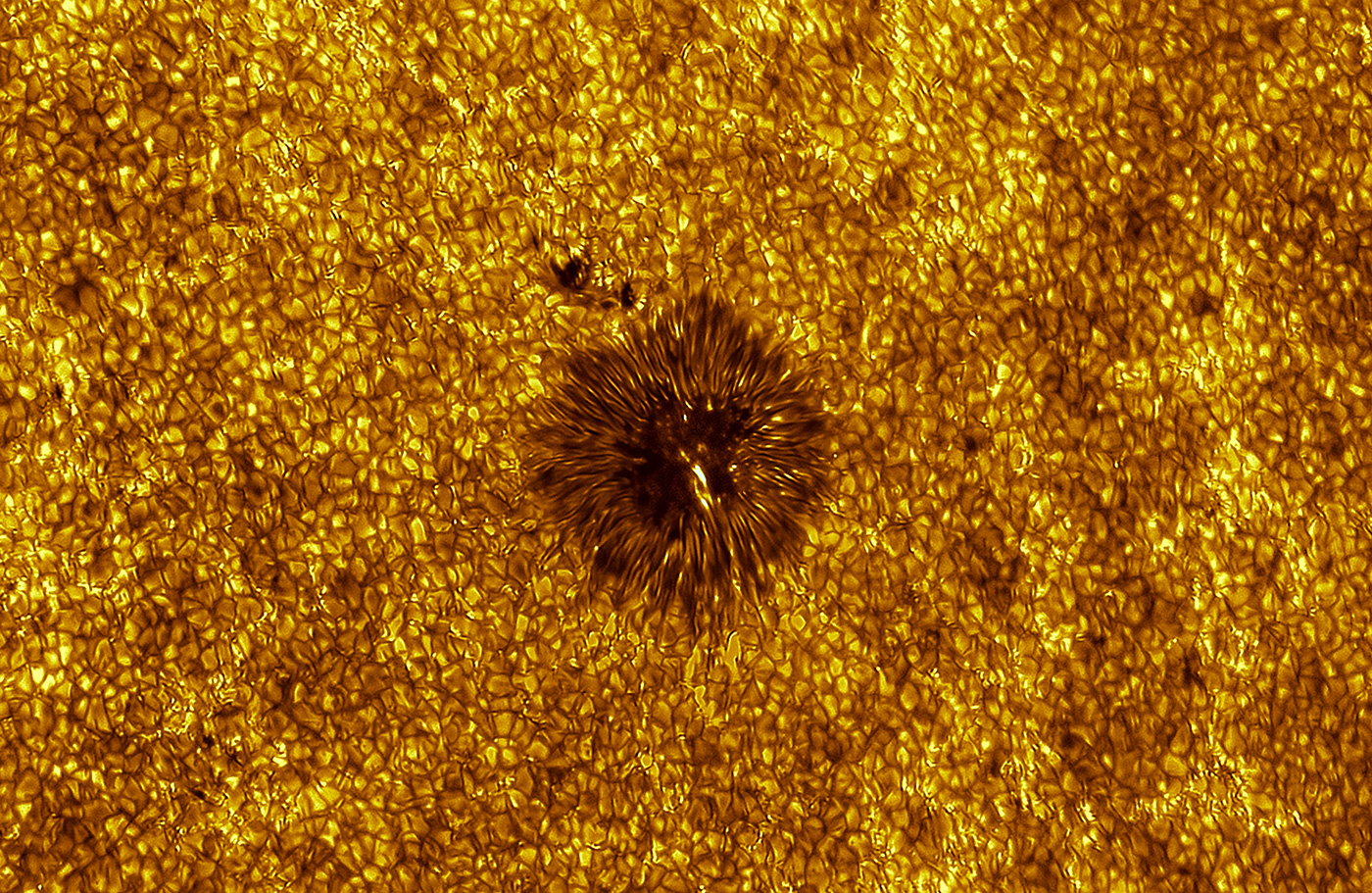
Winner
Active Region 4122 © Miguel Claro (Portugal)
This image was captured with a new dual-band telescope to try to reveal a greater level of detail in the Sun’s photosphere [visible layer].
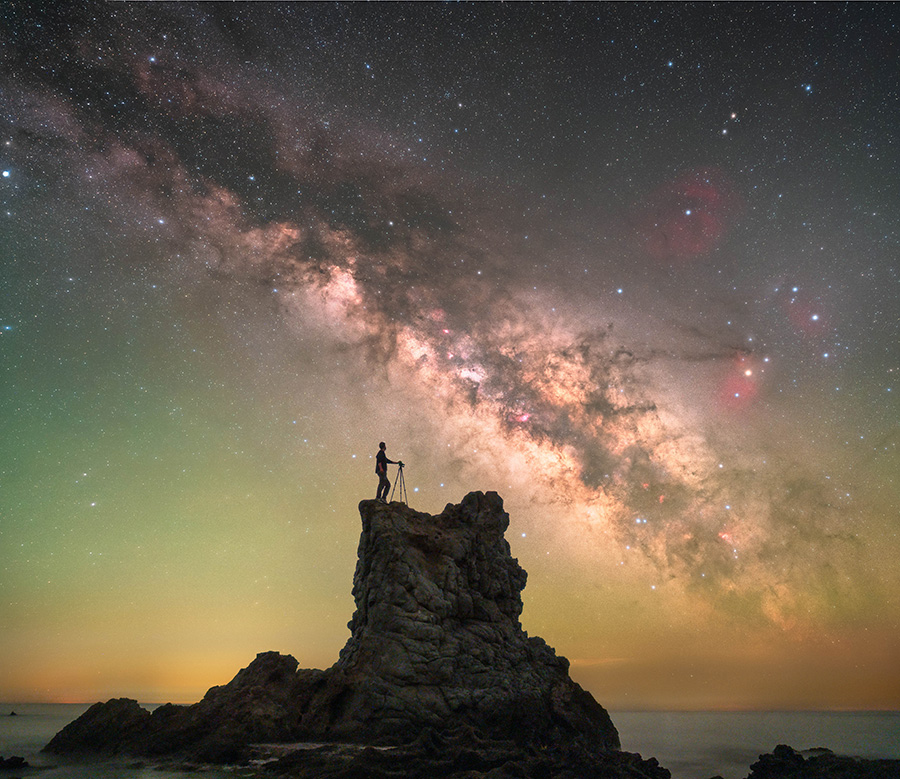
Runner-up
Capture the Night © Dan Zafra (Spain)
The volcanic shoreline of Cabo de Gata-Níjar Natural Park, Spain is a rare refuge from light pollution, a hidden gem where true darkness still survives.
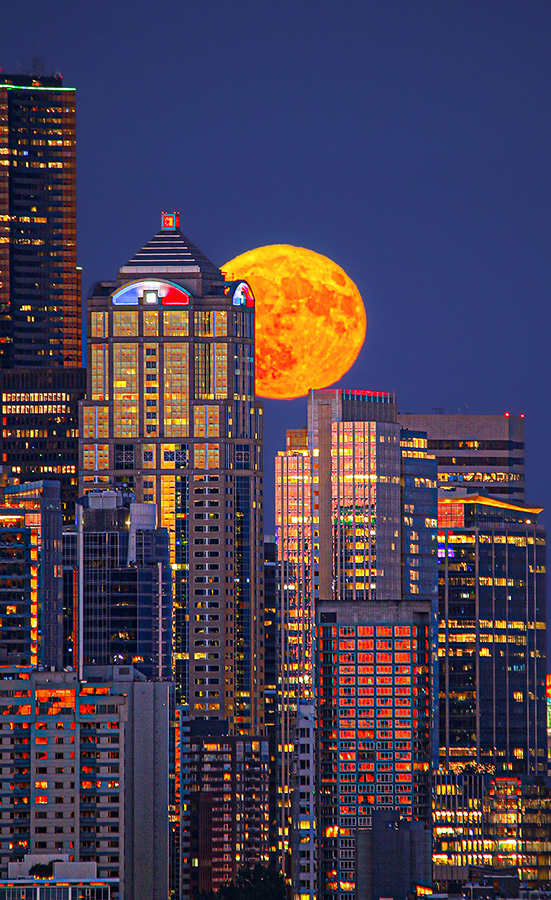
Highly commended
Golden Moonrise Over Seattle © AJ Smadi (USA)
This picture reveals the city of Seattle, illuminated at twilight during a summer sunset.
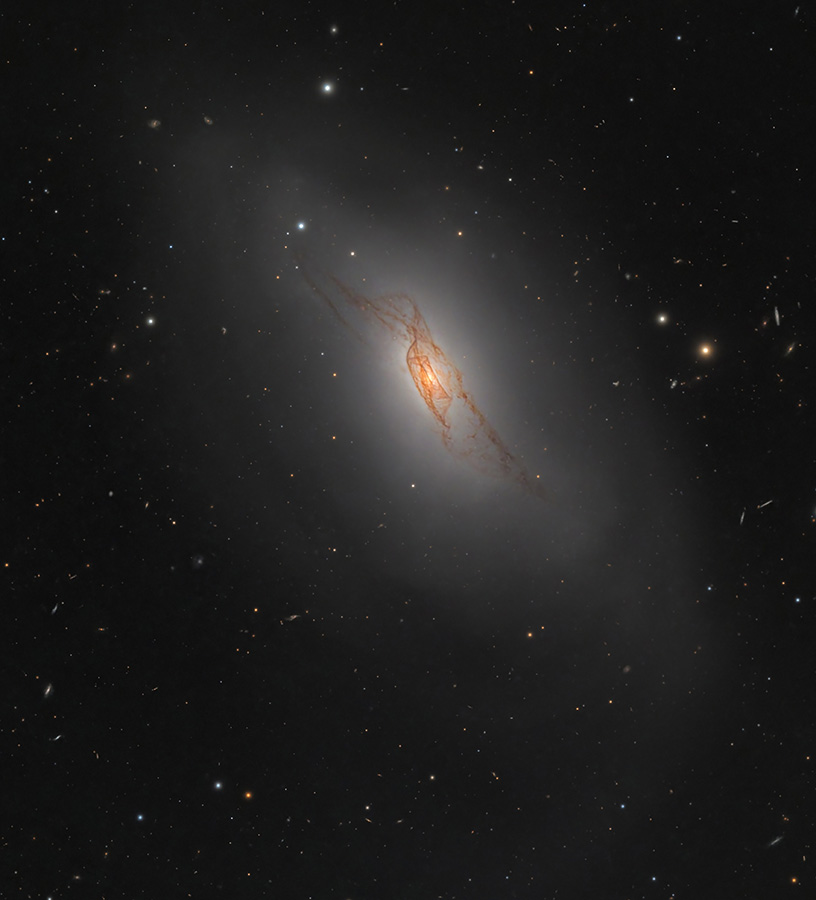
Winner
NGC 4753: A Symphony of Dust Lanes in Virgo © 智鹏 严and Xinran Li (China)
This deep-sky image reveals a complex lenticular galaxy approximately 60 million light years away in the constellation Virgo.
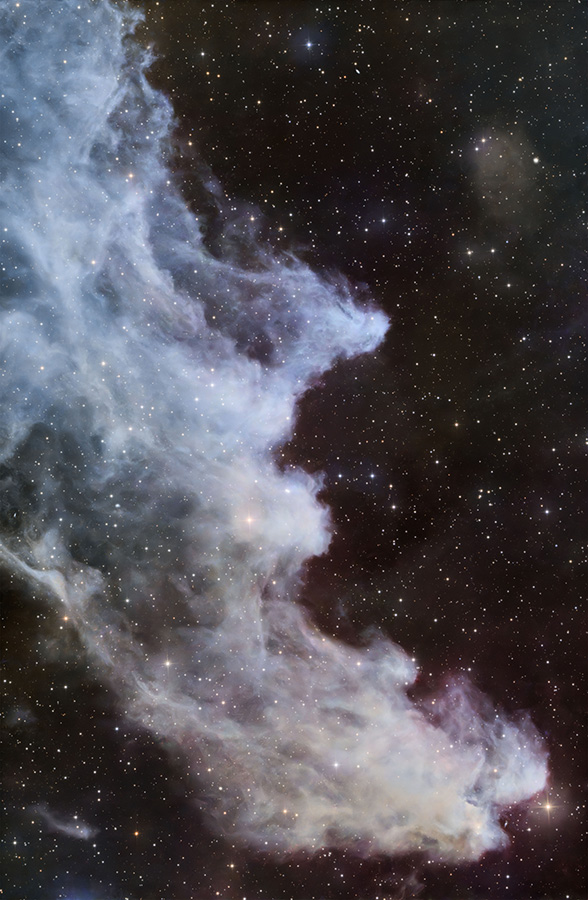
Highly commended
Celestial Enchantress © 与晨 林 (China), aged 14
This deep-space image of the Witch Head Nebula (IC 2118) reveals ethereal blue clouds of gas and dust that form the mysterious silhouette of a celestial sorceress.
Share this post:
By Nick Dautlich on 12/11/2026

Nick Dautlich
Senior Content Writer and Product Reviewer
Nick Dautlich is the Senior Content Writer and Product Reviewer at Park Cameras, with over 15 years of photography experience. A Sony Imaging Professional and expert reviewer, Nick has worked with major brands such as Canon, Sony and Nikon. His work is also featured on Vanguard World UK’s website, Capture Landscapes, and Shutter Evolve. Nick’s photography includes National Trust projects and magazine covers and he is passionate about landscapes and storytelling. Nick also enjoys hiking and teaching his children about nature. Learn more on his profile page.
Trade in your old equipment
Fast and easy trade in service ensures your old gear is collected efficiently and you are paid quickly! It's very simple to trade in your unwanted photography gear. Just head over to our dedicated Sell or Part Exchange page, fill out the details, and we'll get back to you with an offer for your old gear. Take the cash, or put it towards the cost of your new gear. It's up to you! Find out more
sign up to the newsletter
Keep up to date on the latest photography news, events and offers. Sign up now