- Call us 01444 237070

-
- Back
- Used Cameras
- Used Accessories
- Used Lenses
- Back
- Used Canon Lenses
- Used Nikon Lenses
- Used Fujifilm Lenses
- Used Sony Lenses
- Used Micro 4/3rds Lenses
- Used Leica Lenses
- Used Panasonic Lenses
- Used Pentax Lenses
- Used Samyang Lenses
- Used Sigma Lenses
- Used Tamron Lenses
- Used Tokina Lenses
- Used Voigtlander Lenses
- Used Zeiss Lenses
- Used Hasselblad Lenses
- Used Video
- Used Film Equipment
- Used Stock Alert
- Used Blank Test
- Sell or Part Exchange
- Used Clearance
- Recently Added Used Equipment
- Park Picks
- Faulty
- Trade-In
- Blog
- New in
- Call us
- Contact us
- Stores
- Sign in
- Categories
- Tips & Inspiration
- Reviews
- News
- Events
- Features
- Buying Guides
- Competitions
Tamron 35-100mm f/2.8 Di III VXD Lens Review
Having made a comprehensive Tamron 35-100mm Vs 35-150mm comparison at launch, I was excited to find out how the new smaller, lighter, shorter zoom performs for real-world shooting.
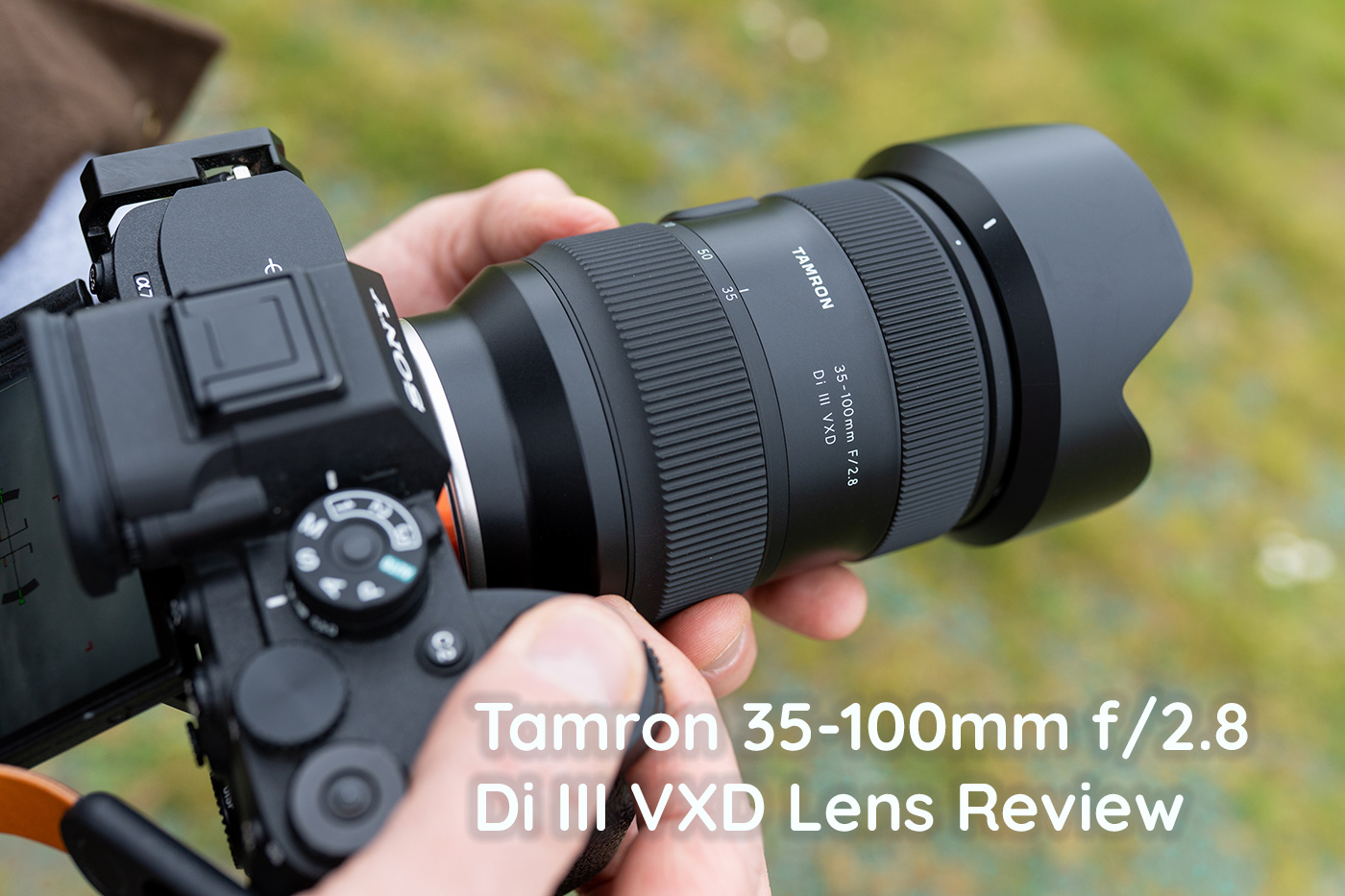
An Easter staycation provided the perfect opportunity to put together a hands-on Tamron 35-100mm f/2.8 Di III VXD lens review, exploring candid portraits, street photography and everyday photography with this zoom.
With it mounted on an A7R V, I headed off to Somerset with the family and tried to capture more portraits than I typically would. I also used the 35-100mm f/2.8 Di III VXD as an everyday walk-around option for snapshots, which the zoom range suits perfectly.
As the previous comparison article covers specs, pricing and a head-to-head, this focuses on handling, usability and image quality, to help you decide whether it is the best choice for your style of shooting.
With that in mind, let's begin with a quick overview of the brand.

Sample 01 @35 mm. Settings: f/2.8. 1/125 sec. ISO 2,500
Who is the Tamron lens company?
Tamron is an award-winning Japanese company that specialises in optics. With over 75 years of experience manufacturing photographic lenses as well as commercial optical products, they are well known for producing unique, often affordable alternatives to camera manufacturers' own offerings.
Popular models include the 17-70mm f/2.8, an APS-C option available for Fujifilm X and Sony E mounts, and the 28-75mm f/2.8, which has been developed across various mounts and generations. Both offer slightly unconventional zoom ranges, a fast constant aperture and high image quality at an accessible price point.

Sample 02 @100 mm. Settings: f/4. 1/500 ISO 250
The wide selection of Z mount lenses are also worth noting, as the brand was early adopters of the Nikon mirrorless mount. The Nikon Z 70-180mm F/2.8 lens review highlights a good example of a successful design released as Nikkor.
I was fortunate to previously put together a 90mm F/2.8 Di III Macro VXD review. That really impressed with its natural rendering, stunning sharpness and accurate colours, so I was keen to see how this all-new portrait zoom would compare.
So let's begin with design and handling.

Sample 03 @96 mm. Camera settings: f/2.8. 1/500 ISO 1/2,000
Design and handling
The first thing you notice when handling this is its lightweight design. At just 575g it is surprisingly portable, and measuring under 12cm long it sits perfectly on a full-frame Sony camera body like the A7R V, as it will on Nikon mirrorless cameras.
You can of course also mount it to a crop-format body, which should feel equally well balanced thanks to the compact size.
Despite the low weight, the barrel feels quite solid, with familiar 'G2' styling and a sculpted shape finished in a nicely applied black paint. I wouldn't normally comment on appearance which tends to be utilitarian, but this particular oe looks sharp. It showcases a new direction, with a design language that create a firmer, more intuitive partnership between lens and user. The new design ethos works well, and even the ring at the mount has a distinctive aesthetic that looks very high quality.
The sculpted shape provides good grip on the barrel, with the zoom and focus rings comfortably within reach for quick, intuitive operation. It's worth noting that the barrel extends ever so slightly when zooming, so it isn't the best choice for a gimbal as the weight distribution shifts slightly.
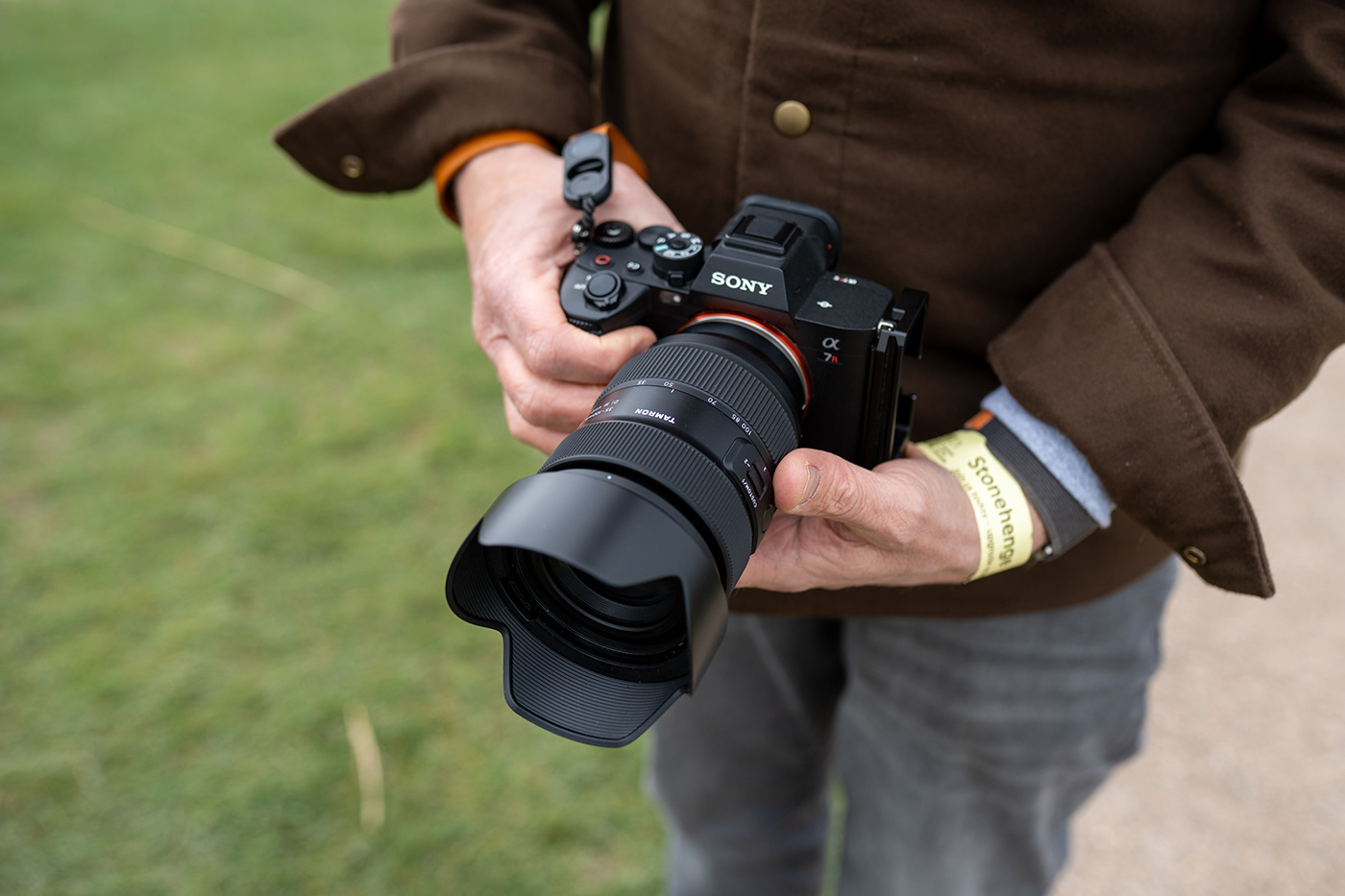
In terms of controls, there's a customisable focus set button as well as a low-profile three-way custom switch on the barrel. These allow you to assign camera functions directly from the barrel to suit your shooting style and subject matter, though the exact features available depend on the mount and software used. Sony and Nikon cameras offer slightly different functionality, but it's a versatile feature that will prove its worth over time.
Sony users can override focus manually via an AF/MF switch. The 35-100mm is also one of the first from the brand to feature a Tamron-Link Bluetooth Adapter port, enabling remote operation via a Lens Utility Mobile app.
I didn't use this feature myself, nor did I customise the controls, however despite being more affordable than the 35-150mm alternative, it is well equipped for modern workflows. This includes the unique remote shooting capability, which is particularly useful for video creators. What I did find is that it's very easy to shoot with, offering a responsive zoom and focus mechanism with just the right amount of feedback for capturing even quite fast moving subjects.
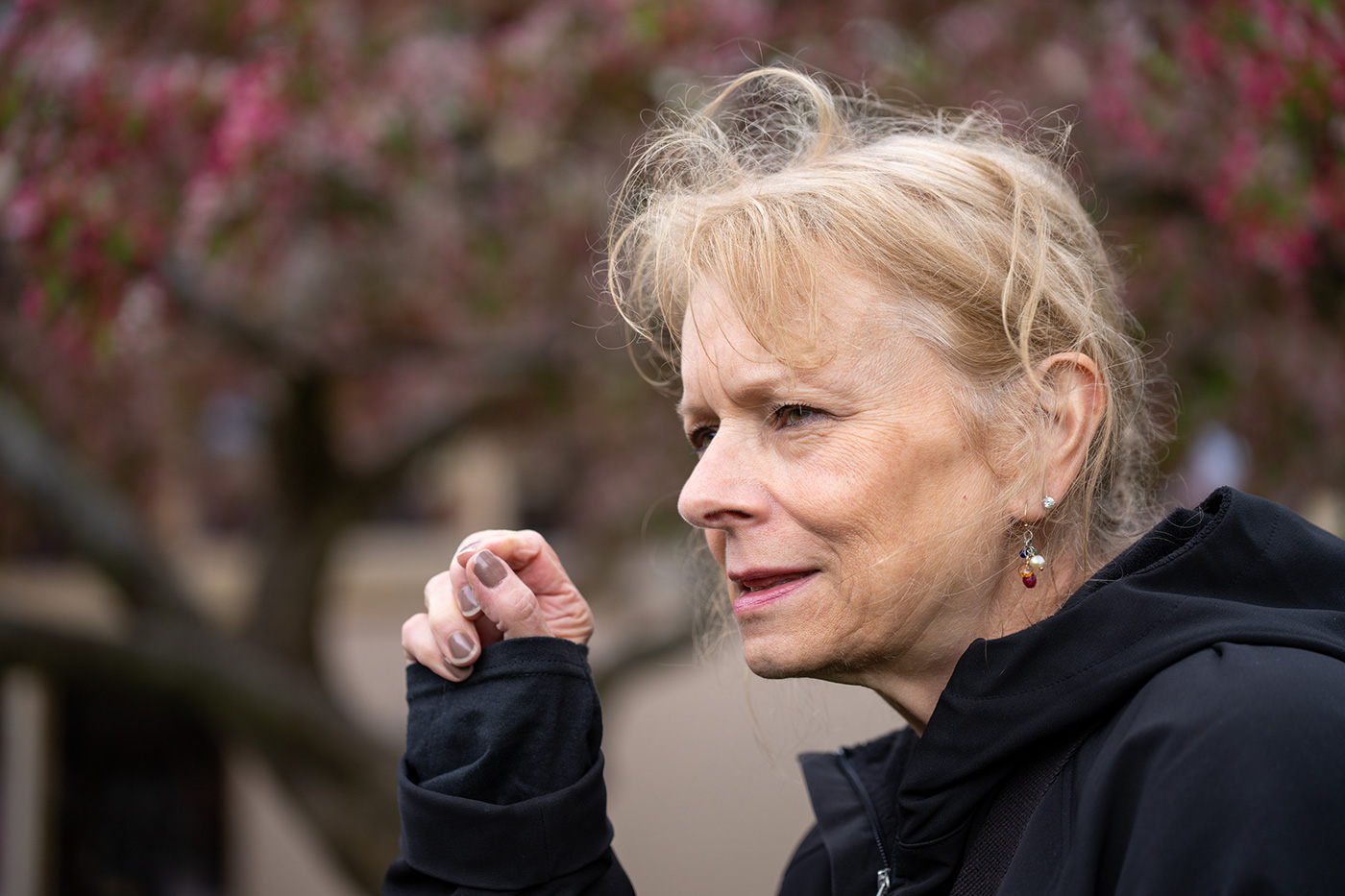
Sample 04 @92 mm. Settings: f/2.8. 1/640 ISO 1/100
Is it well made?
While I can't comment on long-term durability, it does feature comprehensive weather sealing and feels reassuringly solid in the hand. Although it lacks the absolutely premium feel of some pricier all-metal competitors, it comes with a 5-year warranty, which goes a long way in providing confidence that it's built to handle tough conditions.
With consistently smooth and uniform movement from both ring mechanisms and a signature unified 67mm filter thread, all but the most demanding photographer should be more than satisfied with the build quality here.

Sample 05 @75 mm. Settings: f/3.5. 1/500 ISO 1/100
Does it have quick autofocus?
I photographed human subjects primarily using continuous autofocus (AF-C) with subject recognition enabled. The AF system had no trouble keeping up with the majority of human subjects, and also tracked chickens, small birds, insects and more when using subject recognition.
The VXD focus motor is fast and silent, and I enjoyed a high hit rate with eyes rendered in sharp focus. There were a few misses, as there always are in uncontrolled environments, but most users will be very satisfied with the AF capabilities this provides.
Although manual override wasn't necessary most of the time, the ability to quickly take control is useful when you need to avoid obstacles or pull focus rapidly when AF gets it wrong. For street scenes, architecture and stationary subjects you can shoot more deliberately using a single AF point, MF, or however you prefer to work, catering to a variety of subject types without any issue.
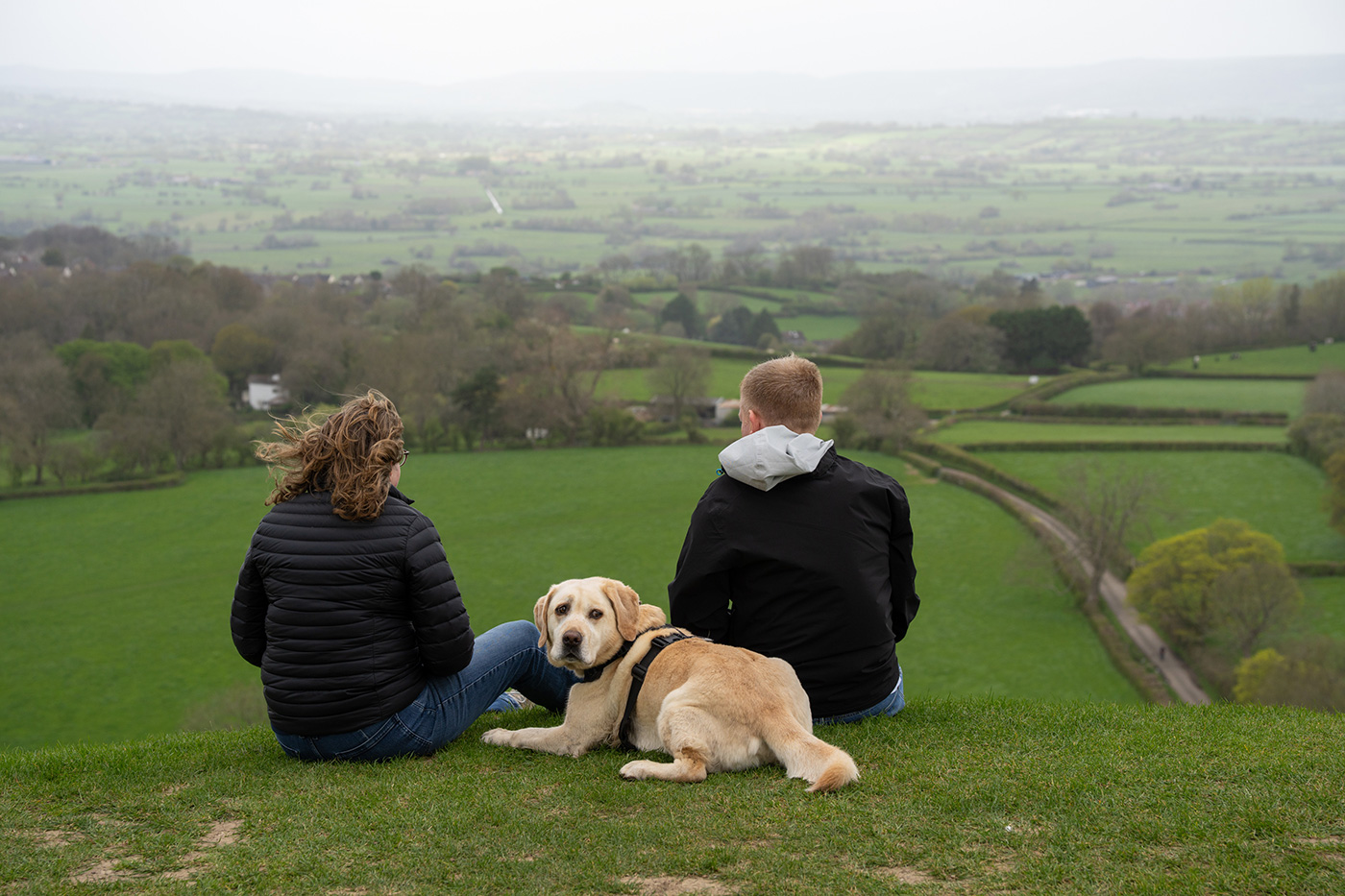
Sample 06 @71 mm. Settings: f/5.6. 1/250 ISO 1/250
If you shoot moving subjects such as weddings, lifestyle, family portraits or street photography, this will be quick enough for the task.
Next we explore image quality, which is particularly important for a standard zoom of this type.
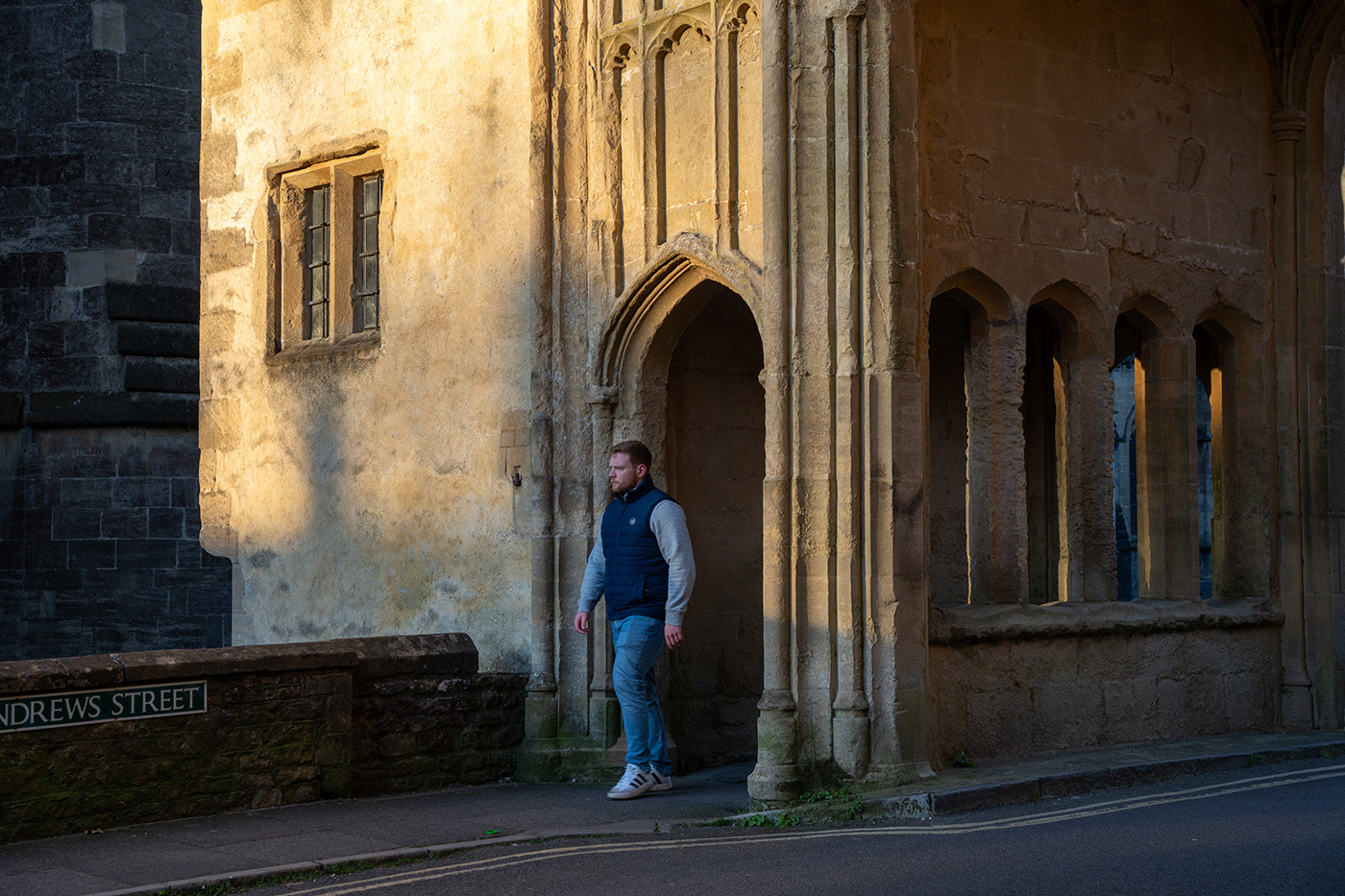
Sample 07 @49 mm. Settings: f/5.6. 1/250 ISO 1/400
Does it produce good image quality?
I've included plenty of mildly edited sample images throughout to help you judge whether the lens renders images to your taste. While some photographers look for character, others want corner-to-corner sharpness, resolving power or other attributes.
For a standard zoom of this nature that leans towards portraiture, I would hope for high centre sharpness, accurate colour and well-controlled chromatic aberration. It exceeded my expectations for all of these qualities, with very high centre sharpness throughout the zoom range, even when shooting wide open at f/2.8.
I especially liked the colour rendition across a variety of situations, including misty conditions, backlit sunlight and softer twilight light. Chromatic aberration was very well controlled too, with no discernible longitudinal chromatic aberration (LoCA) to speak of.
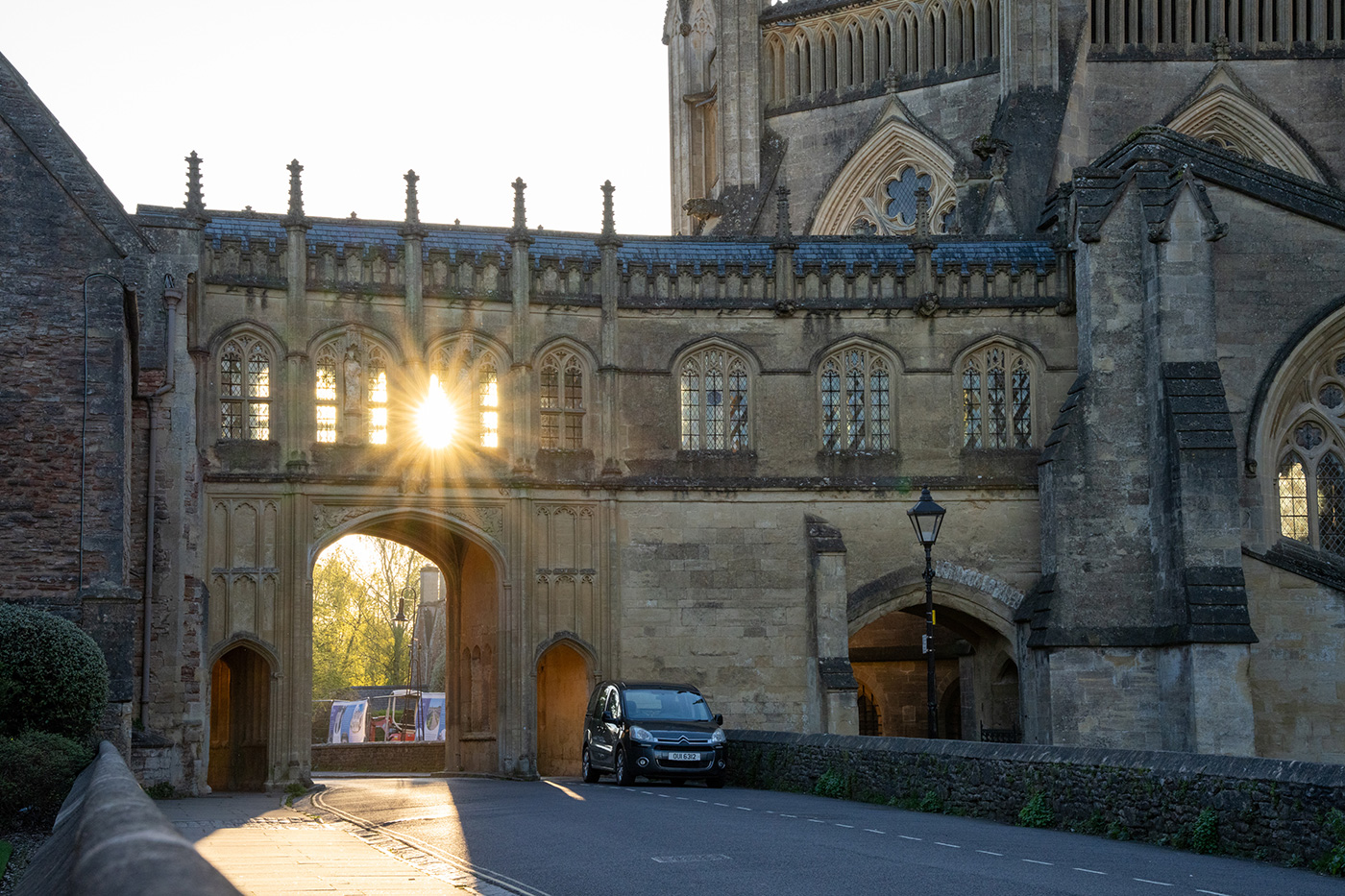
Sample 08 @67 mm. Settings: f/14. 1/250 ISO 2,000
Other positives included the bokeh rendering, with quite smooth and rounded out-of-focus balls thanks to the 9-bladed aperture. Focus falloff was also pleasing, with smooth transitions between in-focus and out-of-focus areas, albeit without the stark separation you can find in extremely fast f/1.2 or f/1.4 lenses.
There is a little cat's-eye in bokeh towards the edges of the frame, some mild distortion and vignetting, but these are all part of the optical character. While some of these can be corrected in post if desired, others largely go uncorrected and contribute to the overall rendering, which I personally found pleasing.
There's plenty of detail for the 60+ MP Sony sensor too, and the f/2.8 aperture gathers enough light for most situations while also delivering good background separation at longer focal lengths to distinguish the subject effectively. I really enjoyed the dreamy quality when shooting close-up, while architectural details and landscape scenes can be rendered pin sharp from front to back at f/8, making this a versatile zoom for a variety of genres.
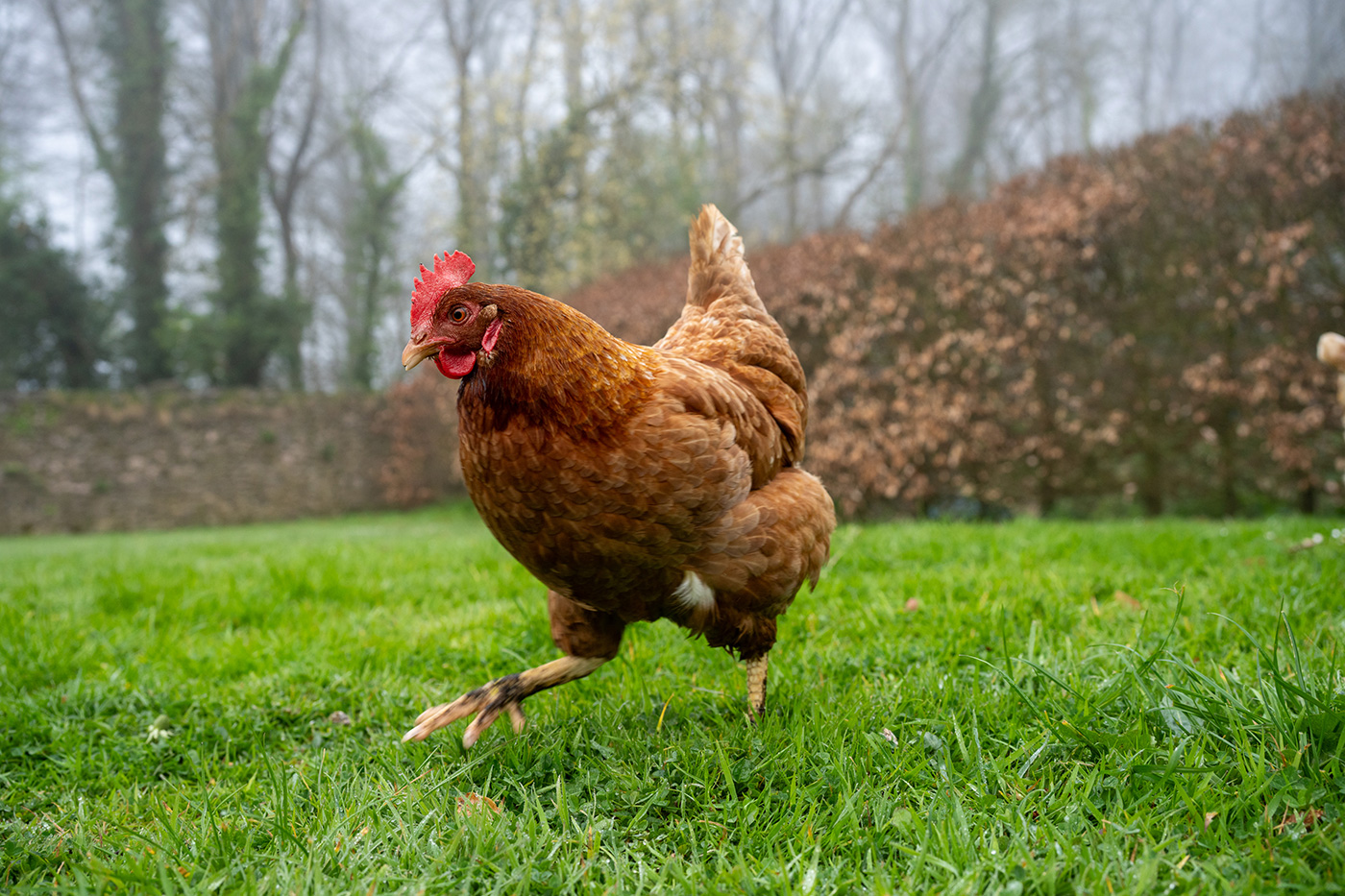
Sample 09 @35 mm. Settings: f/5. 1/250 ISO 800
Is the zoom range restrictive?
Although this model bucks the trend, most standard zooms begin at 24mm or 28mm and tend to top out at 70mm or 105mm. Does this make it restrictive in practice? That almost entirely comes down to the subjects you shoot and how you like to work.
I personally really enjoy a 35mm focal length and find it wide enough to capture environmental portraits, certain types of landscape scenery and other subjects without feeling constrained. I'm used to moving my feet to change a composition, and find that 35mm works well for street photography, allowing plenty in the frame without needing to stand as close as you would with 28mm or 24mm.
With that said, certain subjects do of course benefit from a wider starting focal length, as they do from a longer reach than the 100mm, which this offers. While 100mm is perfectly adequate for creating pleasing foreground-to-background separation in most environments, it will feel too short in others, and some users will find themselves switching to a 70-180mm or 24-105mm.

Sample 10 @53 mm. Settings: f/2.8. 1/400 ISO 100
The strengths of this lens are its constant f/2.8 aperture, excellent centre sharpness and lightweight design. It doesn't cater to every need and isn't an all-in-one travel lens, but it does an excellent job within its zoom range while being less expensive than many alternatives.
Whether you're a beginner, an intermediate user or a professional looking for a lighter carry, this model is a unique proposition that comes highly recommended and deserves a serious look.
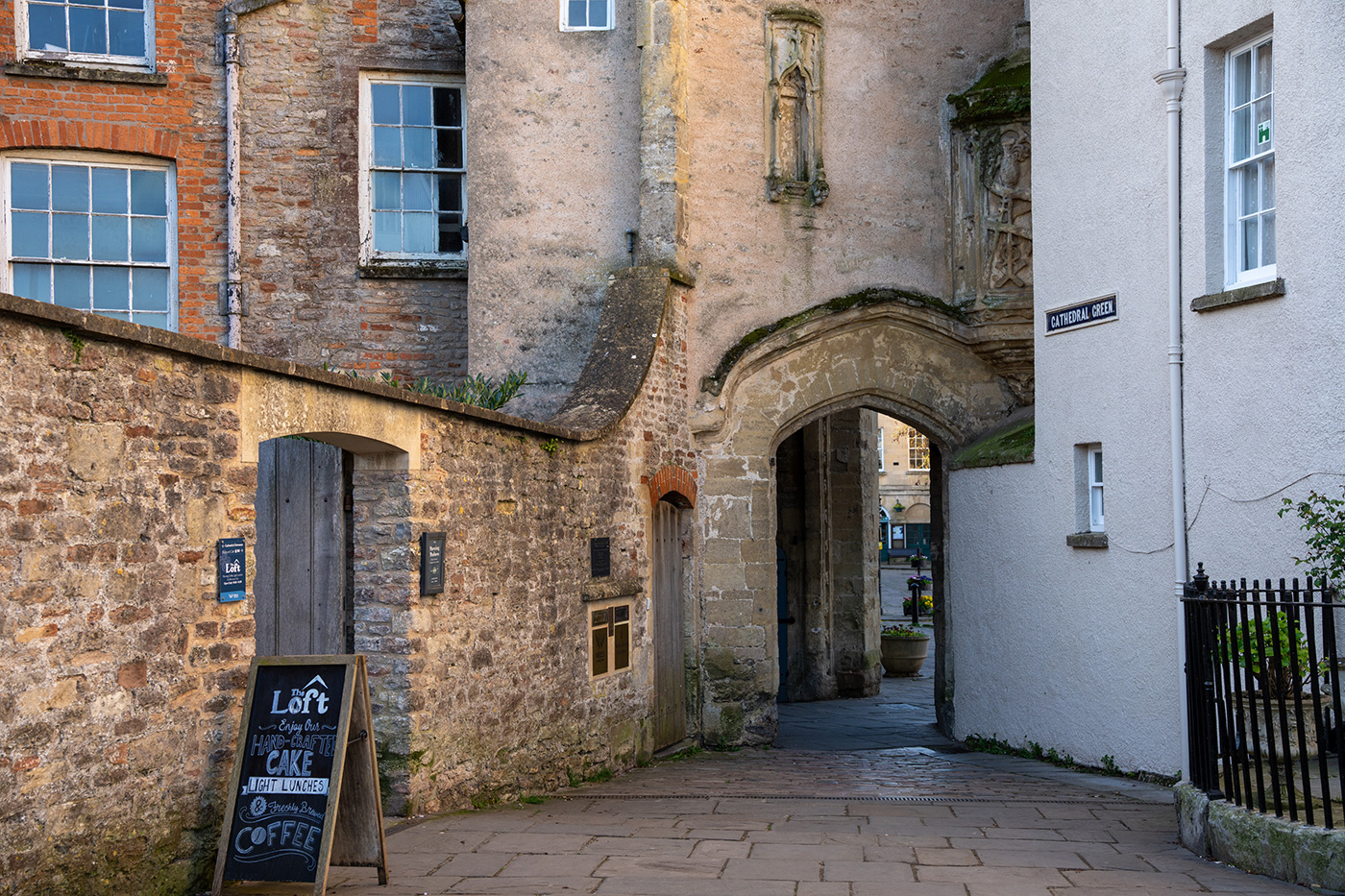
Sample 11 @46 mm. Settings: f/5.6. 1/125 ISO 200
Reserve your Tamron 35-100mm F/2.8 Di III VXD Lens For Sony E or 35-100mm F/2.8 Di III VXD Lens For Nikon Z to discover just how versatile this lightweight mirrorless zoom is.
Share this post:
By Nick Dautlich on 06/05/2026

Nick Dautlich
Senior Content Writer and Product Reviewer
Nick Dautlich is the Senior Content Writer and Product Reviewer at Park Cameras, with over 15 years of photography experience. A Sony Imaging Professional and expert reviewer, Nick has worked with major brands such as Canon, Sony and Nikon. His work is also featured on Vanguard World UK’s website, Capture Landscapes, and Shutter Evolve. Nick’s photography includes National Trust projects and magazine covers and he is passionate about landscapes and storytelling. Nick also enjoys hiking and teaching his children about nature. Learn more on his profile page.
Trade in your old equipment
Fast and easy trade in service ensures your old gear is collected efficiently and you are paid quickly! It's very simple to trade in your unwanted photography gear. Just head over to our dedicated Sell or Part Exchange page, fill out the details, and we'll get back to you with an offer for your old gear. Take the cash, or put it towards the cost of your new gear. It's up to you! Find out more
sign up to the newsletter
Keep up to date on the latest photography news, events and offers. Sign up now