- Call us 01444 237070

-
- Back
- Used Cameras
- Used Accessories
- Used Lenses
- Back
- Used Canon Lenses
- Used Nikon Lenses
- Used Fujifilm Lenses
- Used Sony Lenses
- Used Micro 4/3rds Lenses
- Used Leica Lenses
- Used Panasonic Lenses
- Used Pentax Lenses
- Used Samyang Lenses
- Used Sigma Lenses
- Used Tamron Lenses
- Used Tokina Lenses
- Used Voigtlander Lenses
- Used Zeiss Lenses
- Used Hasselblad Lenses
- Used Video
- Used Film Equipment
- Used Stock Alert
- Used Blank Test
- Sell or Part Exchange
- Used Clearance
- Recently Added Used Equipment
- Park Picks
- Faulty
- Trade-In
- Blog
- New in
- Call us
- Contact us
- Stores
- Sign in
- Categories
- Tips & Inspiration
- Reviews
- News
- Events
- Features
- Buying Guides
- Competitions
Sigma 16-300mm f/3.5-6.7 DC OS Hands-On Review
Having shot with Sigma lenses for many years, I jumped at the chance to put the Sigma 16-300mm f/3.5-6.7 DC OS Contemporary through its paces. As a full-frame Sony user, it's easy to overlook the benefits that a 1.5x APS-C crop factor can bring to travel and everyday photography.
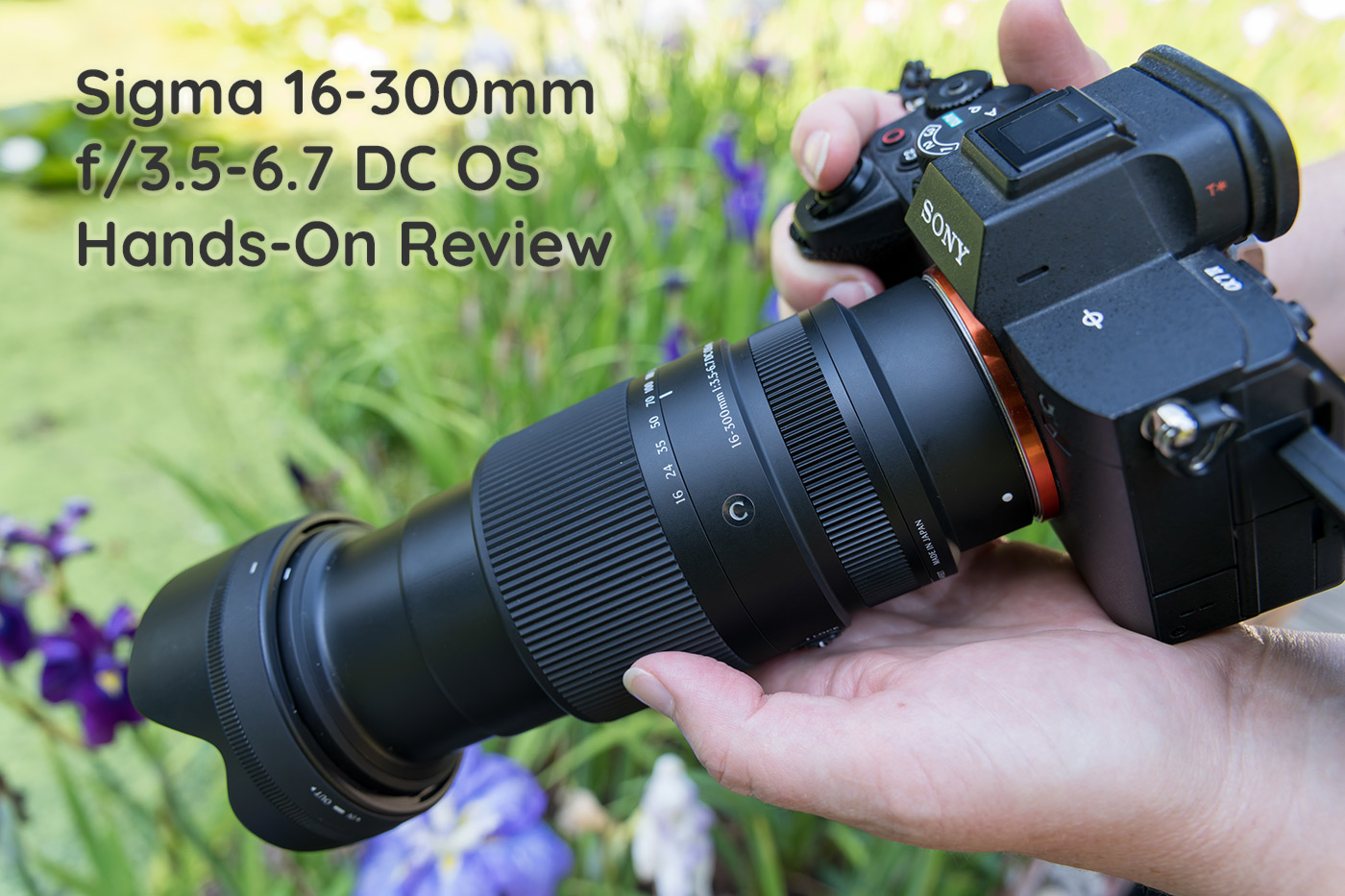
With that in mind, I packed the Sigma 16-300mm f/3.5-6.7 DC OS Contemporary for Sony and set off on a multi-day photo review, hoping to capture travel, wildlife, action, and even some macro shots along the way.
Whether you're after the best lens for travel photography, or simply exploring zoom lenses that let you leave the rest of your kit at home, join us as we dig into everything you need to know about this remarkably compact, all-in-one camera lens for crop sensors. With a massive 18.75x zoom ratio, equivalent to 24-450mm on most APS-C bodies, you really may be able to leave all your other lenses behind.
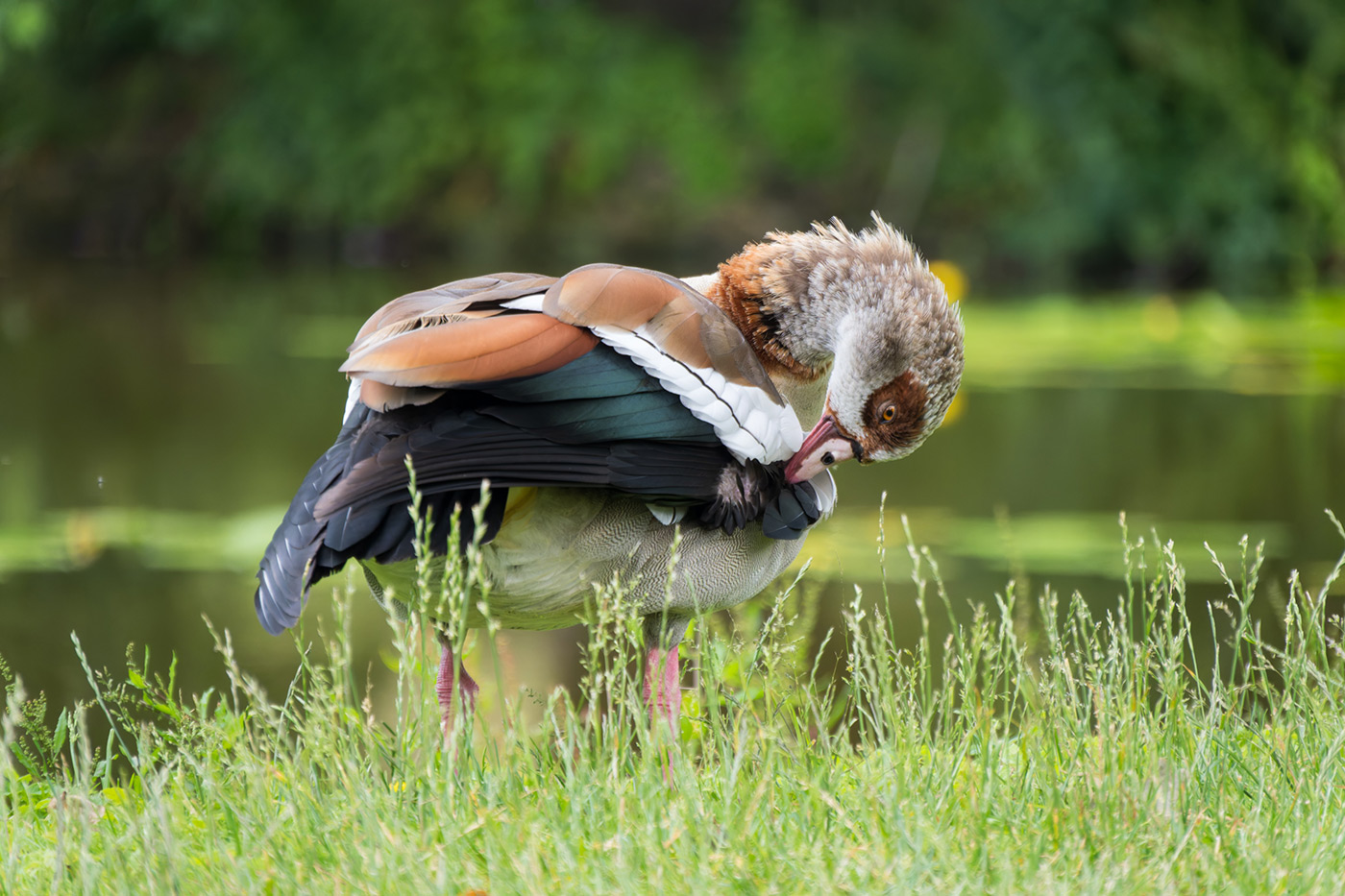
Sample 01 Egyptian Goose @229mm Camera settings: 1/500 sec. f/6.3. ISO 2000
Sigma 16-300mm Sample images
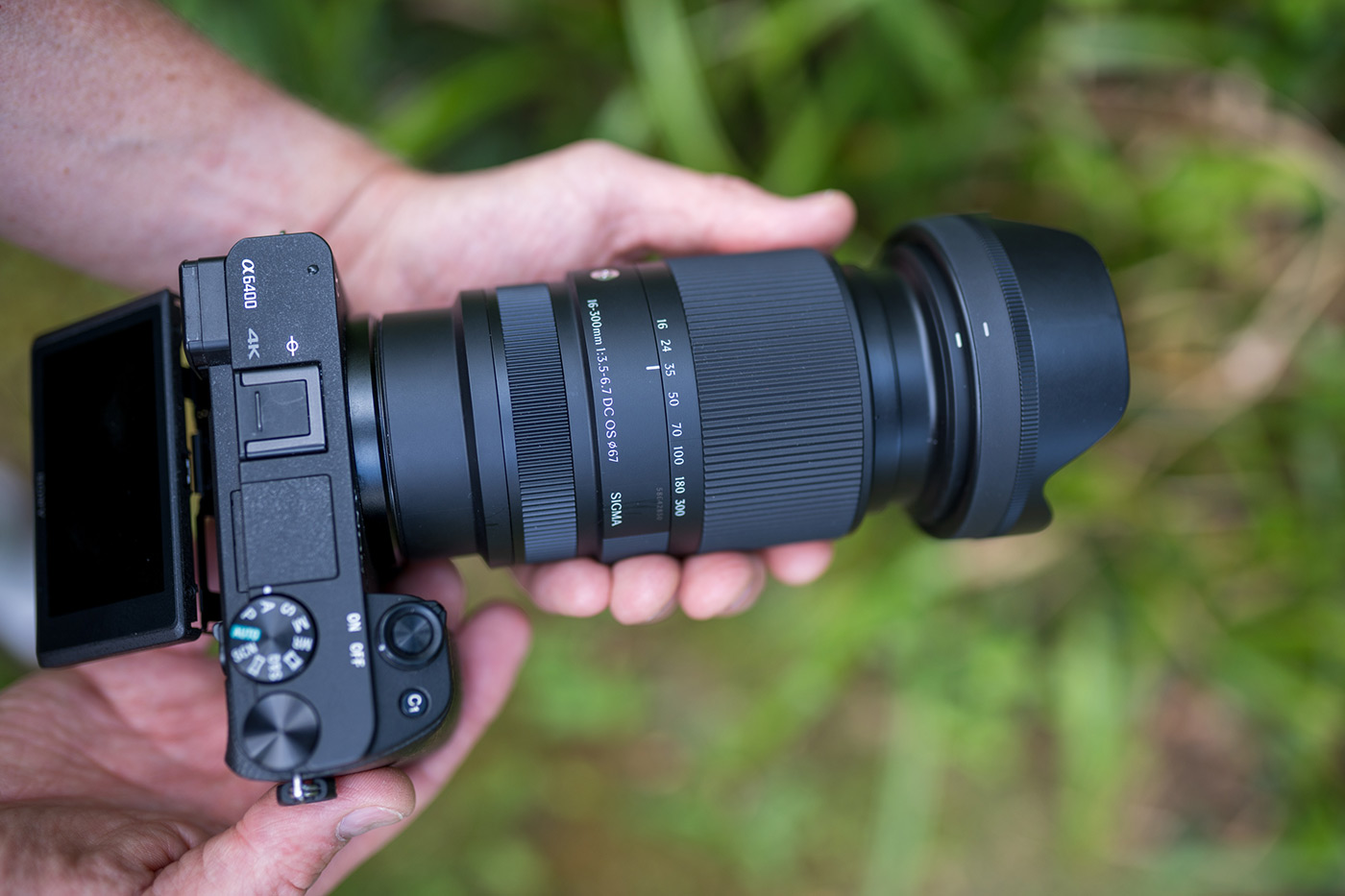
The sample photos included in this review were mainly shot on a Sony A7R V in crop mode, with others captured using an A7 IV, also in crop mode. A used Sony A6400 camera is pictured, which illustrates how incredibly small and lightweight this zoom lens is when mounted on a crop sensor body.
All of the images were captured in RAW with only light edits, including noise reduction, basic contrast adjustments, vibrance and saturation that many photographers would typically apply. None of the samples are cropped-in, other than to straighten the horizon if necessary.
ℹ️ If using a desktop computer, you can right click to pop up any image and view larger, or touch and hold on mobile.
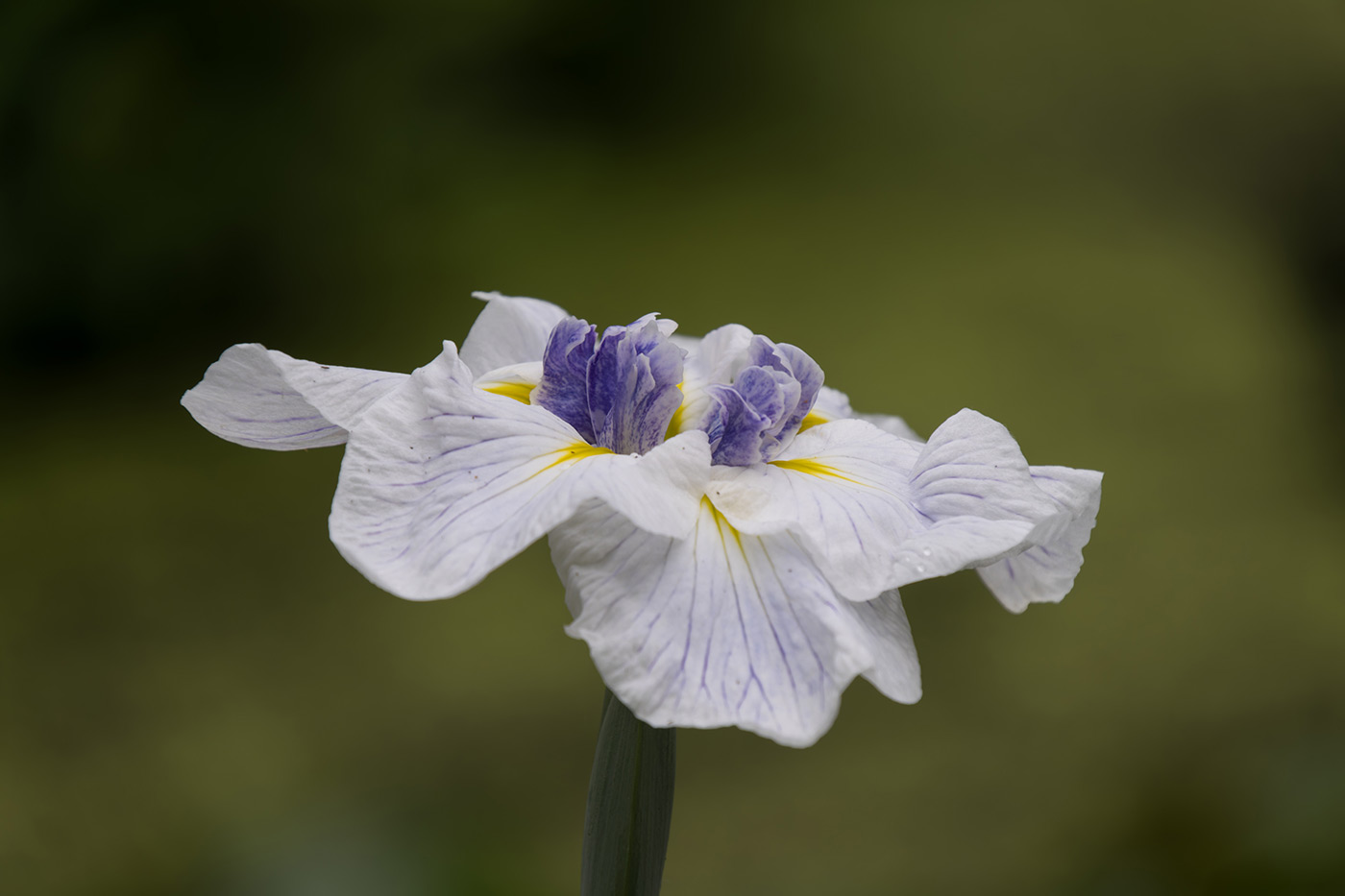
Sample 02 Iris Flower @226mm Camera settings: 1/250 sec. f/6.3. ISO 100
Despite the heatwave that swept the country during the review, I still managed to shoot in a variety of conditions, including light rain, overcast days and, of course, blisteringly warm blue sky days, all of which a travel lens should be able to handle.
So, without further ado, let’s begin by exploring how much it costs and which camera mounts it is available on.
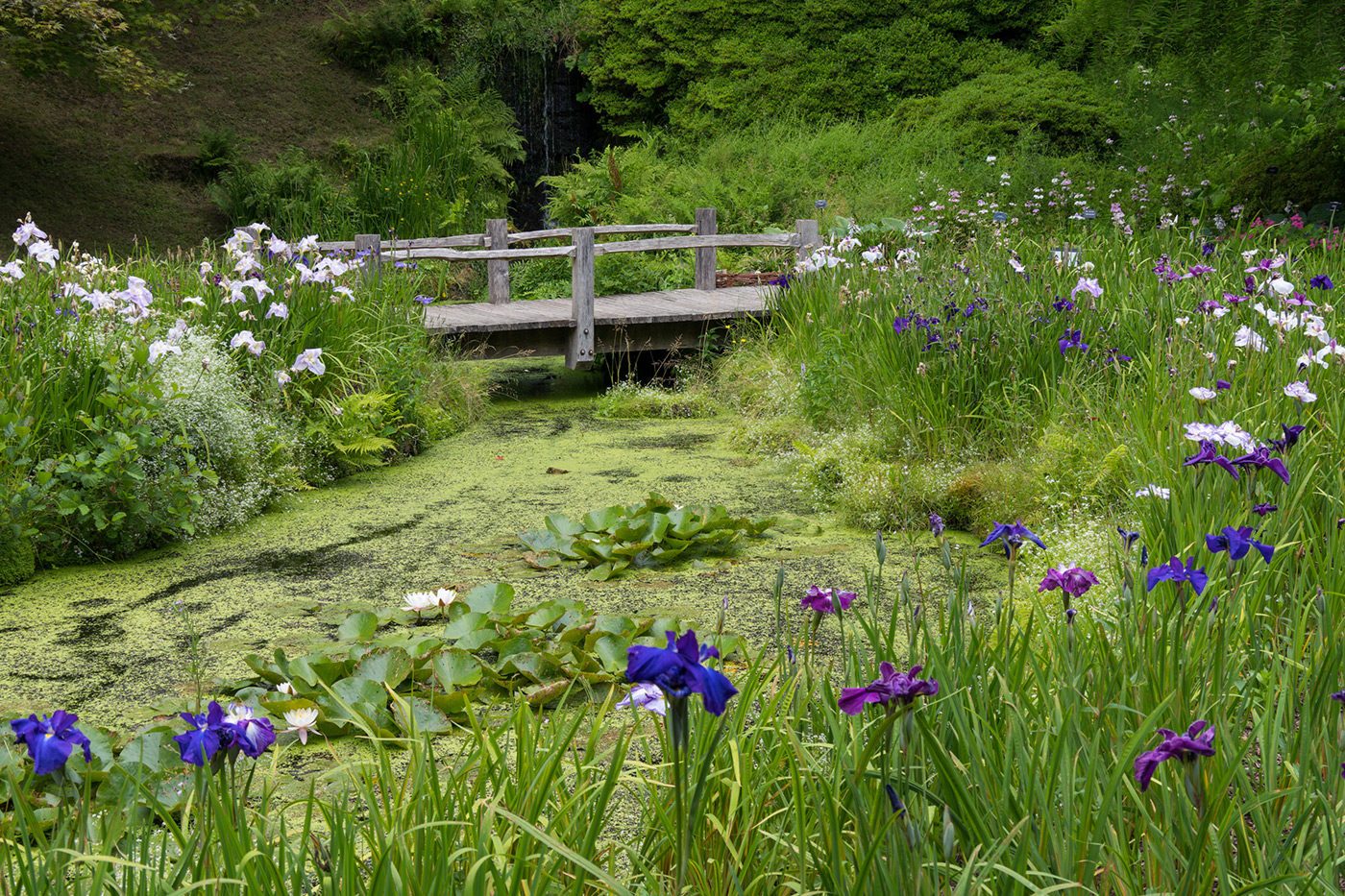
Sample 03 Landscaped gardens @37mm Camera settings: 1/125 sec. f/8. ISO 250
Sigma 16-300mm f/3.5-6.7 DC OS Price and Mounts
Falling within Sigma's Contemporary series, the 16-300mm f/3.5-6.7 DC OS lens costs just £599.00 for any of the four mounts it comes in. This is excellent value considering what an extensive zoom range it offers.
Click the links below to browse specific options:
- 16-300mm lens for Canon RF
- 16-300mm lens for Sony E
- 16-300mm lens for Fujifilm X
- 16-300mm lens for L Mount
Next, let's look at the design, handling and build quality.
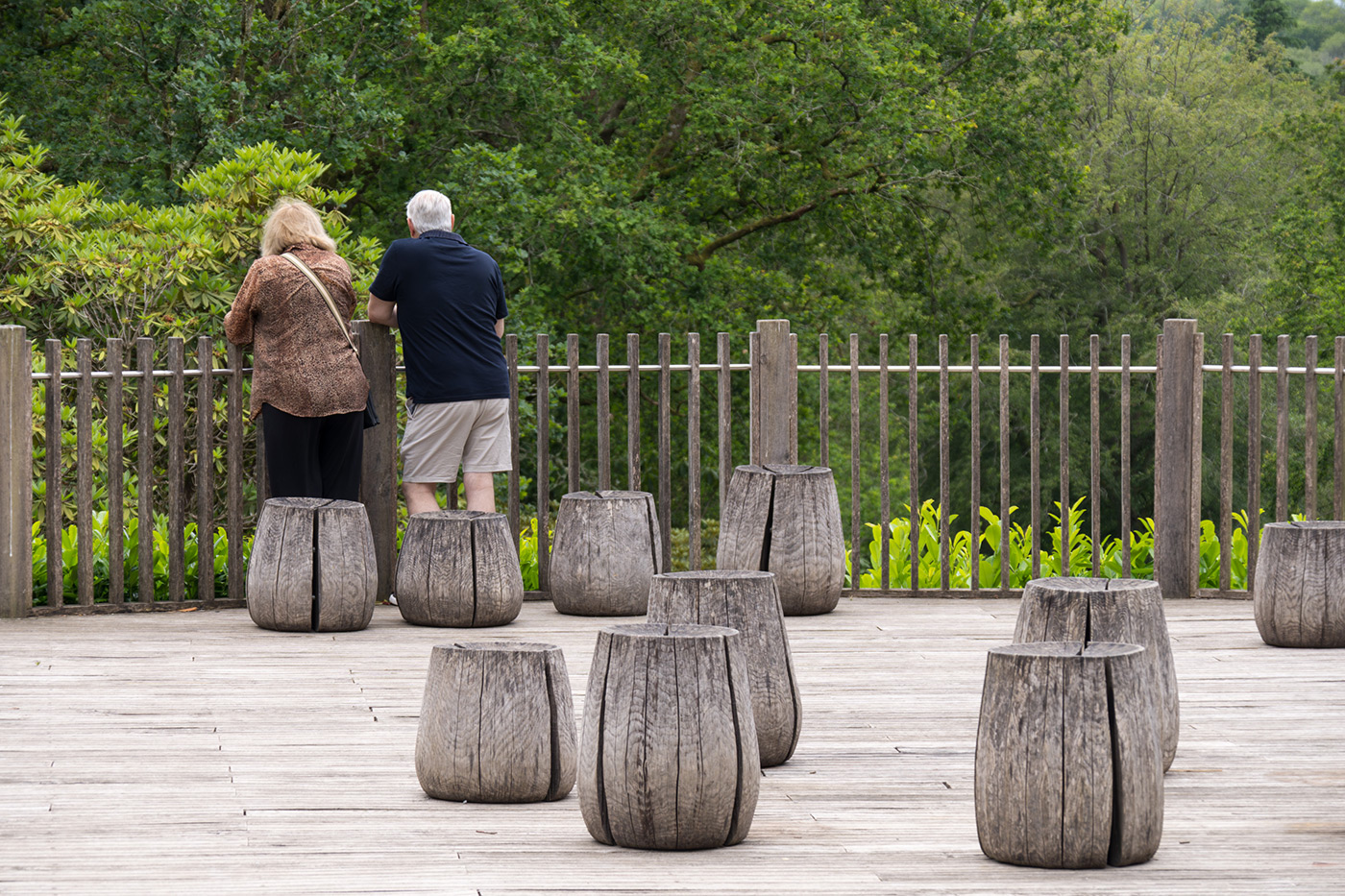
Sample 04 Couple Observing @98mm Camera settings: 1/125 sec. f/8. ISO 200
Sigma 16-300mm Build Quality and Handling
Weighing between 615g and 625g depending on the mount, this is an extremely portable all-in-one zoom, which balances effortlessly on even the lightest mirrorless camera body. It’s made with Sigma’s thermally stable composite plastic, which feels robust and well put together. Despite being from the most accessible Contemporary series, it features a rear rubber gasket with dust and splash resistance, and a water-repellent coating.
Thanks to being so lightweight handling isn’t compromised when the barrel extends while zooming, and a lock switch on the barrel prevents creep when the lens is stowed away. That’s about for controls, as this is a simple, no frills Sigma zoom lens with everything needed for quick use in the field, without being distracted by lots of switches and controls. It does include a 67mm filter thread, which is also compact and allows for commonly found affordable lens filters to be added.
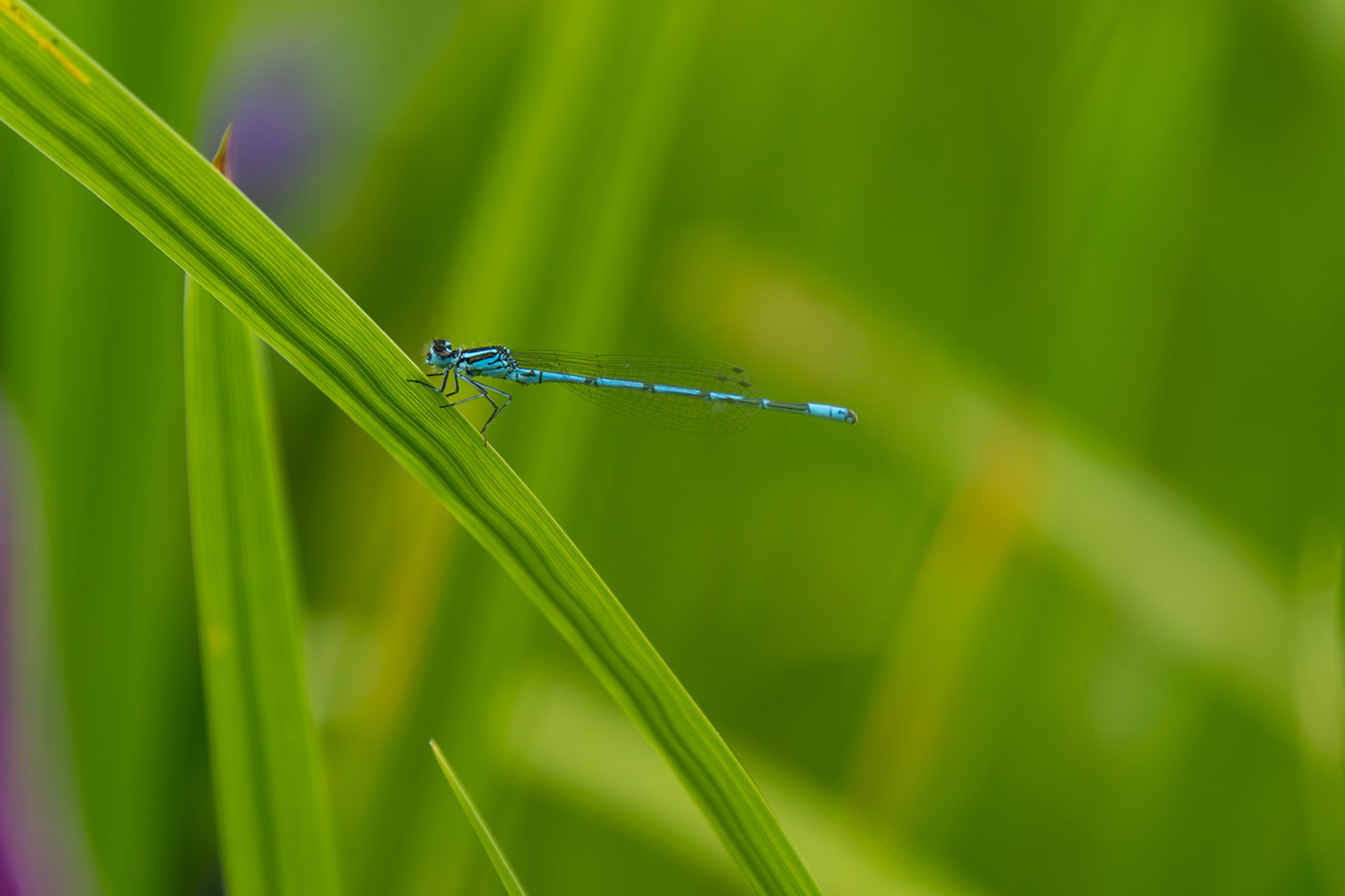
Sample 05 Common Blue Damselfly @300mm Camera settings: 1/500 sec. f/6.7. ISO 1250
Sigma's redesigned packaging is well worth mentioning here too. It's not only beautifully designed, but made from recyclable and biodegradable materials, which is a welcome move towards reducing environmental impact.
Next we explore real-world image quality.
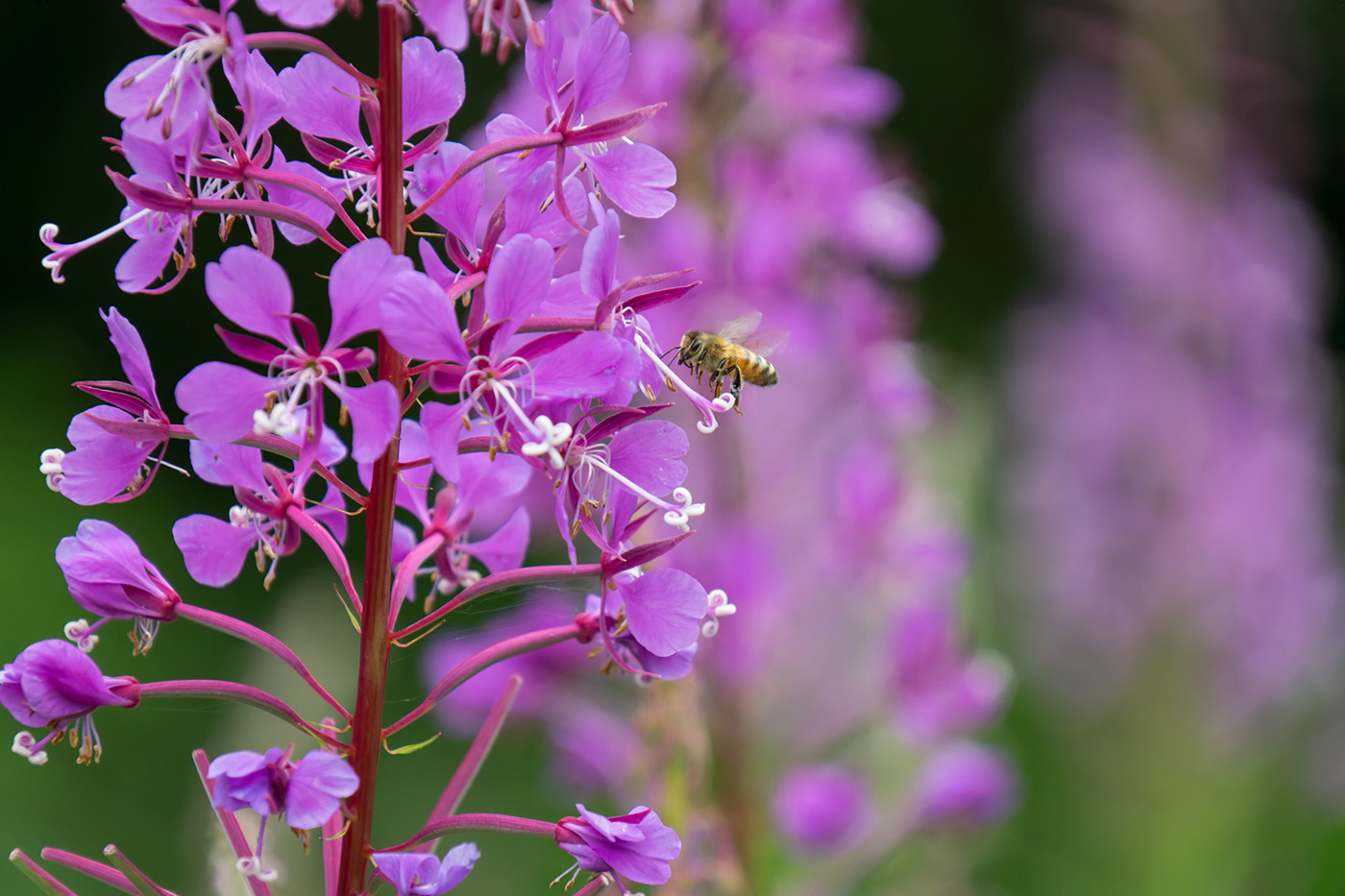
Sample 06 Honey bee in flight @300mm Camera settings: 1/1000 sec. f/6.7. ISO 4000
How is image quality?
Given such an extensive zoom range, I expected to see noticeable flaws, but was genuinely surprised by how well the Sigma 16-300mm f/3.5-6.7 DC OS performed across a variety of subjects. Results were equally impressive whether I was capturing close-ups of flowers and insects, birds in flight and other wildlife, windsurfers, more considered street photography, candid portraits, or landscape scenery.
At the widest end of the range there's some distortion and vignetting, which is most noticeable around the edges of the frame. That said, it's far from distracting, as the 16mm shot of the stately home demonstrates, which holds up beautifully in my opinion.
Through the middle of the zoom range, resolution is very good, with high levels of detail, minimal distortion and clean results that is perhaps peak performance for this lens. The landscape garden and Japanese iris were both shot at mid-range focal lengths.
I found myself shooting at the longer end of the range most often, which suits my style of outdoor photography. Here the lens excels too, with good resolving power, contrast and accurate colours that needed only a light touch when editing the RAW files. There's a slight drop-off in sharpness towards the edges when fully zoomed, but subjects are typically nearer the centre of the frame, so it's rarely noticeable.
Next, we have to address the elephant in the room…
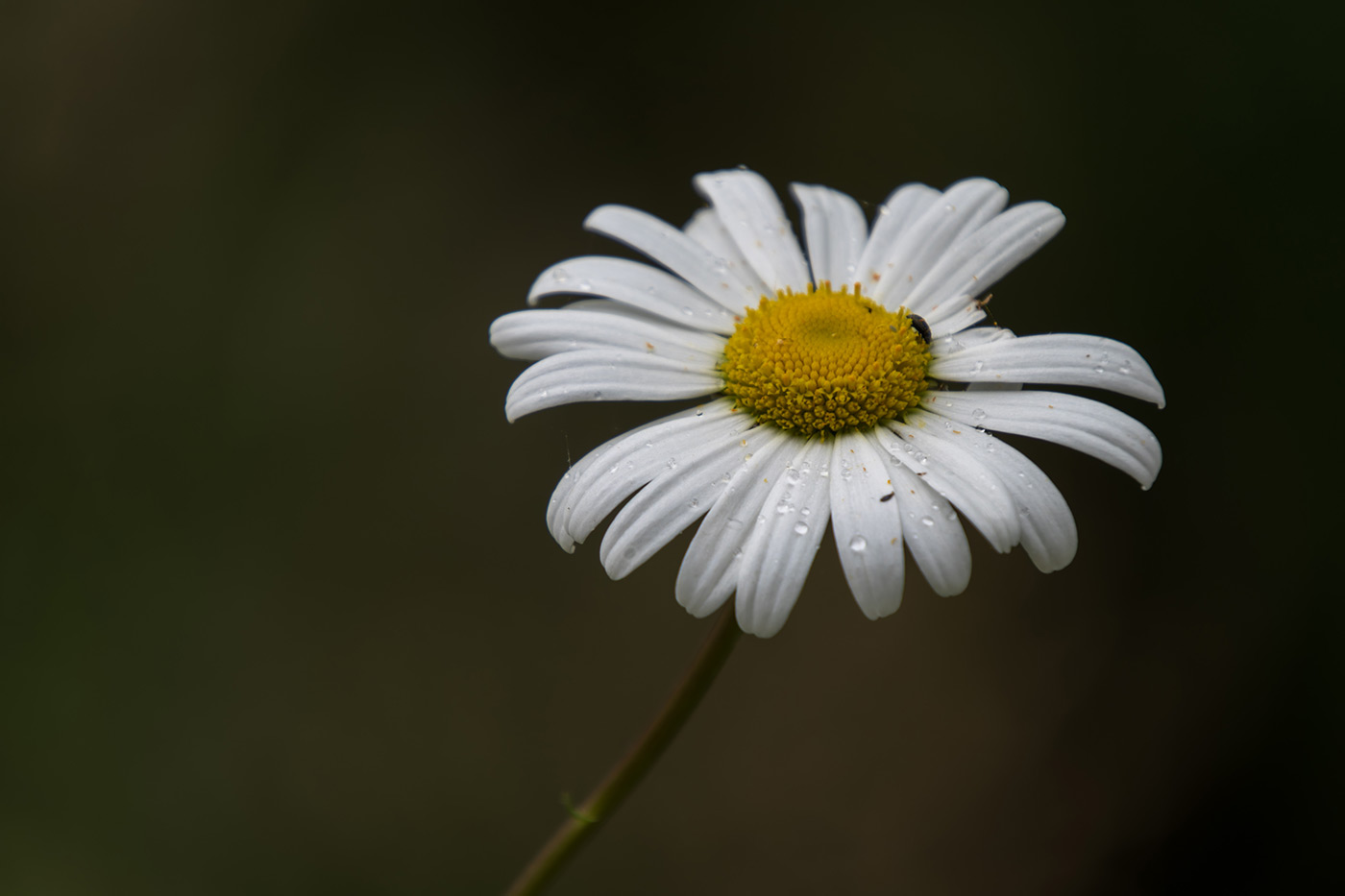
Sample 07 Flower after rain @300mm Camera settings: 1/125 sec. f/6.7. ISO 250
Does the Variable Aperture Matter?
The Sigma 16-300mm has a relatively slow f/3.5-6.7 variable aperture, which is almost certainly the trade-off for keeping the lens so compact. It reduces effectiveness in low light, but Optical Stabilisation (OS) helps maintain sharpness when handholding at slower shutter speeds.
That said, I had no trouble creating a shallow depth of field with examples here showing distinct subject and background separation, especially at longer focal lengths. The 9-bladed aperture also produces soft, rounded bokeh with lovely smooth focus fall-off and tonal separation.
I’m naturally drawn to that kind of separation when shooting a specific subject, whereas for landscapes, buildings and other scenery, the aperture lends itself to a deeper depth of field and front-to-back sharpness.
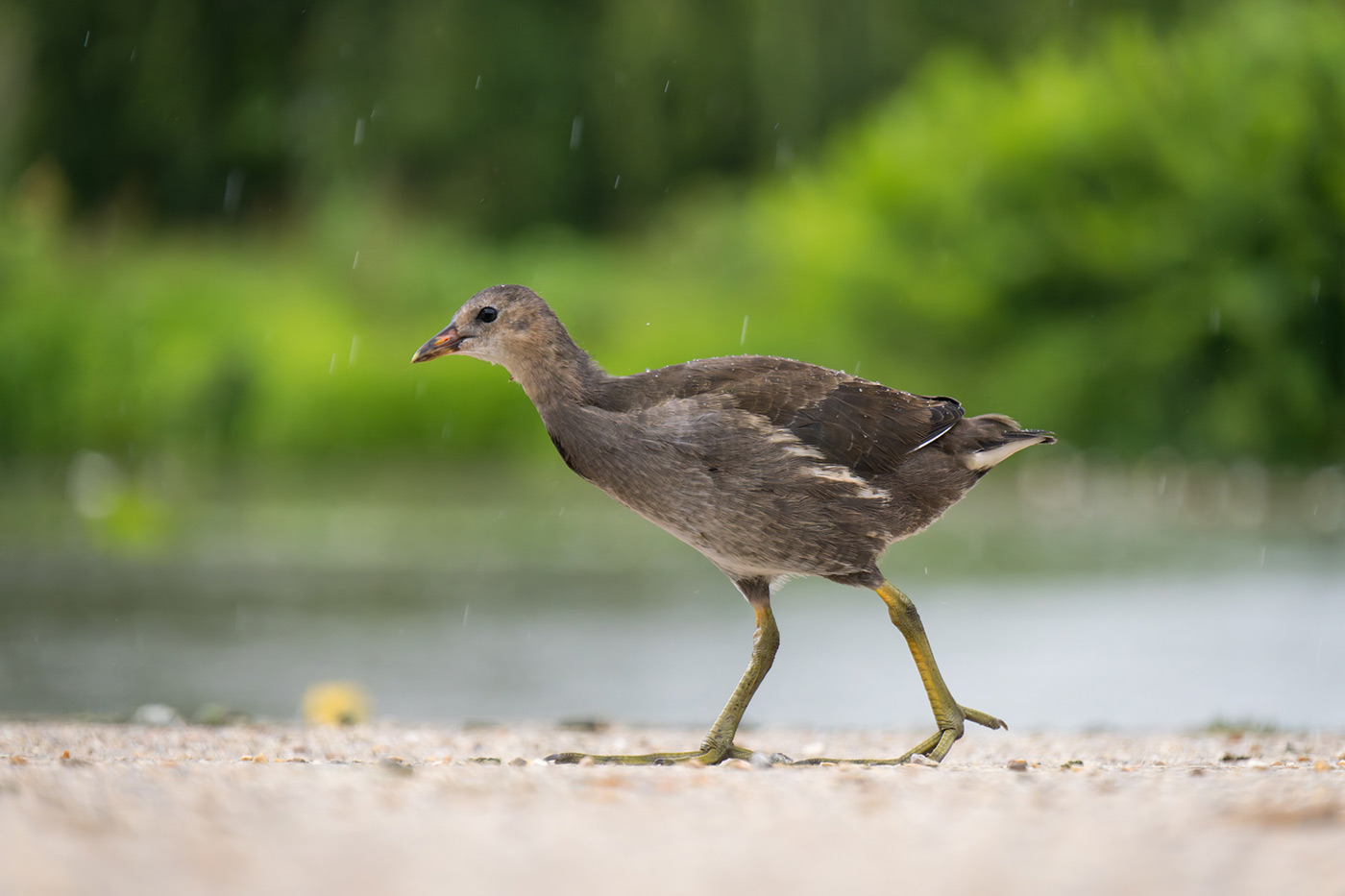
Sample 08 Juvenile Moorhen in rain @220mm Camera settings: 1/500 sec. f/6.3. ISO 3200
Although a wider aperture is often advantageous, the Sigma 16-300mm is versatile enough to be an excellent choice across the huge range of subjects, which this zoom covers. If you’re shooting interiors or low-light landscapes, consider bringing a tripod to be sure of sharp results. Aside from that, it’s hardly a compromise at all for most users, especially when capturing travel content, where it’s often preferable to have a greater depth of field.
Next, we look at autofocus and stabilisation performance, which also affect image quality.
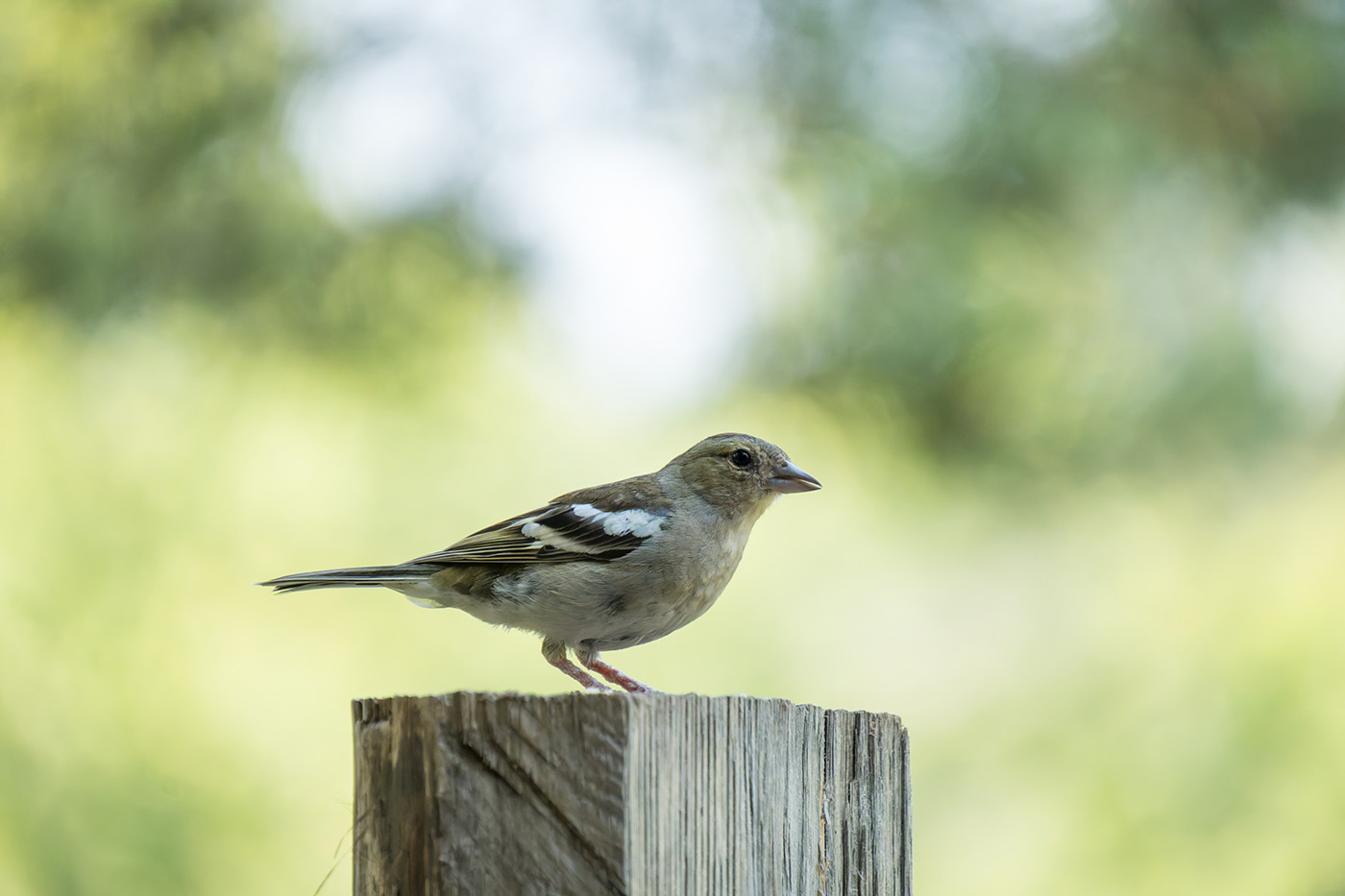
Sample 09 Common Chaffinch @283mm Camera settings: 1/500 sec. f/6.3. ISO 8000
How Effective are Autofocus and Stabilisation?
Sigma fitted the 16-300mm with its HLA (High-response Linear Actuator) linear motor, which is the same AF system found in premium Art series lenses like the recently released 50mm F1.2 DG DN Art and 35mm F1.4 DG II Art. That puts this compact travel zoom lens in very good company.
Naturally, I did miss a handful of shots, particularly of birds in flight at the beach or faster water sports in low-contrast conditions, but on the whole, the lens keeps pace surprisingly well. Whether you're newer to wildlife photography or just want to capture fast-moving family members or outdoor events, it's more than up to the task.
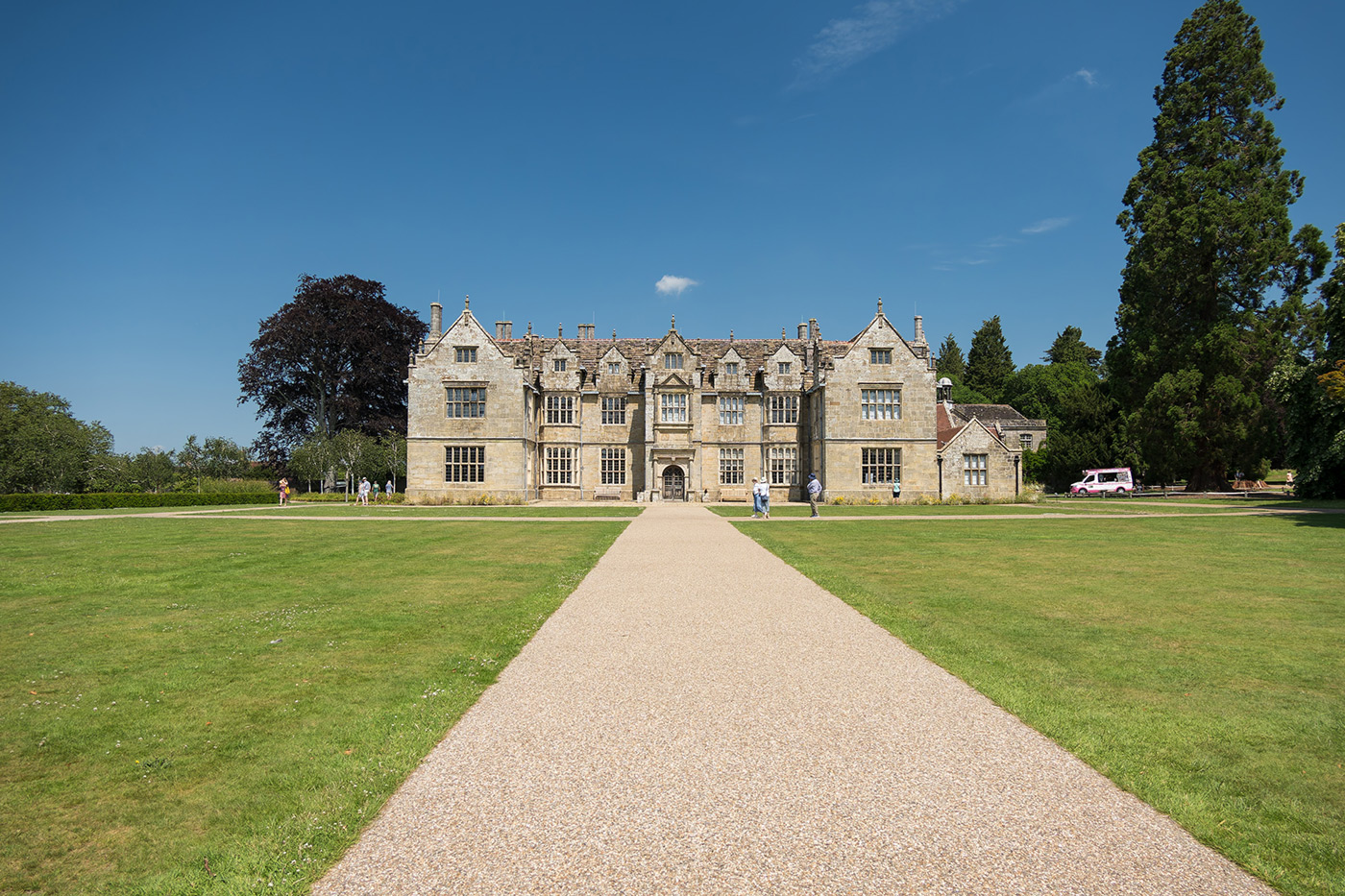
Sample 10 Stately Home @16mm Camera settings: 1/400 sec. f/6.3. ISO 250
The stabilisation system is just as impressive, offering 6 stops at the wide end and 4.5 stops at the telephoto end, according to Sigma. The Sony bodies I shot with include IBIS, so you get combined lens and body stabilisation on Sony E, as you would to varying degrees with most Canon RF, L Mount or Fujifilm X cameras too.
As long as you're not expecting to rival a professional super-telephoto prime, you'll be more than happy with what this versatile lens can achieve, bringing us neatly onto close-up performance.
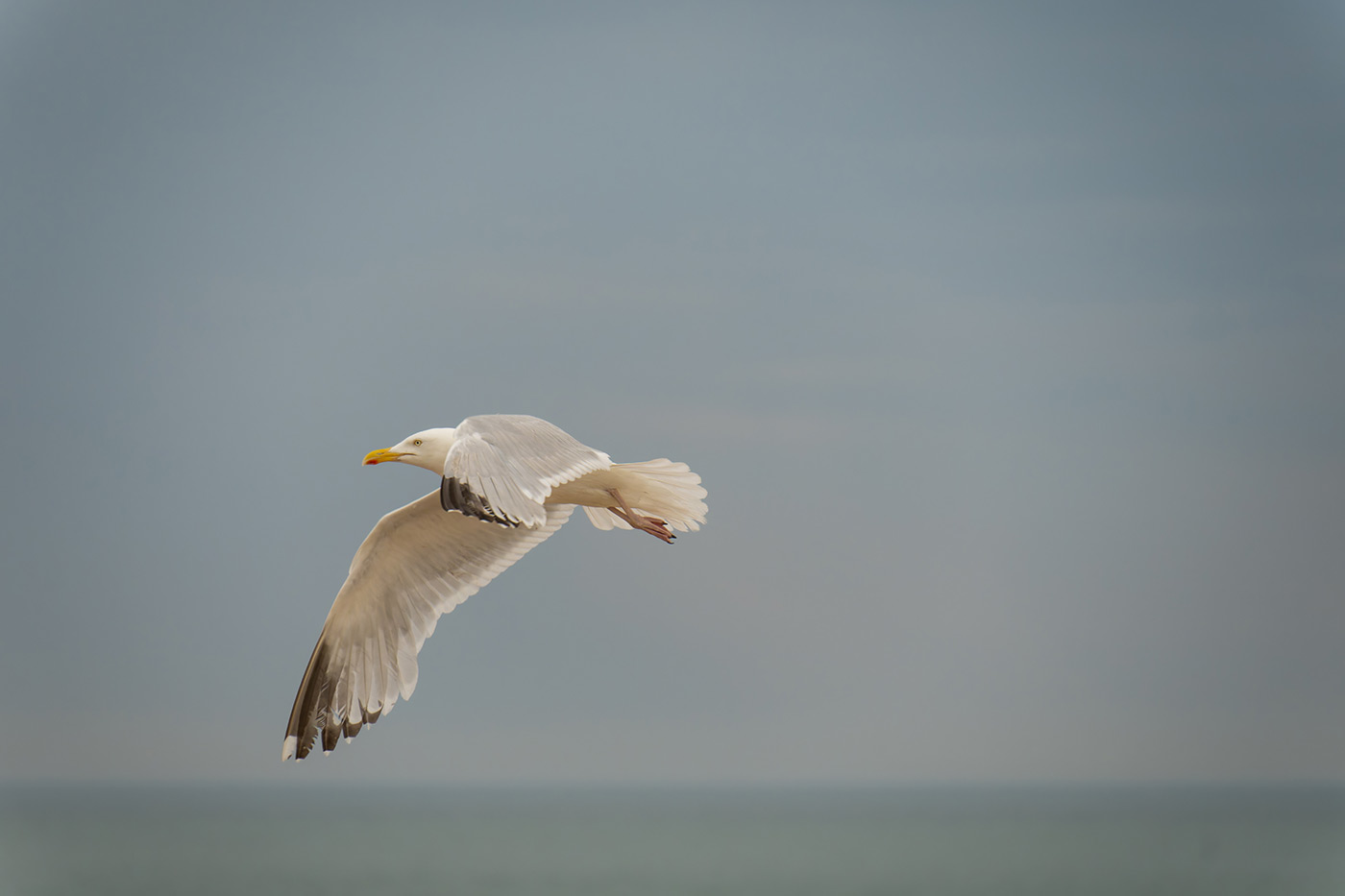
Sample 11 Seagull in Flight @226mm Camera settings: 1/1000 sec. f/6.3. ISO 640
Can you shoot close-ups with the 16-300mm lens?
Yes! This all-in-one zoom provides very effective close-up performance, which extends its versatility beyond the already impressive 18.75x zoom range. It has a maximum magnification of 1:2 towards 70mm in the middle of the range, which is half life-size (0.5x) at an equivalent focal length of 100mm in full-frame terms.
This opens up a world of opportunities for capturing beautiful macro images of flowers, insects and really anything else that catches your eye. The aperture range is more of a plus here, with a greater depth of field rendered without needing to stop down, which is usually beneficial for macro. At close range, good lighting ensures your ISO doesn’t get too high, but you can always add supplemental flash lighting that’s compatible with your camera if needed.
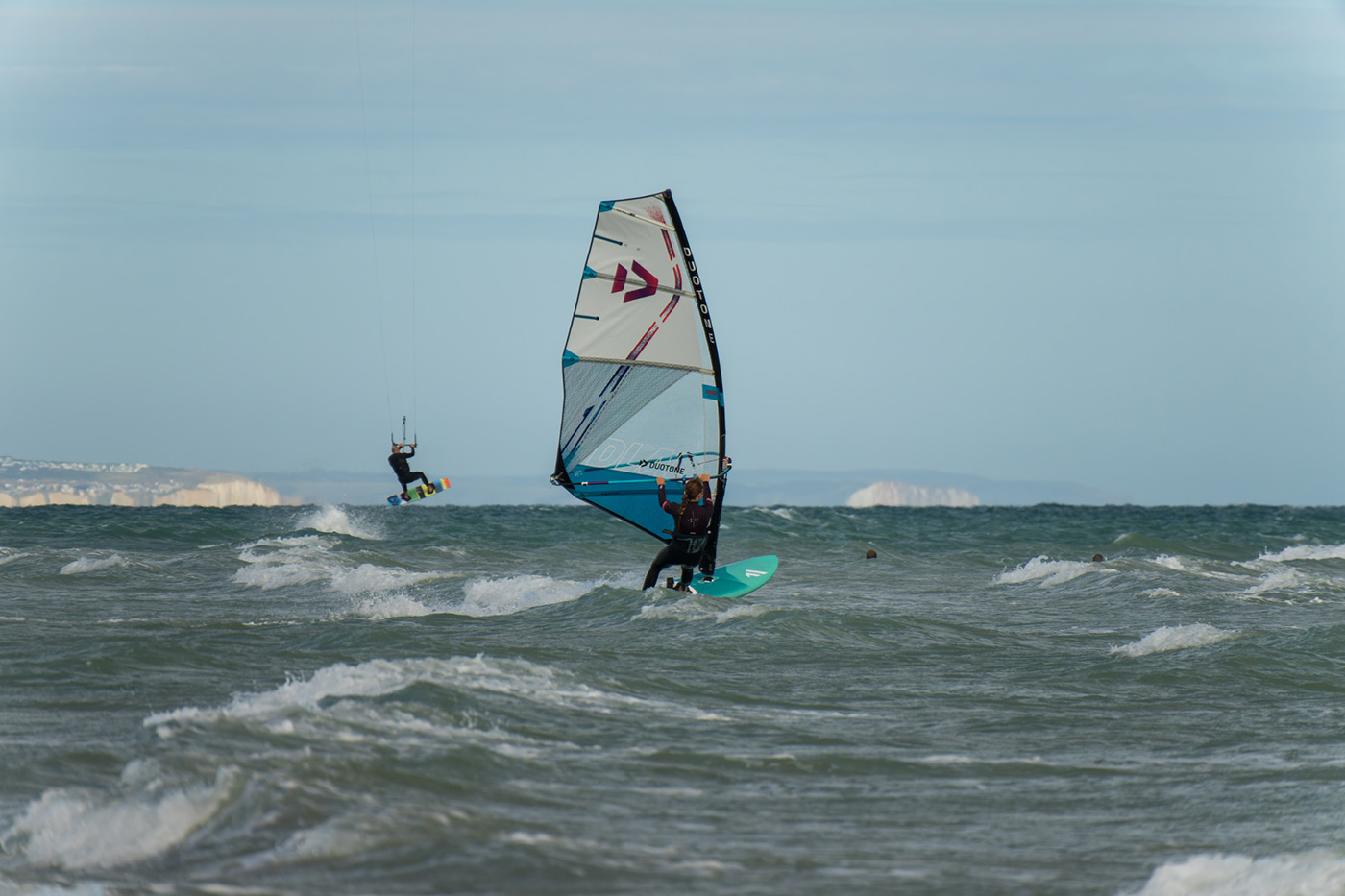
Sample 12 Wind and Kite Surfers @300mm Camera settings: 1/1000 sec. f/6.7. ISO 400
Final thoughts
The Sigma 16-300mm is undoubtedly the best travel lens that many users will ever need. It is compact and lightweight, with excellent image quality in the centre of the frame, even wide open. Effective stabilisation and a fast, near-silent AF system make it capable of capturing action and wildlife, while the rounded aperture and huge zoom range cover everything from close-ups to portraiture and much more.
Depending on the camera you shoot with, this may well be the best crop sensor lens you can get, certainly in terms of versatility. It deserves to be very high on your shortlist, particularly if paired with one of Sigma’s compact primes, such as the 56mm F1.4 Contemporary. This would give you a low-light solution for evenings, portraits and interiors when you need extra light-gathering prowess.
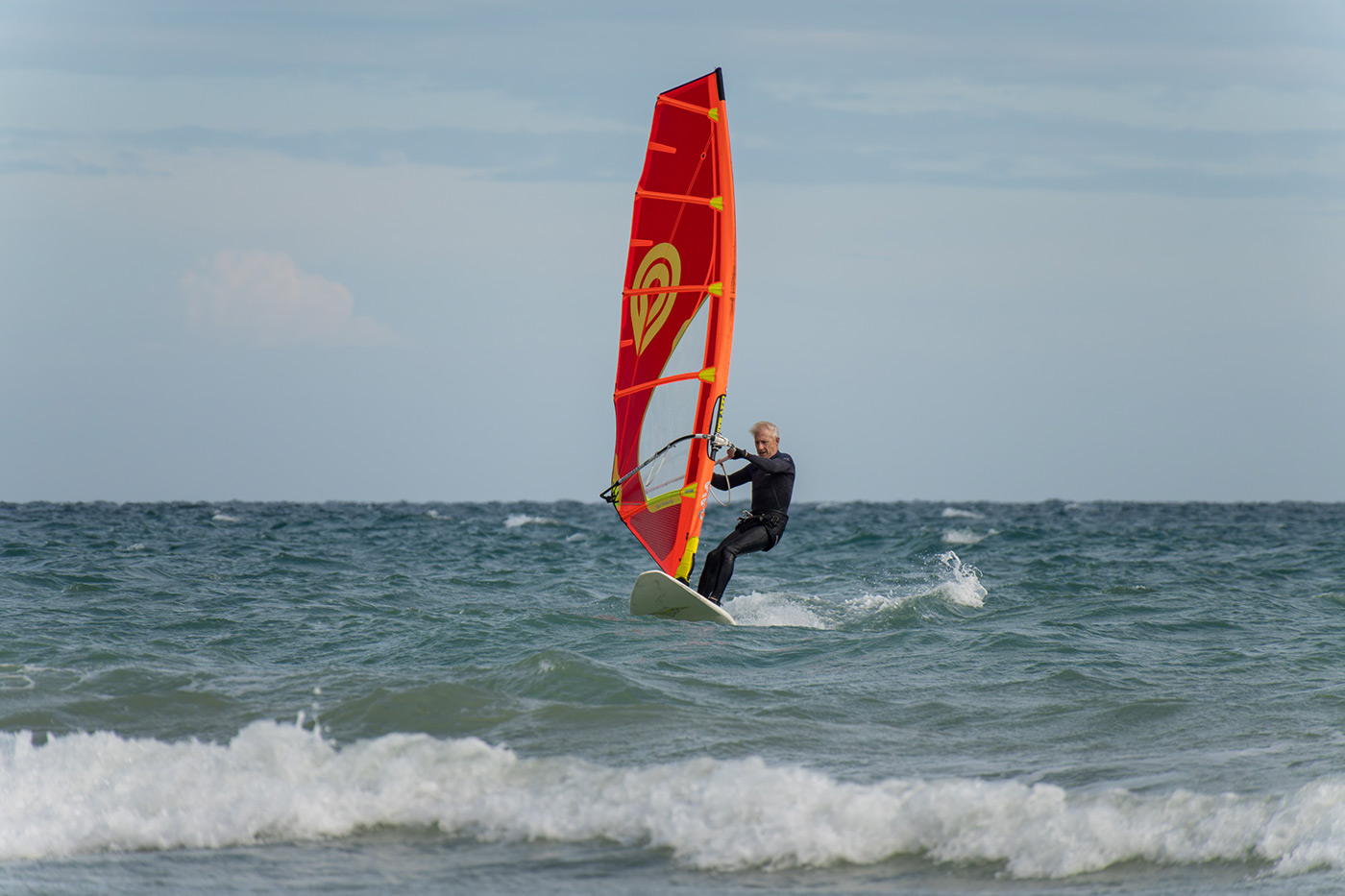
Sample 13 Solo Wind Surfer @300mm Camera settings: 1/1000 sec. f/6.7. ISO 500
Shop for the following mounts and take your photographic journey to new destinations with this highly effective all-in-one crop sensor lens:
- Sigma 16-300mm lens for Canon RF
- Sigma 16-300mm lens for Sony E
- Sigma 16-300mm lens for Fujifilm X
- Sigma 16-300mm lens for L Mount
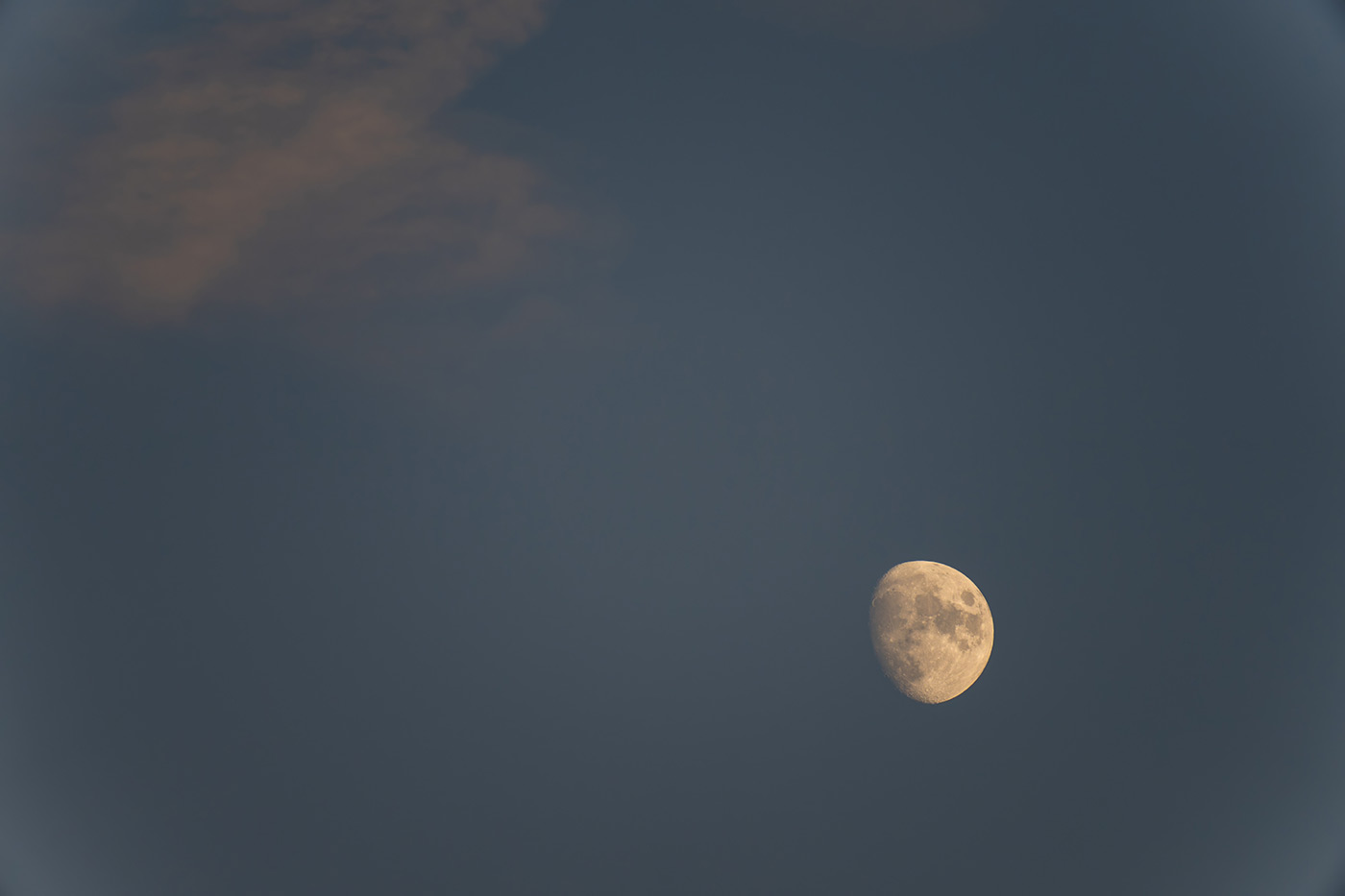
Sample 14 Moon @300mm Camera settings: 1/250 sec. f/6.7. ISO 250
We also review the Sigma 20-200mm f/3.5-6.3 DG Contemporary, which is the full-frame equivalent of this crop format ultra-zoom.
Share this post:
By Nick Dautlich on 30/06/2026

Nick Dautlich
Senior Content Writer and Product Reviewer
Nick Dautlich is the Senior Content Writer and Product Reviewer at Park Cameras, with over 15 years of photography experience. A Sony Imaging Professional and expert reviewer, Nick has worked with major brands such as Canon, Sony and Nikon. His work is also featured on Vanguard World UK’s website, Capture Landscapes, and Shutter Evolve. Nick’s photography includes National Trust projects and magazine covers and he is passionate about landscapes and storytelling. Nick also enjoys hiking and teaching his children about nature. Learn more on his profile page.
Trade in your old equipment
Fast and easy trade in service ensures your old gear is collected efficiently and you are paid quickly! It's very simple to trade in your unwanted photography gear. Just head over to our dedicated Sell or Part Exchange page, fill out the details, and we'll get back to you with an offer for your old gear. Take the cash, or put it towards the cost of your new gear. It's up to you! Find out more
sign up to the newsletter
Keep up to date on the latest photography news, events and offers. Sign up now