- Call us 01444 237070

-
- Back
- Used Cameras
- Used Accessories
- Used Lenses
- Back
- Used Canon Lenses
- Used Nikon Lenses
- Used Fujifilm Lenses
- Used Sony Lenses
- Used Micro 4/3rds Lenses
- Used Leica Lenses
- Used Panasonic Lenses
- Used Pentax Lenses
- Used Samyang Lenses
- Used Sigma Lenses
- Used Tamron Lenses
- Used Tokina Lenses
- Used Voigtlander Lenses
- Used Zeiss Lenses
- Used Hasselblad Lenses
- Used Video
- Used Film Equipment
- Used Stock Alert
- Used Blank Test
- Sell or Part Exchange
- Used Clearance
- Recently Added Used Equipment
- Park Picks
- Faulty
- Trade-In
- Blog
- New in
- Call us
- Contact us
- Stores
- Sign in
- Categories
- Tips & Inspiration
- Reviews
- News
- Events
- Features
- Buying Guides
- Competitions
Is the Original Nikon Z5 Worth Buying
With Used Week just around the corner, we thought it was the perfect time to revisit one of the most successful first-generation mirrorless cameras from Nikon. The Z5 is popular with beginners and enthusiasts, offering an accessible route to full-frame Z-mount cameras, however when the Z5 II launched, it understandably stole the limelight.
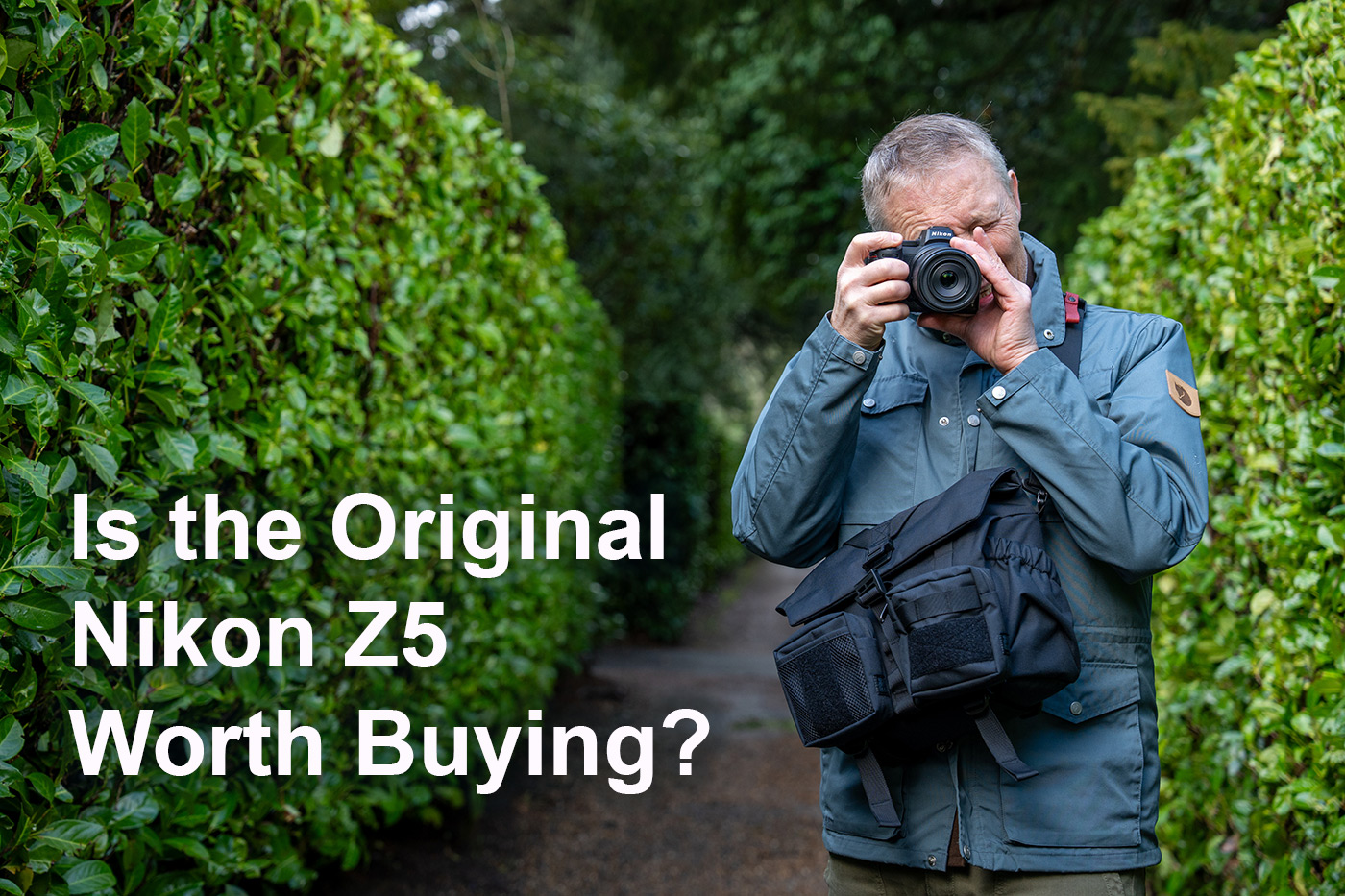
Despite dating back to 2020, the Z5 gen. 1 still offers capable features with relatively simple controls that don’t require such a steep learning curve, unlike some of the mid to pro-level cameras in the line-up. But how does it stack up today, and is the original Nikon Z5 worth buying?
Find out in our hands-on guide, which includes plenty of real-world Z5 sample images, along with key features and capabilities to help you decide if this could be the perfect option for your photography.
So if you’re considering a budget second-hand Nikon camera, join us as we discover more about handling and whether this should still be on your shortlist in 2026.
It’s worth noting that this is one of four related posts exploring used cameras and lenses, and whether you should convert DSLR lenses to the Nikon Z-mount or go native. Look out for those, but we’ll begin with how this model fits into the range.

Sample 01 Nikon Z5 Robin with Nikon Z 24-200 mm f/4-6.3 VR Lens @200mm. Camera settings: 1/400 sec. f/6.3. ISO 360 (right click to open larger)
Where does the Nikon Z5 fit in today?
Before getting started, here’s a quick overview of this camera for beginners. The full-frame Z5 was released in 2020 and has seen a number of firmware updates since launch, improving features and usability. It is recognised for offering easy handling, good ISO performance, and fantastic image quality for its class.
Whether you like to photograph landscapes, portraits, wildlife, or more general subjects, the 24.3MP sensor offers enough resolution and dynamic range to produce detailed images for editing and cropping.
As newer mirrorless cameras continue to steer the market, the Z5 proves there is still demand for a capable budget camera that can deliver great results across a range of photographic styles. But how much can you expect to pay for it now? Let’s find out next.
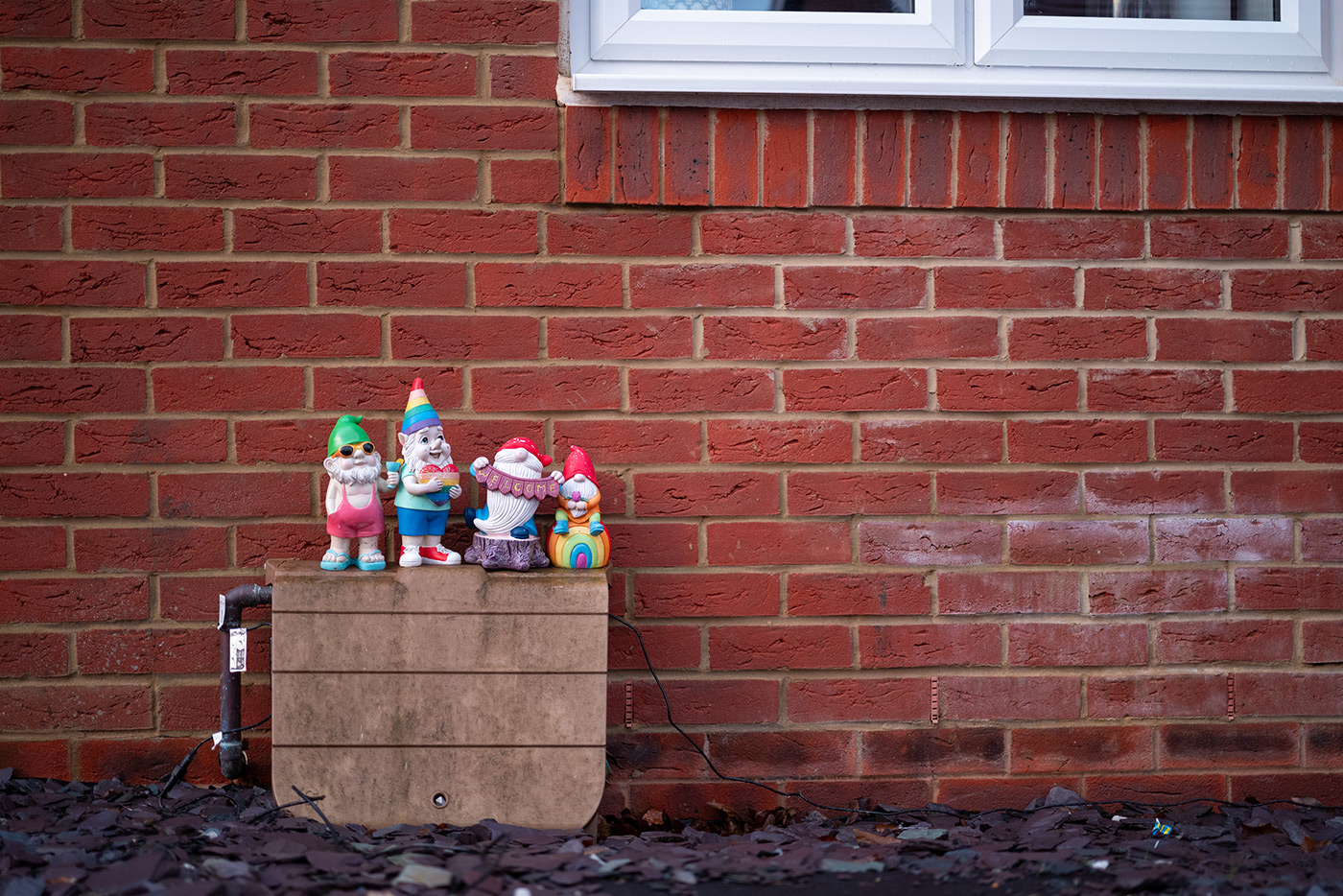
Sample 02 Nikon Z5 Gnomes with Nikon 50mm f/2.8 Z MC Macro Lens. Camera settings: 1/125 sec. f/2.8. ISO 900 (right click to open larger)
How much is a Z5 and should you buy used?
You can’t get a new Z5 any longer, however a used Nikon Z5 costs from around £500.00 depending on condition, which is exceptional value considering it was £1,399.00 at launch. It’s also around £1000.00 less than gen. II, which frees up budget for a lens or two.
Choose lenses related to the subjects you like to capture, and note that there are lots of used Nikon lenses, often providing better value for beginners and enthusiasts who are on a budget. More about that later.
Buying a second-hand camera is a good way to save money while still enjoying peace of mind from a warranty when buying from a trusted supplier like Park Cameras. Our blog post should you buy used camera equipment? goes into more detail about what to look for and how to navigate the second-hand market.
So we know it’s a bit of a steal, but how about features? Let’s check them out next.

Sample 03 Nikon Z5 Portrait with Nikon Z 24-200 mm f/4-6.3 VR Lens @130mm. Camera settings: 1/200 sec. f/6.3. ISO 450 (right click to open larger)
What are the best Nikon Z5 features?
The Z5 is a general-purpose hybrid camera, which means you can broadly capture any subject you choose, without it being specifically refined for any one thing in particular.
In order to achieve this, the Z5 has comprehensive features for photo and video content creation, including:
- A 24.3MP FX-format (full-frame) CMOS sensor with good detail and dynamic range, which is comparable to the D750 sensor and makes for a great entry to full-frame photography.
- EXPEED 6 image processor for fast performance, which is noticeable when the camera starts up and when reviewing shots.
- 3.2-inch tilting touchscreen LCD for high and low shooting angles, although it lacks the full articulation of the newer model.
- 4K UHD video recording at up to 30fps, which is adequate for learning video making and producing high-quality results for social media.
- Autofocus with 90% sensor coverage and Eye-Detection AF and Animal-Detection AF (more on AF later in the guide).
- Native ISO range of 100-51,200. Although it’s not the best camera for low light, it does cover a relatively wide range of shooting conditions.
- 4fps continuous burst shooting, which is enough to get started with action and wildlife photography.
- Up to 5.0 stops of in-camera VR to compensate for camera shake when shooting handheld without a tripod.
- Two memory card slots for faster UHS-II SD cards, which provide more than enough speed and capacity for photo and video capture.
- A weather-sealed body that’s tough enough for most UK conditions.
While I didn’t test all of these features individually, I did put the camera through its paces capturing tricky subjects such as woodland birds, birds in flight, as well as more general shooting.
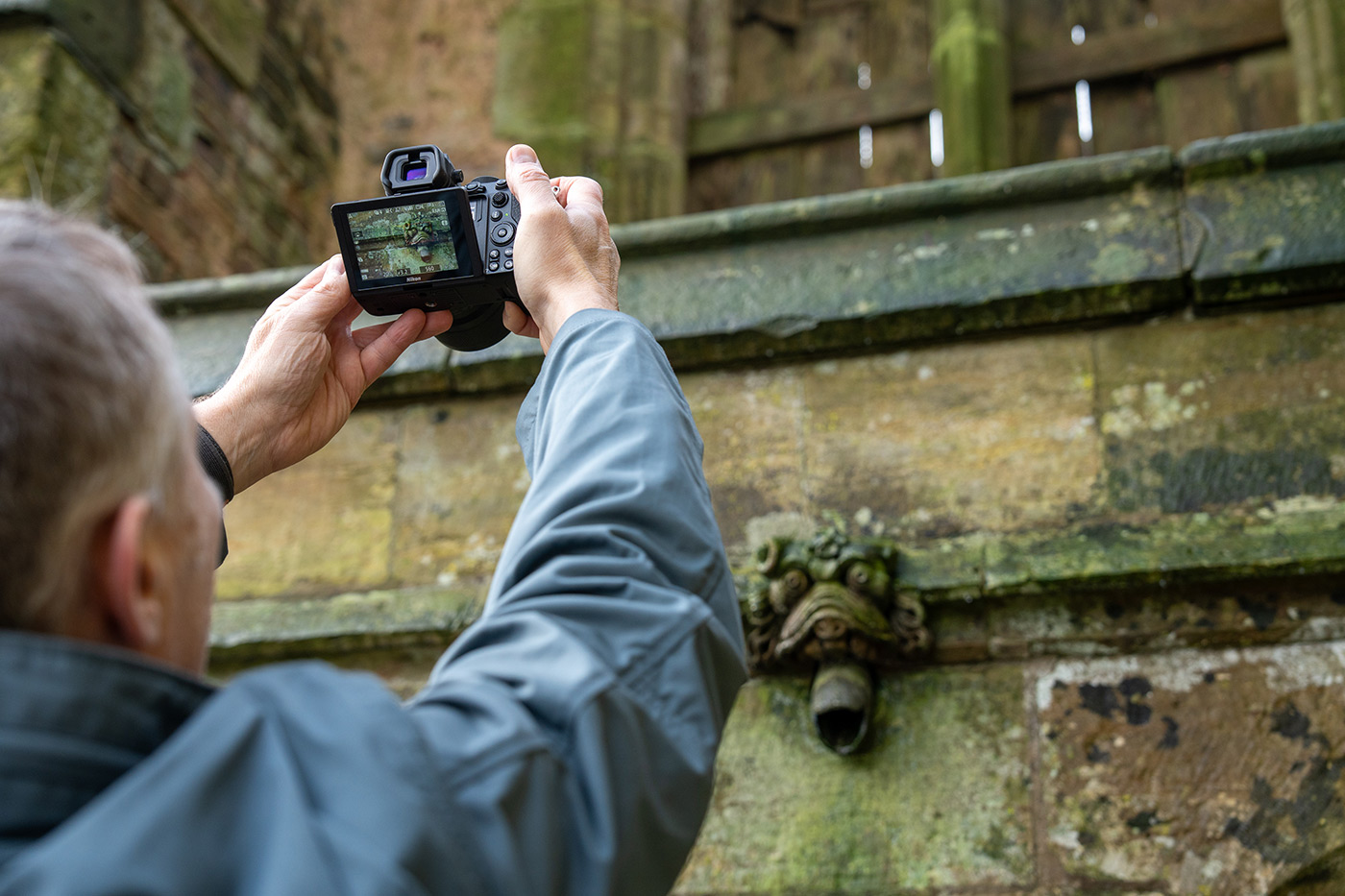
Nikon Z5 sample images
For the purpose of this guide, Nick Dautlich shot using a combination of Manual, Speed priority and Aperture priority modes, during light rain, grey cloud and rare January sunny conditions. This gives you good idea of how the camera responds across a variety of subjects, lighting conditions and modes.
All of the photo samples have been mildly edited to taste, but left uncropped other than where specified. Next, let’s look at how the camera feels in the hand.

Sample 04 Nikon Z5 Mushroom with Nikon Z 24-200 mm f/4-6.3 VR Lens @170mm. Camera settings: 1/250 sec. f/6.3. ISO 800 (right click to open larger)
How is handling and is the Z5 easy to use?
The Z5 has fantastic ergonomics, with typical Nikon-esque handling, that is both familiar to existing users and easy to get to grips with for newcomers. The rubberised, slightly deeper grip sits very well in the hand, allowing for a firm hold on the body without causing finger strain, as some flatter bodies do.
There are plenty of buttons for customisation, ready for when you want to refine handling for your style of shooting, and the LCD and EVF are suitably bright and responsive. I was able to zoom in easily to confirm focus when reviewing shots, and despite the resolution and articulation limitations, it’s perfectly fine for this level of camera.
I did find that I triggered the shutter quite frequently when shifting my grip on the body by accidentally pressing the LCD while touchscreen shutter was enabled, however this feature can easily be switched off.
Speaking of menus, it has the relatively straightforward Generation 1 menu structure, similar to the Z6 and Z7, which is quite easy to navigate and customise. I do prefer the newer version for ease of use, but you’ll get the hang of it quickly, especially with the quick-access, fully customisable “i” menu, which has its own dedicated button.

Sample 05 Nikon Z5 Bush bokeh with Nikon 50mm f/2.8 Z MC Macro Lens. Camera settings: 1/250 sec. f/3. ISO 3200 (right click to open larger)
You can of course change certain settings straight from the body without getting into menus, with a mode dial and exposure composition button, although I personally prefer a dial for EC.
Battery life is very good and rated at approximately 390 shots per charge. Naturally, you’ll want a spare EN-EL15C, but you can expect a full day of shooting from just two batteries in most situations.
While five stops of stabilisation is surpassed these days, the in-body stabilisation is good enough for most needs, helping to capture sharp results for handheld photo and video recording. It’s also worth noting that many entry-level cameras completely lack this feature, so it’s a definite win for the Z5.
All in all, the Z5 is easy to use, with the right balance of features and price, and is more than capable of taking your skills from beginner to advanced before holding you back. But autofocus has moved ahead significantly in the last few years, so how does it perform? Let’s find out next.
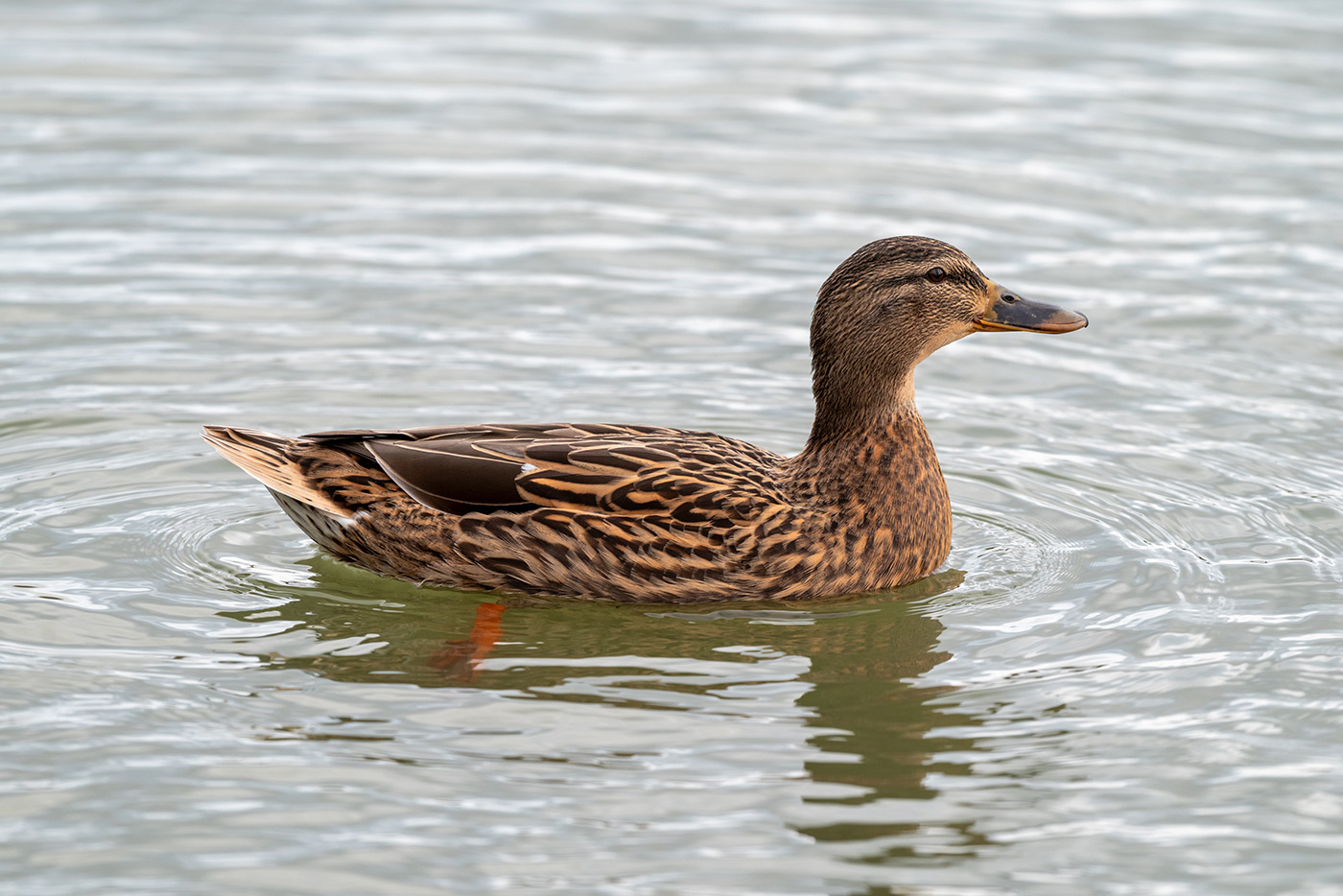
Sample 06 Nikon Z5 Duck with Nikon AF-S 200-500mm f/5.6E ED VR Lens and FTZ @340mm. Camera settings: 1/640 sec. f/5.6. ISO 450 (right click to open larger)
How is Z5 Autofocus performance for real world subjects?
Modern cameras come with incredible autofocus (AF), and despite being relatively old, the Z5 features a good AF system that is able to recognise and track humans and animals. In practice, I found it did a good job, especially if the subject was quite prominent in the frame.
Initially, I found the older face and eye-detection menu selection a little confusing. Despite this, I was able to achieve plenty of sharp results of birds in flight, focus on subjects that were partially obscured in the frame, and capture sharp portraits, albeit with some misses, which is to be expected.
The rear panel joystick can be used to switch focus between multiple subjects, which is very easy in practice and handy when there’s a lot to focus on. If you’re new to digital cameras, you’ll likely be impressed, and the Z5 will help you hone your focusing skills, even in faster-paced action.
The lens mounted can make a big difference, as the Z5’s AF system needs reasonably good light to function at its best, so join us as we explore lenses for the Z5.
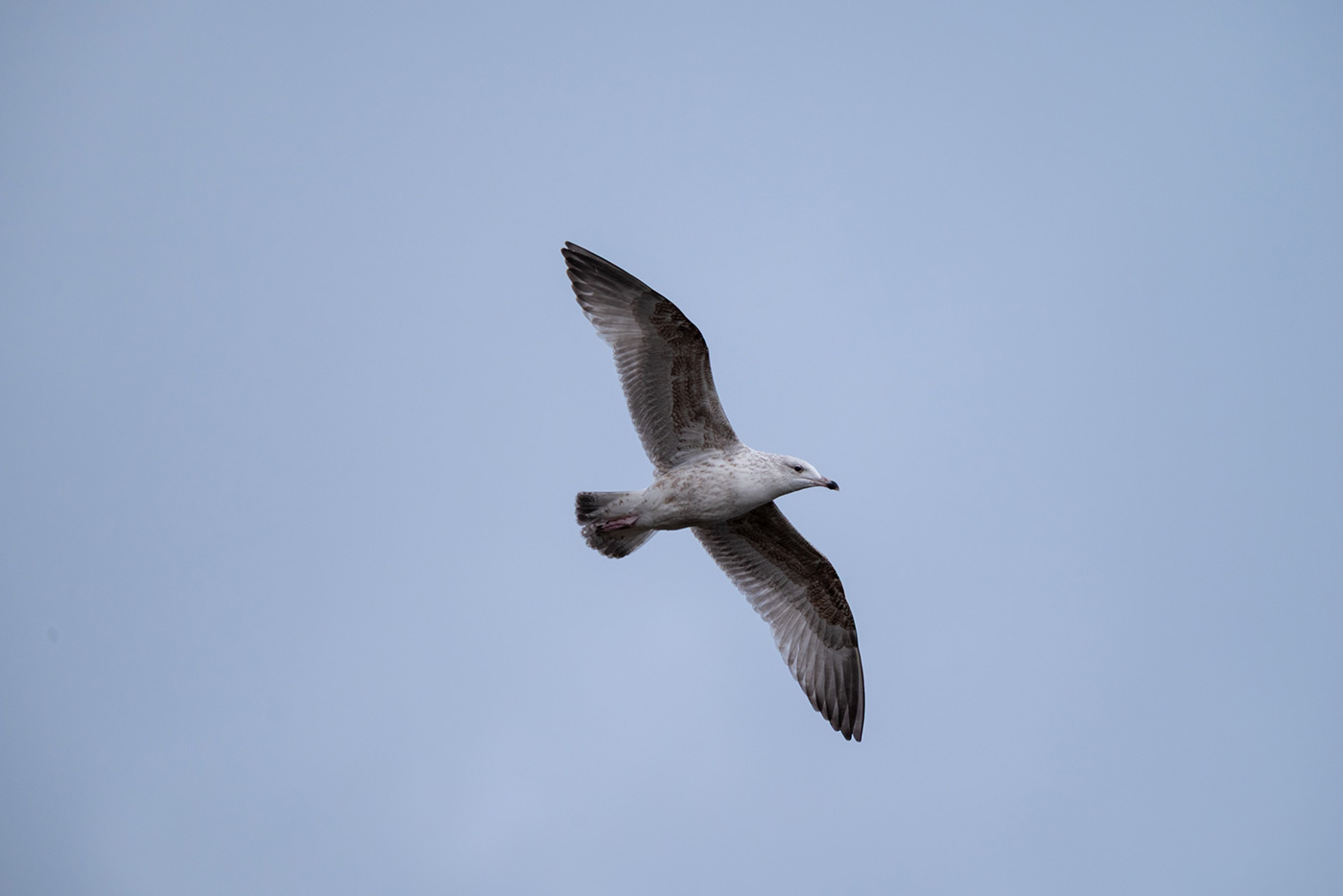
Sample 07 Nikon Z5 Seagull with Nikon AF-S 200-500mm f/5.6E ED VR Lens and FTZ @500mm. Camera settings: 1/1000 sec. f/5.6. ISO 500 (right click to open larger)
Which are the best lenses for the Nikon Z5?
The Z5 is built on the Nikon Z-mount, so you can use any full-frame or crop-format mirrorless Z lens you choose. It’s also compatible with older DSLR lenses with the F-mount, although you’ll need an FTZ mount adapter in order to attach them to the body.
For this guide, I shot with three different second-hand lenses
- Used Nikon 50mm f/2.8 Z MC Macro Lens, which provides good light gathering for low light, a classic focal length for portraits, and the added benefit of close-up capabilities. (Read the post to find out Is the Nikon Z MC 50mm f/2.8 Macro Worth It?)
- Used Nikon Z 24-200mm f/4-6.3 VR Lens, an ultra-lightweight superzoom that was a huge surprise, delivering strong results across a wide zoom range. (Find out: Is the Nikon Z 24-200mm VR Lens Right for You?)
- Used Nikon AF-S 200-500mm f/5.6E ED VR Lens with an FTZ adapter, designed for sports and wildlife. This older F-mount lens is big, heavy, and extremely good, despite being designed for an older system. (How does it perform? Nikon AF-S 200-500mm f/5.6E VR on Z Mount)
The combination of opting for one ‘fast’ or ‘bright’ prime lens plus a lightweight zoom works well, especially for beginners, and makes a very practical setup for day-to-day shooting. The prime lens (like a fixed focal length 50mm lens) lets you capture more controlled images with sharper subjects and smooth, blurred backgrounds, while being general enough for everyday subjects, even in low light.
The Z 24-200mm zoom lens on the other hand, is useful when you don’t want to switch lenses, yet still want to capture subjects from near to far, such as landscapes and wildlife. It doesn’t have the low-light ability of the prime, but it is far more versatile.
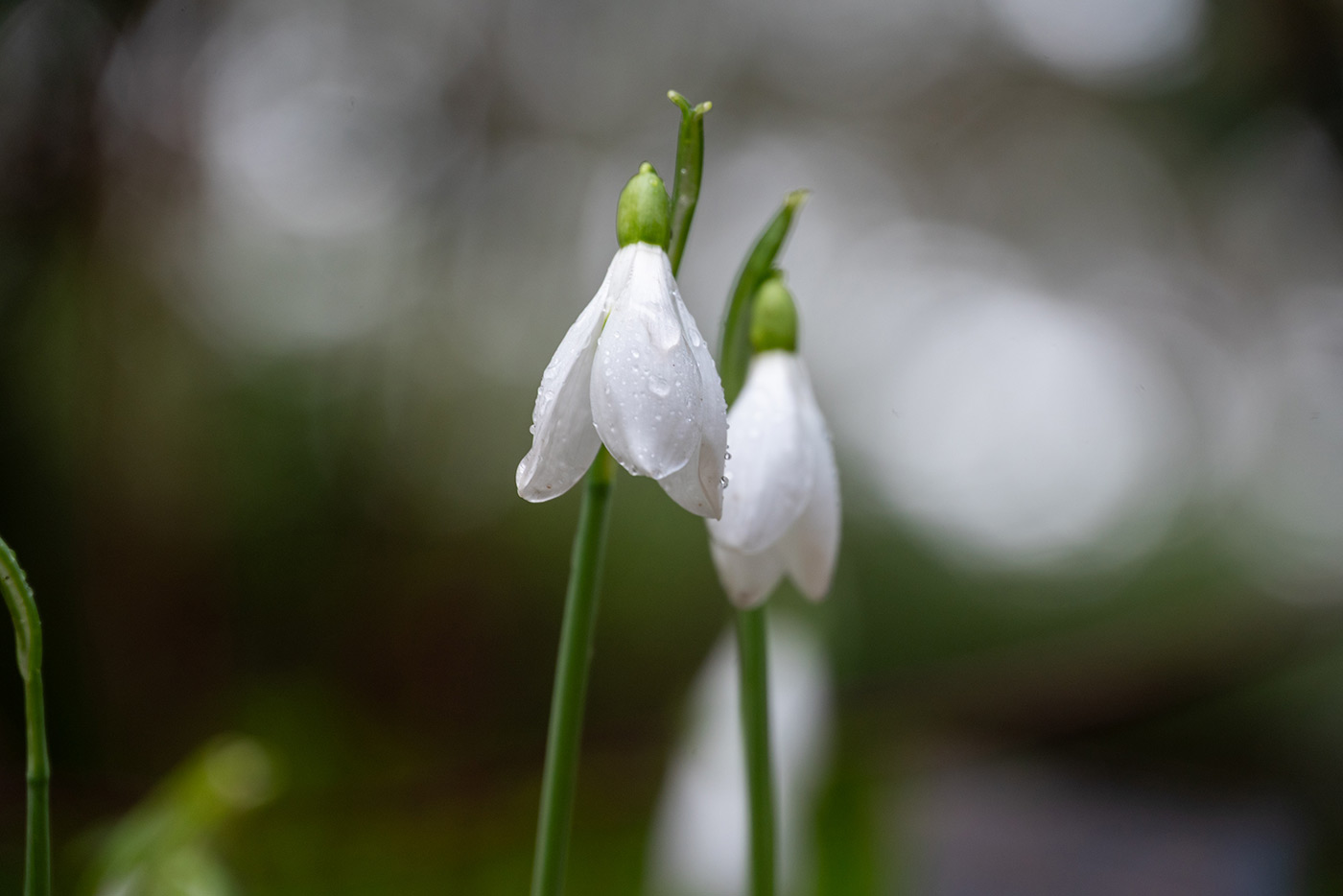
Sample 08 Nikon Z5 Mushroom with Nikon Z 24-200 mm f/4-6.3 VR Lens @170mm. Camera settings: 1/200 sec. f/6.3. ISO 560 (right click to open larger)
The Z-mount is a great choice for beginner photographers and more advanced creators. The full-frame Z5 allows you to experiment with shallow depth of field, and capture a wide range of subjects. There are plenty of high and lower-end lens options allowing you to choose from a selection of new and second-hand models as your shooting style develops.
Lenses are a large part of the image quality equation, which we explore next.
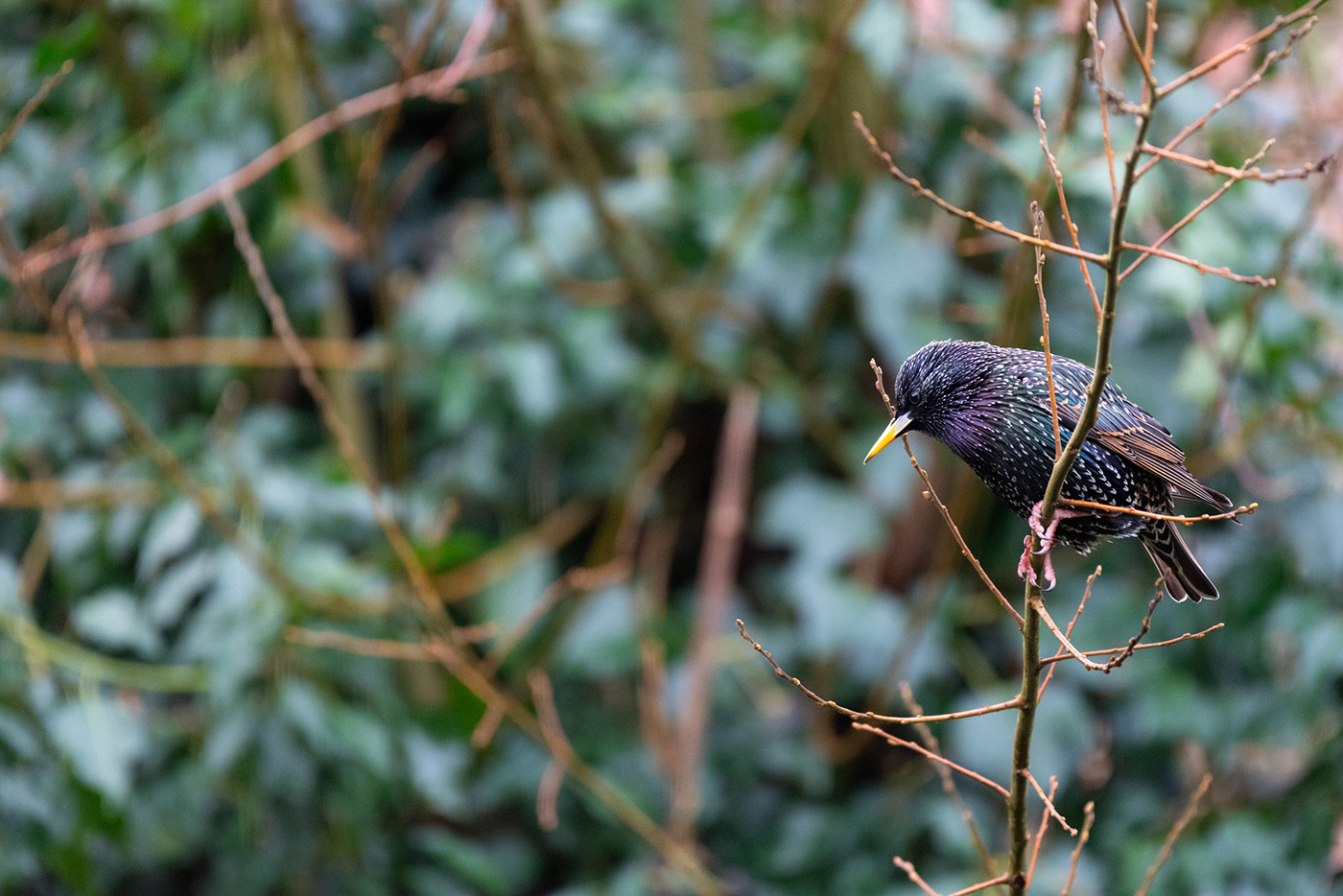
Sample 09 Nikon Z5 Starling with Nikon AF-S 200-500mm f/5.6E ED VR Lens and FTZ @500mm. Camera settings: 1/500 sec. f/5.6. ISO 3600 (right click to open larger)
Z5 Image Quality
The Nikon Z5 offers impressive image quality, particularly for its price. You’ll be able to capture photos and movies you’ll be proud to share on social media, and files that are suitable for printing from a home photo printer if you want.
As mentioned, the choice of lens impacts image quality, as do the camera’s sensor, processor, and IBIS (in-body stabilisation). Hopefully, these sample photos show the kind of image quality the camera is capable of, with some 100% crops included for pixel peeping.
During editing, the files showed good dynamic range, allowing shadows to be brightened without introducing too much noise. Without any editing, noise was quite apparent at values of around ISO 2,500, but was very well controlled at lower values, with no noise reduction required in my opinion at up to around ISO 1600 or ISO 2200.
Colours are natural, with smooth graduations in tone, and there’s enough resolution to crop into a photo if needed. Whether capturing landscapes, birds, or people, I was very happy with the results the Z5 produced, which comfortably exceed anything I’ve achieved with a phone and hold up well against more advanced cameras that cost far more.
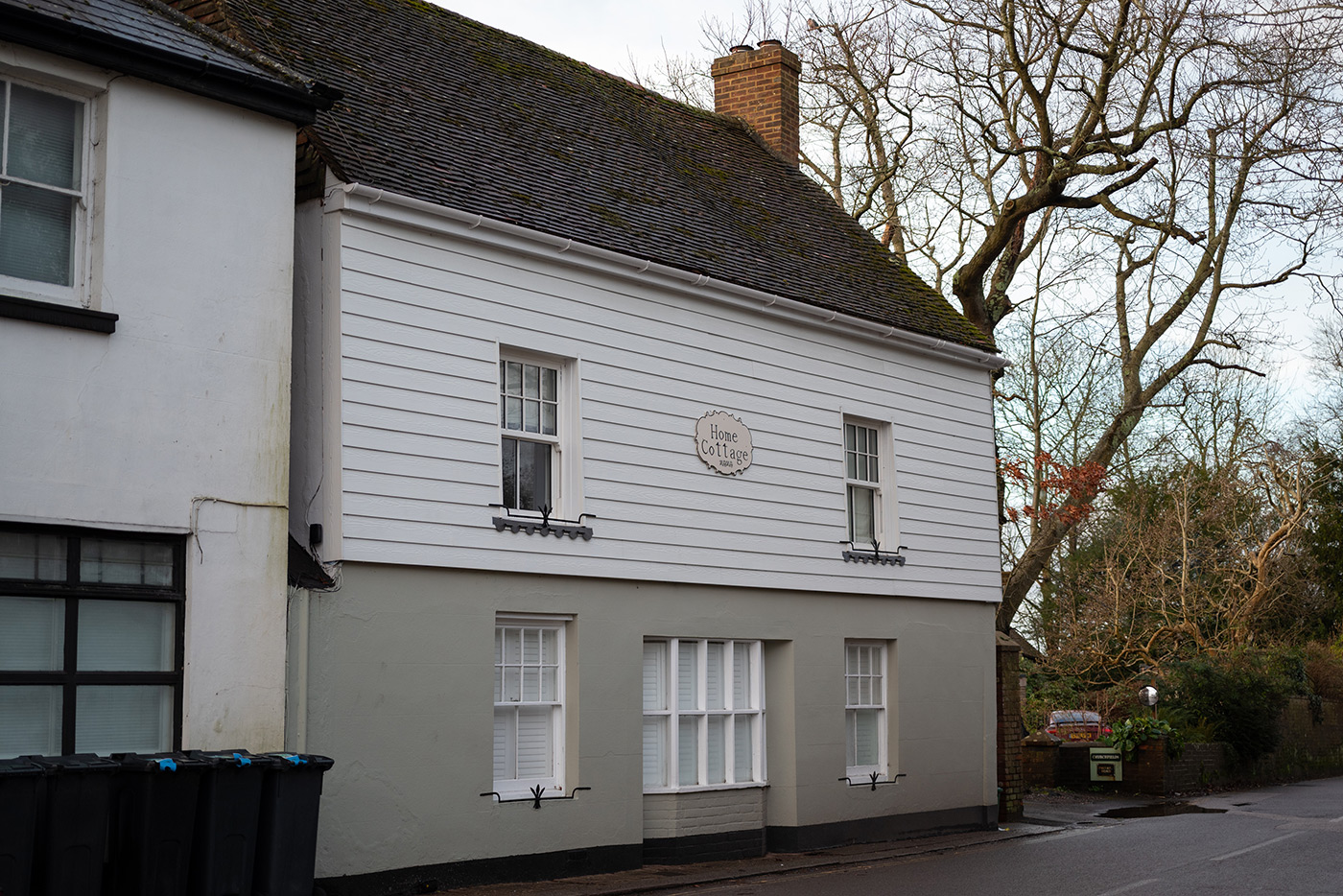
Sample 10 Nikon Z5 Cottage with Nikon 50mm f/2.8 Z MC Macro Lens. Camera settings: 1/200 sec. f/3.5. ISO 180 (right click to open larger)
The Nikon Z5 is a really well-rounded option for photographers who want to get into full-frame content without costing the earth. Image quality is very good for the price, with pleasing colours and effective in-body stabilisation that allows for handheld shooting.
Handling is great too, and the camera is easy to shoot with, even when switching lenses and capturing different subjects. While autofocus isn’t the best, it is reliable enough for general portraits and even for casual wildlife, though it can’t compete with the newer Z5 II for fast action and low light. If I was looking for my first Nikon camera in 2026 this would be high up on my list.
Start your creative journey with a used Nikon Z5 camera, and don’t forget to add a second-hand Nikon lens, or two, as well as spare batteries and other useful accessories you’ll need. For under £1000.00 you could create a brilliant full-frame Nikon kit with everything needed to get fantastic photos, while also improving your skills.

100 percent crop from gnomes image earlier, look at the sharpness and detail at f/2.8!
Share this post:
By Nick Dautlich on 12/02/2026

Nick Dautlich
Senior Content Writer and Product Reviewer
Nick Dautlich is the Senior Content Writer and Product Reviewer at Park Cameras, with over 15 years of photography experience. A Sony Imaging Professional and expert reviewer, Nick has worked with major brands such as Canon, Sony and Nikon. His work is also featured on Vanguard World UK’s website, Capture Landscapes, and Shutter Evolve. Nick’s photography includes National Trust projects and magazine covers and he is passionate about landscapes and storytelling. Nick also enjoys hiking and teaching his children about nature. Learn more on his profile page.
Trade in your old equipment
Fast and easy trade in service ensures your old gear is collected efficiently and you are paid quickly! It's very simple to trade in your unwanted photography gear. Just head over to our dedicated Sell or Part Exchange page, fill out the details, and we'll get back to you with an offer for your old gear. Take the cash, or put it towards the cost of your new gear. It's up to you! Find out more
sign up to the newsletter
Keep up to date on the latest photography news, events and offers. Sign up now