- Call us 01444 237070

-
- Back
- Used Cameras
- Used Accessories
- Used Lenses
- Back
- Used Canon Lenses
- Used Nikon Lenses
- Used Fujifilm Lenses
- Used Sony Lenses
- Used Micro 4/3rds Lenses
- Used Leica Lenses
- Used Panasonic Lenses
- Used Pentax Lenses
- Used Samyang Lenses
- Used Sigma Lenses
- Used Tamron Lenses
- Used Tokina Lenses
- Used Voigtlander Lenses
- Used Zeiss Lenses
- Used Hasselblad Lenses
- Used Video
- Used Film Equipment
- Used Stock Alert
- Used Blank Test
- Sell or Part Exchange
- Used Clearance
- Recently Added Used Equipment
- Park Picks
- Faulty
- Trade-In
- Blog
- New in
- Call us
- Contact us
- Stores
- Sign in
- Categories
- Tips & Inspiration
- Reviews
- News
- Events
- Features
- Buying Guides
- Competitions
Is the Nikon Z 24-200mm VR Lens Right for You
During Used Week, we’ve headed out to explore what you can do with four second-hand Nikon products, with this guide asking, ‘Is the Nikon Z 24-200mm VR Lens Right for You?’ Out of the lenses I explored during the series, this compact Nikon zoom lens was the most surprising.
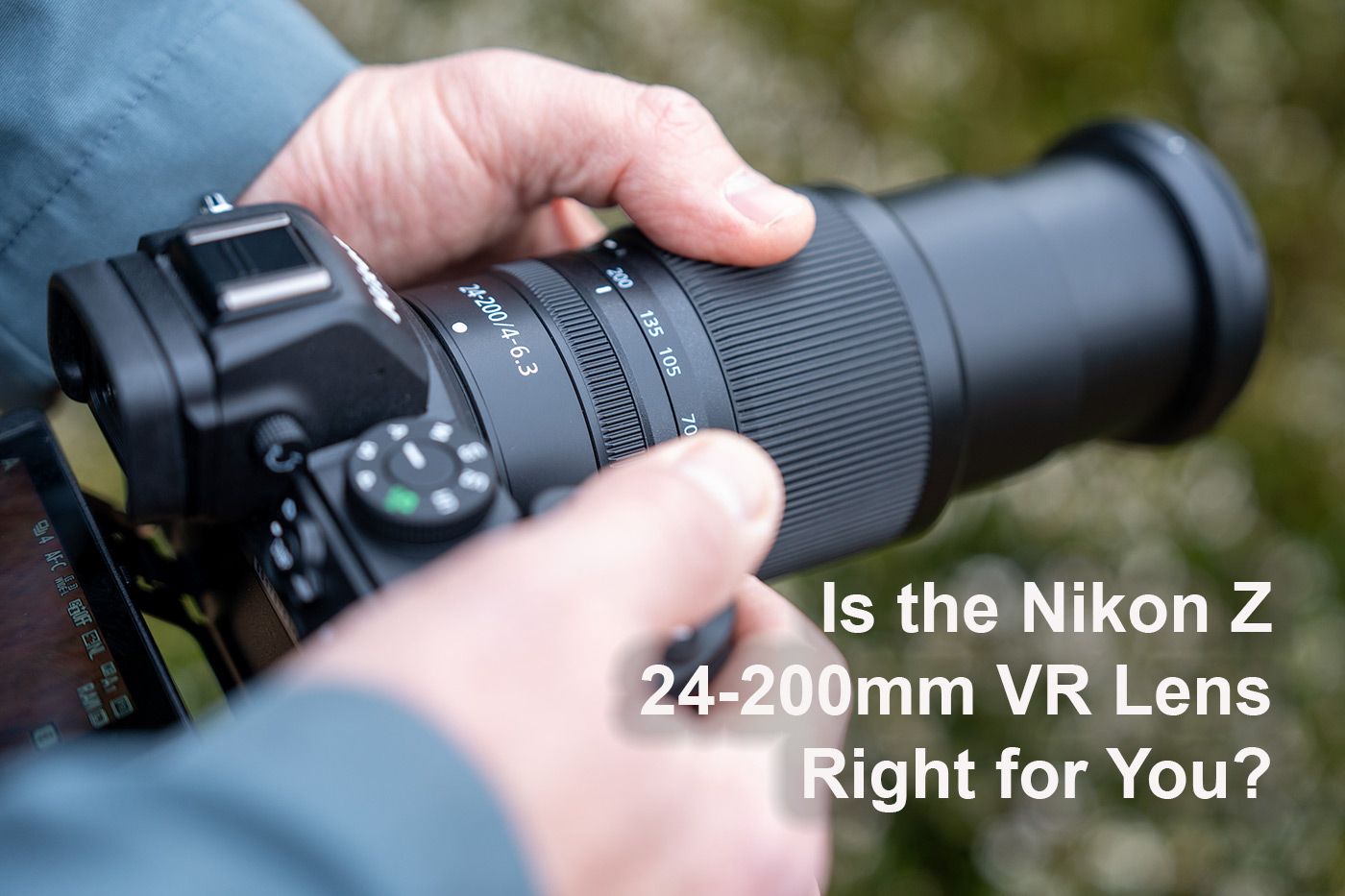
Announced back in February 2020, this was Nikon’s first full-frame superzoom lens for the Z-mount. It’s the kind of model that can be used for a huge variety of subjects, including travel and everyday photography, covering all sorts of storytelling and creativity.
But is it any good, and should you get one for yourself? Find out in this guide, which isn’t quite a Nikon Z 24-200mm review, but is packed with sample images and real-world experiences of this compact all-in-one, starting with price.
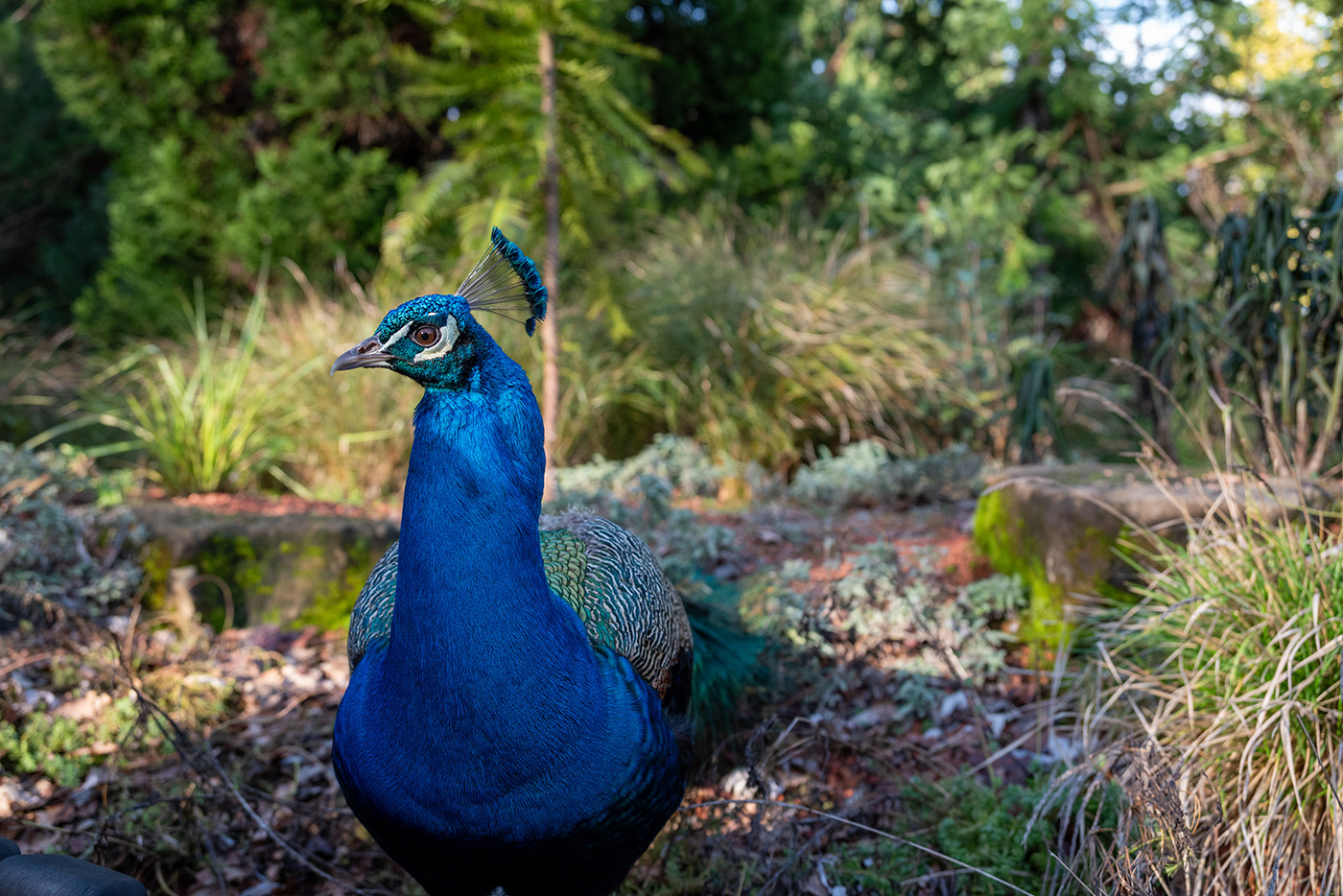
Sample 01 peacock Z 24-200 mm f/4-6.3 VR @35mm with Nikon Z5. Camera settings: 1/500 sec. f/4.8. ISO 800 (right click to open larger)
How much is the Nikon Z 24-200mm f/4-6.3 VR Lens?
A brand new Nikon Z 24-200mm f/4-6.3 VR costs £879.00, which is relatively budget-friendly for a lens of this kind. However, if considering second-hand options, a used Nikon Z 24-200mm f/4-6.3 VR costs from around £485.00, which represents a healthy saving, freeing up cash for lens filters or even a second lens.
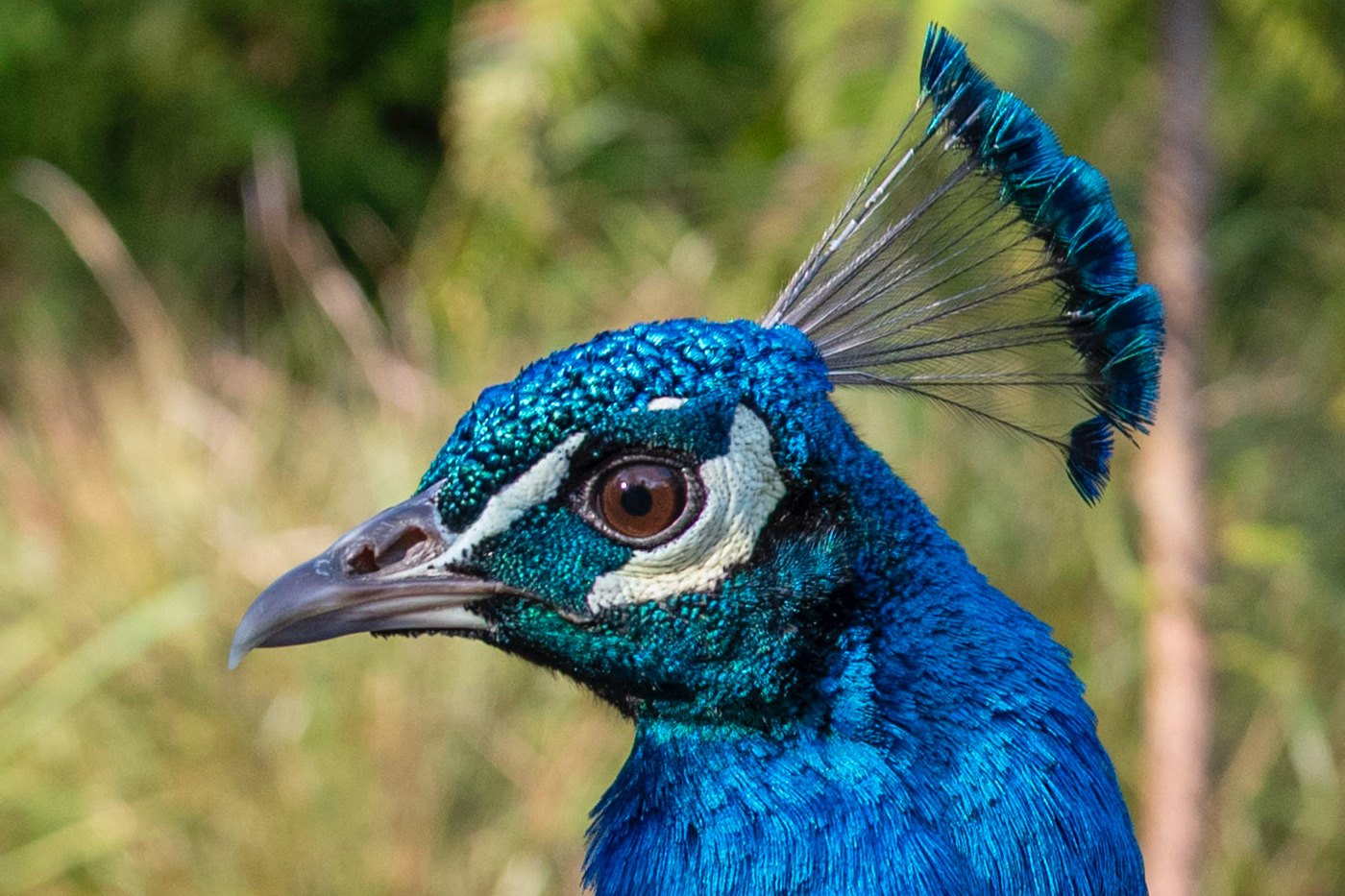
100% crop showing great detail and sharpness from previous image
Nikon Z 24-200mm f/4-6.3 sample images
Nick Dautlich captured a variety of sample images over the course of a few days with the Z 24-200mm while also asking whether the original Nikon Z5 is worth buying, as part of this same Used Week series.
A combination of fully Manual, Shutter Priority, and Aperture Priority modes with Auto ISO was used for the majority of these photos, which have all been edited to taste using basic adjustments.
Conditions were mixed, as you’d expect during a UK winter, with a little sun, generous amounts of rain, and plenty of cloud cover for the rest. Hopefully, the range of sample images provides a good idea of the variety of results you can achieve with this sort of zoom lens in photography, which we look at more closely next.
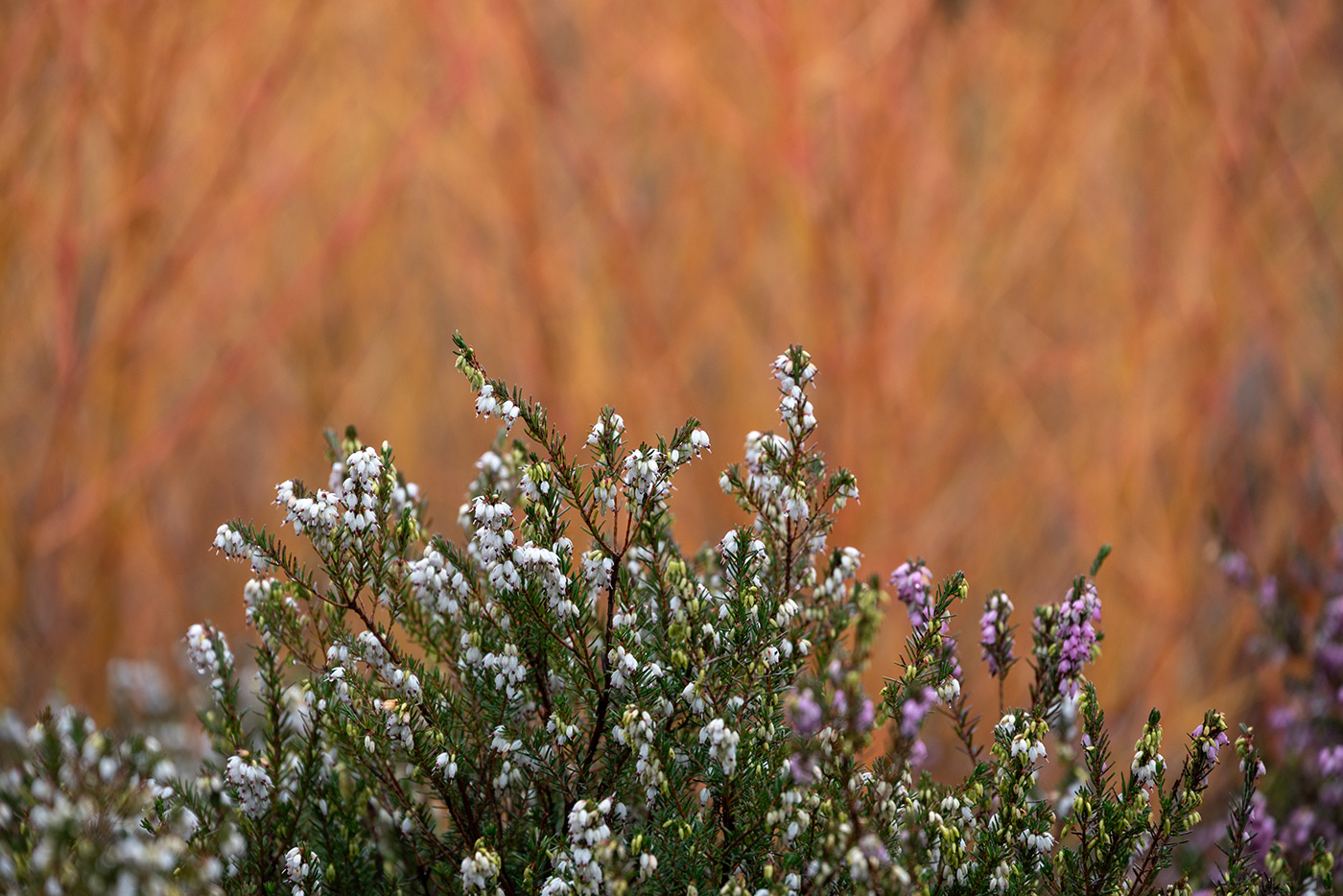
Sample 02 colours Z 24-200 mm f/4-6.3 VR @200mm with Nikon Z5. Camera settings: 1/200 sec. f/6.3. ISO 400 (right click to open larger)
What can you capture with this Nikon superzoom lens?
This is a particularly versatile Nikon all-in-one lens, with a zoom range spanning an ultra-wide 24mm through to a telephoto at 200mm. Common fixed prime lenses that fall within this range include some of the most popular focal lengths, such as 24mm, 35mm, 50mm, 85mm, and 135mm.
Naturally, the Z 24-200mm f/4-6.3 aperture range falls short of what you would expect from any of those primes. However, the zoom range is ideal for a wide variety of subjects, such as:
- Landscapes and city scenes
- Travel
- Street photography and candid snaps
- Portraits, pets and lifestyle
- Family photos and outdoor events
- Snapshots and everyday storytelling
- Nature and closer wildlife photography
Of course, you can shoot much more, such as food photography or black and white images, but this list gives you a good idea of how useful the lens can be. But how about image quality? Let’s find out next.
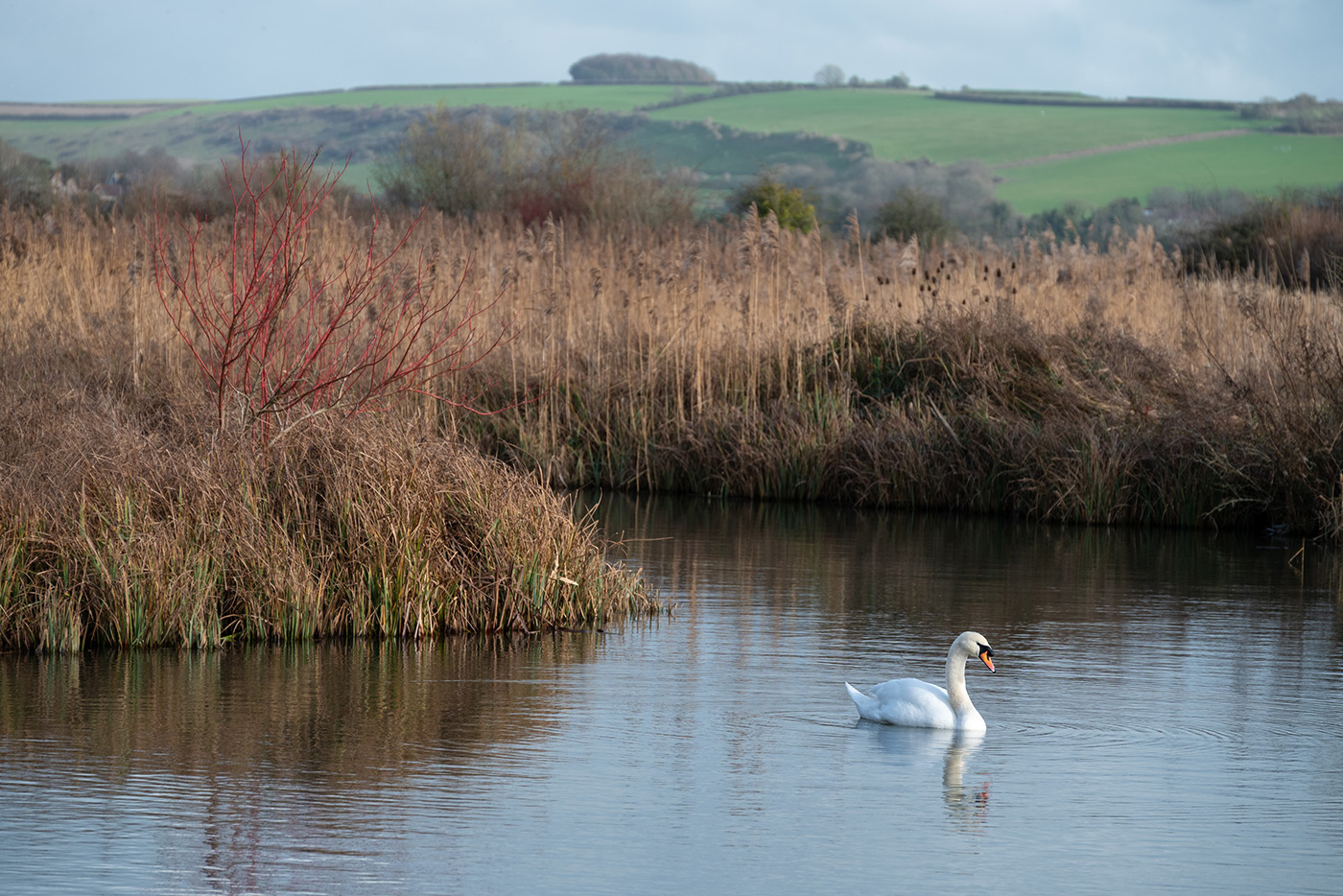
Sample 03 landscape scene Z 24-200 mm f/4-6.3 VR @140mm with Nikon Z5. Camera settings: 1/400 sec. f/6.3. ISO 200 (right click to open larger)
What is the Z 24-200mm f/4-6.3 image quality like?
This is where the Nikon Z 24-200mm f/4-6.3 is pleasantly surprising. The combination of the original Z5 camera and this zoom lens produced some really lovely results, with accurate colour, good contrast and strong levels of detail.
Centre sharpness is excellent across the whole zoom range, even when shooting wide open. The corners go from sharp to a little softer depending on the aperture, but for most subjects it’s more than adequate.
If you do need corner-to-corner sharpness for something like a landscape or city shot, stopping down to around f/8 sharpens things up nicely, which is where many landscape photographers tend to shoot anyway.
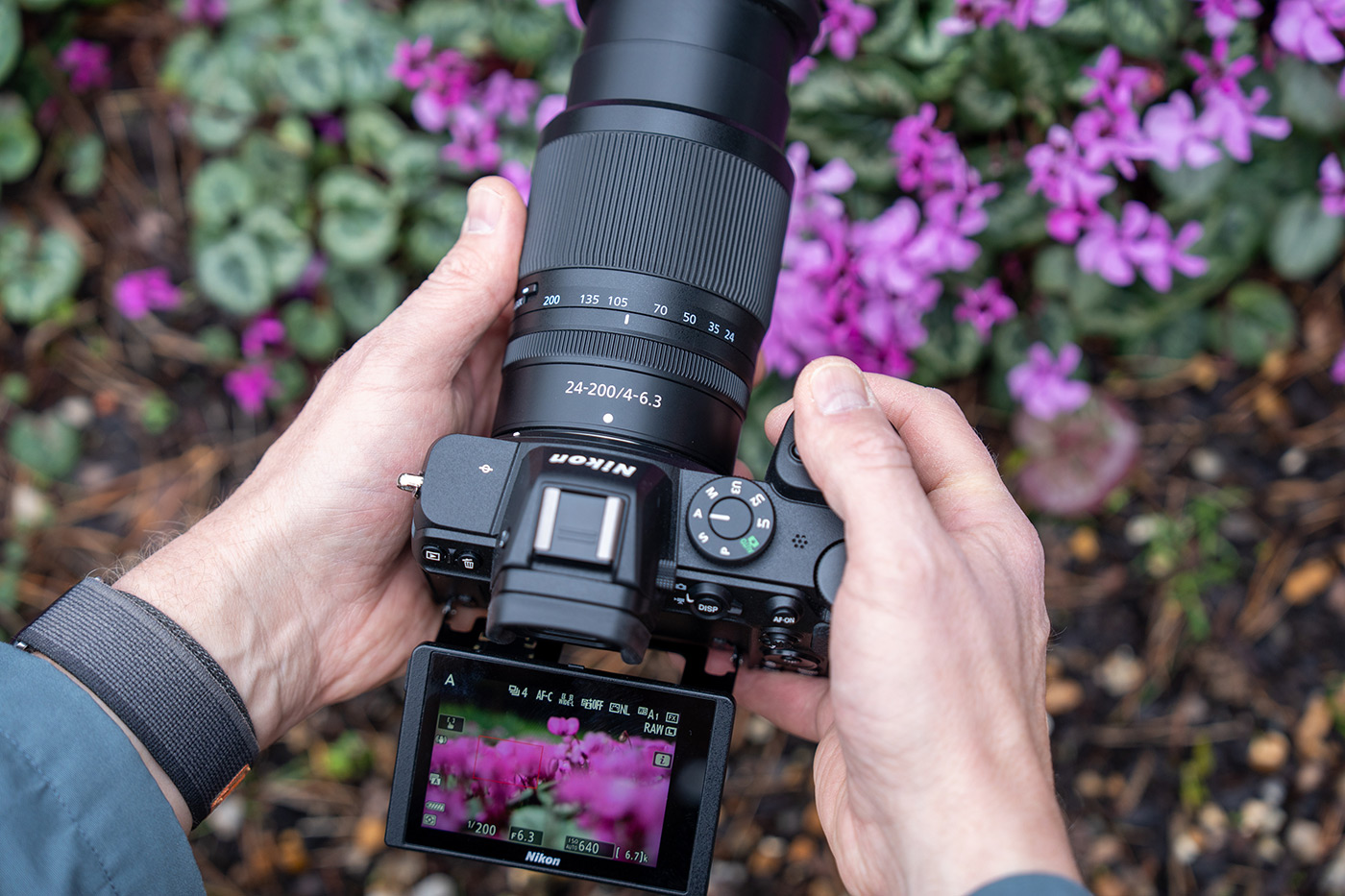
For portraits and images with a prominent subject, the 7-blade aperture and relatively narrow f-stop range might sound limiting. In practice, however, you can still achieve soft defocus in the background with smooth transitions between in-focus and out-of-focus areas. I liked the bokeh in many shots, with smooth circular highlights, although in some situations it looked a little busy.
You will, of course, notice the slower aperture when there isn’t much distance between subject and background, or in very low light. But as far as an all-in-one zoom lens goes, it delivers very good results overall.
It’s got the right balance of lightweight portability and solid image quality for family holidays, travel and everyday photography. So it checks a lot of boxes, but is it easy to use? Let’s find out next.

Sample 04 portrait smooth defocus background Z 24-200 mm f/4-6.3 VR @130mm with Nikon Z5. Camera settings: 1/200 sec. f/6.3. ISO 450 (right click to open larger)
Is it easy to use and reliable?
Considering the expansive superzoom range, this lens is surprisingly easy to work with. While it doesn’t have the build quality or controls found on Nikon’s professional S-line lenses, it is suitably tough and lightweight enough for everyday general use.
The plastic barrel feels solid and is comfortable in the hand, while the zoom ring is large and responsive, even when zooming from near to far.
A customisable ring allows you to adjust pre-selected camera functions, or you can use it as a manual focus ring, depending on how you like to work. There aren’t many other controls, aside from a zoom lock switch to prevent it creeping, which is handy when not in use.
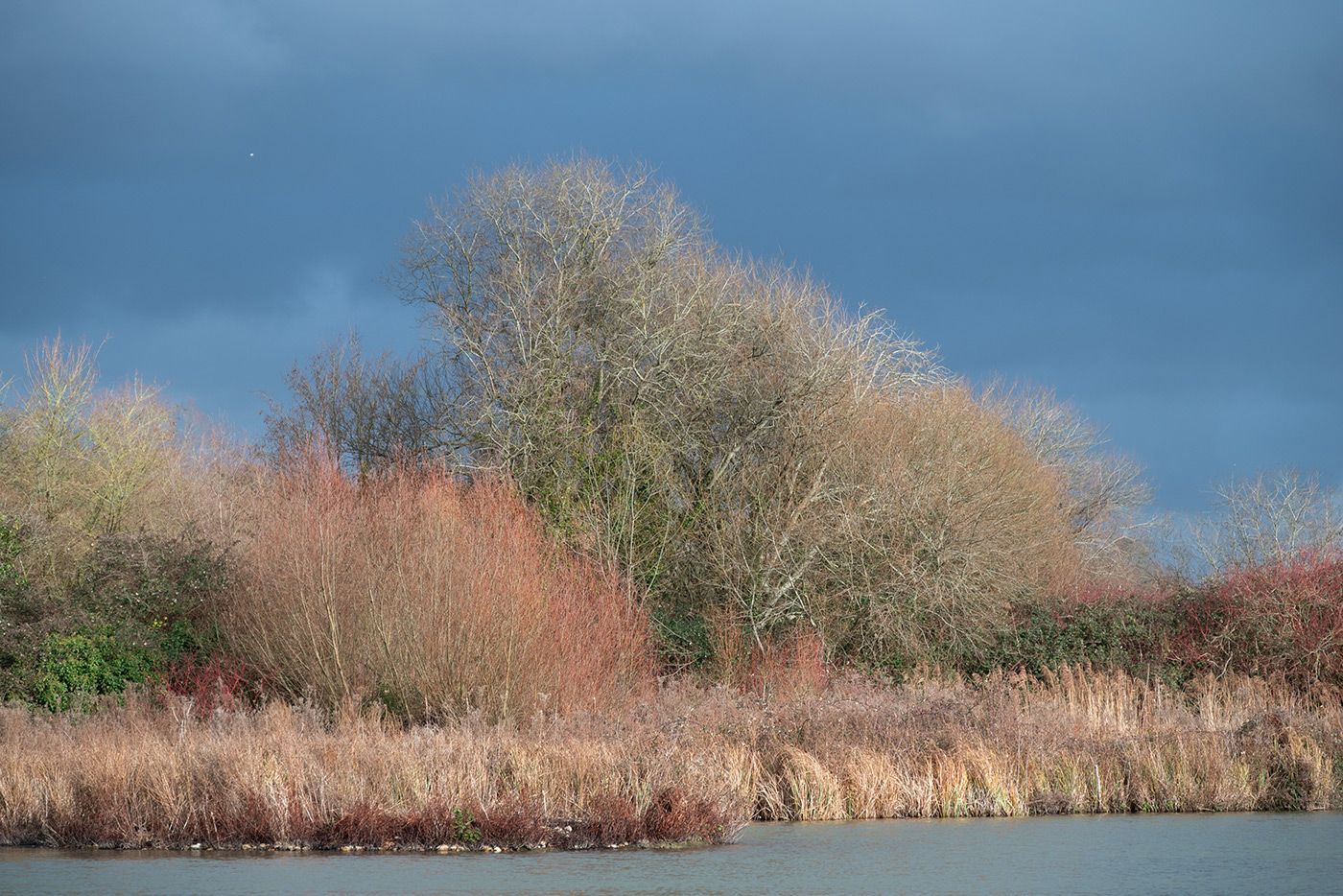
Sample 05 landscape Z 24-200 mm f/4-6.3 VR @130mm with Nikon Z5. Camera settings: 1/400 sec. f/6.3. ISO 180 (right click to open larger)
The lens extends quite a bit when zooming, which isn’t ideal for gimbal use. However, it has very effective vibration reduction (VR), which is Nikon’s terminology for image stabilisation, and it works well for handheld shooting.
The metal Z-mount is weather sealed, so there’s a degree of protection, although I would probably avoid heavy downpours when shooting with this lens. All in all, it delivers a simple and effective shooting experience with fast autofocus, which we explore next.
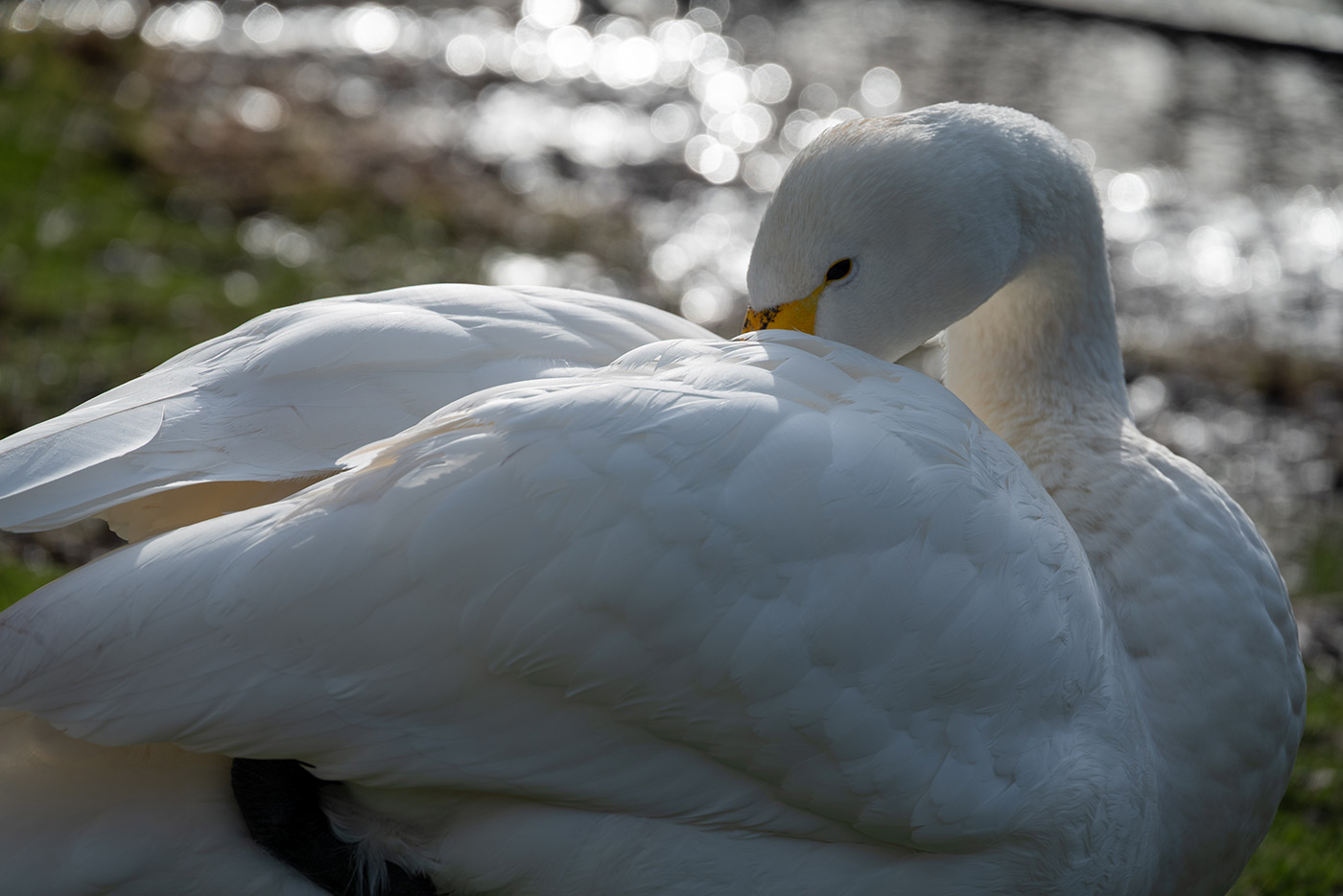
Sample 06 swan bokeh Z 24-200 mm f/4-6.3 VR @200mm with Nikon Z5. Camera settings: 1/400 sec. f/8. ISO 100 (right click to open larger)
Does the Nikon Z 24-200mm f/4-6.3 lens focus quickly?
Capturing fast-moving subjects is easier when your lens has a quick focus system that can work effectively alongside in-camera subject recognition and tracking. The Z 24-200mm offers quick autofocus (AF), keeping up with tricky subjects like birds in flight very well.
Although the Z5 doesn’t include Nikon’s latest-generation tracking, I still captured plenty of sharp results of feeding birds, swans, and people. It focuses about as quickly as the small prime I was shooting with while exploring is the Nikon Z MC 50mm f/2.8 Macro worth It, and is no doubt capable of achieving great results for most subjects you’re likely to encounter.
With all this said, let’s find out what other options are available for the Nikon Z-mount to see whether this is the best zoom lens for Nikon.
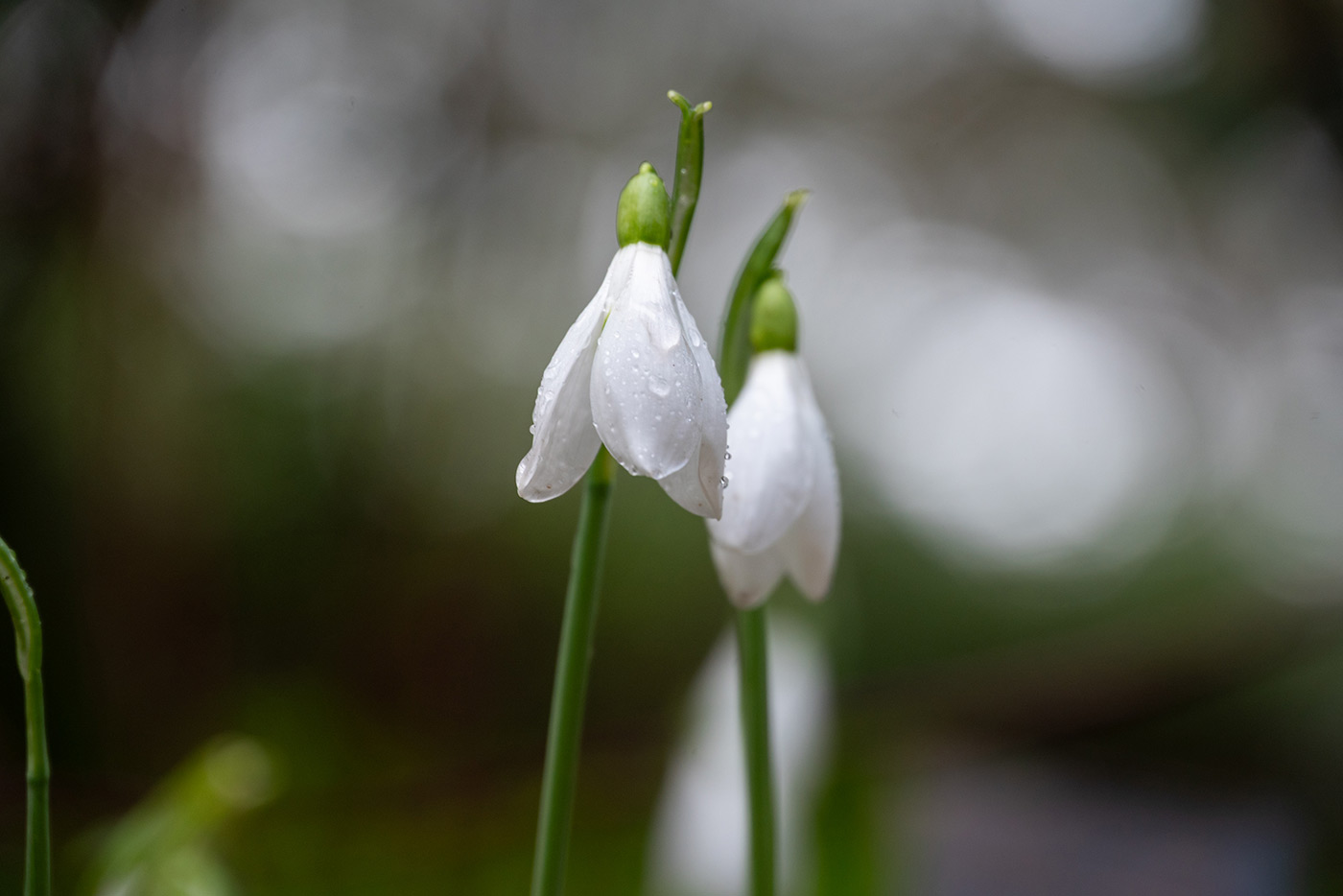
Sample 07 flowers bokeh Z 24-200 mm f/4-6.3 VR @170mm with Nikon Z5. Camera settings: 1/200 sec. f/6.3. ISO 560 (right click to open larger)
Where does it fit into the Z mount range?
Nikon has done an excellent job of covering a variety of zoom ranges with some very compelling lenses for the Z mount. The table below compares three relatively similar options, so you can see whether the quality of the S-Line outweighs the reach offered by the other two lenses.
|
|
|||
|
Release year |
2021 |
2020 |
2024 |
|
Price (UK) |
£1,149.95 |
£879.00 |
£1,329 |
|
Typical used price |
£689.00 |
£569.00 |
£899.00 |
|
Format |
FX (full-frame) |
FX (full-frame) |
FX (full-frame) |
|
Maximum aperture |
f/4 |
f/4-6.3 |
f/4-8 |
|
Minimum aperture |
f/22 |
f/22-36 |
f/22-45 |
|
Lens construction |
16 elements in 13 groups |
19 elements in 15 groups |
21 elements in 15 groups |
|
Special elements |
3 ED elements, 1 aspherical ED element, 3 aspherical elements |
2 ED elements, 1 aspherical ED element, 2 aspherical elements |
4 ED elements and 3 aspherical elements |
|
Angle of view |
FX format: 84° to 20°20’ DX format: 61° to 13°20' |
FX format: 84° to 12° 20’ DX format: 61° to 8° |
FX format: 75° to 6°10′ |
|
Minimum focus distance |
0.35 m |
24 mm zoom position: 0.5 m 200 mm zoom position: 0.7 m |
28 mm zoom position: 0.2 m 400 mm zoom position: 1.2 m |
|
Maximum reproduction ratio |
0.39x |
0.28x |
0.35 x |
|
Diaphragm blades |
9 (rounded) |
7 (rounded) |
9 (rounded) |
|
Filter attachment size |
77 mm |
67 mm |
77 mm |
|
Weather sealing |
Yes (sealed, S-Line) |
Yes |
Yes |
|
AF system |
Dual Stepping Motor (STM) |
Stepping Motor (STM) |
Stepping Motor (STM) |
|
Coatings |
Nano Crystal Coat, ARNEO, fluorine |
ARNEO, fluorine |
N/A |
|
Dimensions |
84 mm x 118 mm |
77 mm x 114 mm |
84.5 x 141.5 mm |
|
Weight |
630 g |
570 g |
725 g |
|
Notes / Special features |
|
|
|
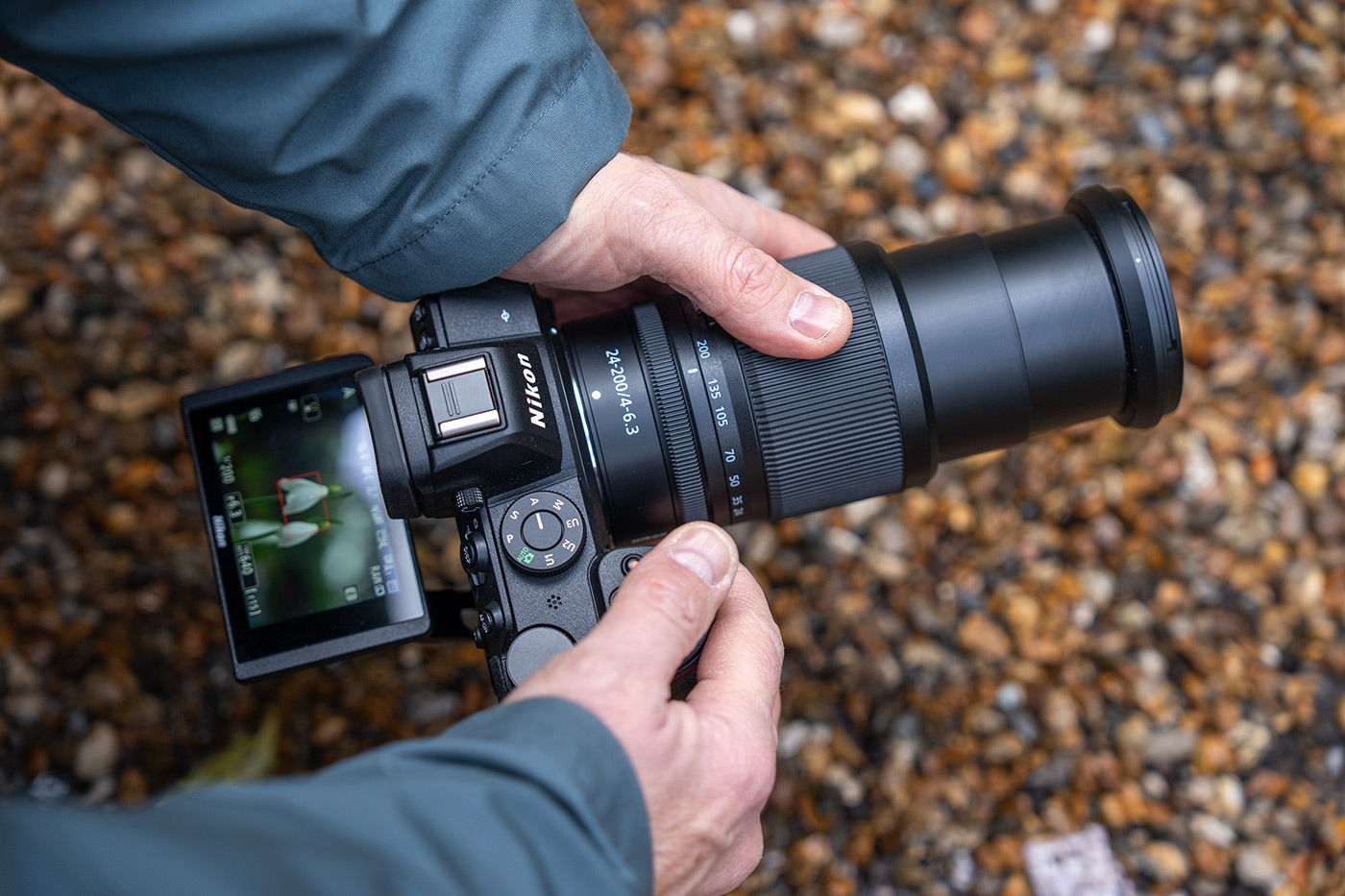
How do these three Nikon zooms compare?
All three offer a broad focal range and are compatible with full-frame Nikon Z cameras, but each is slightly different. The 24-120mm f/4 S offers premium S-line optics and build quality, the 24-200mm f/4-6.3 VR is the lightest for portability, while the 28-400mm f/4-8 VR is all about zoom range and reach. The best Nikon zoom for you depends on how you shoot, as well as these specs. Going through them one at a time:
- The Nikon Z 24-120mm f/4 S is most refined, with a constant f/4 aperture for predictable results, which is better in low light and captures a shallower depth of field. This makes it best for portraits, and any subject where you want the most prominent subject background separation. It’s also the pick of the bunch for close focusing and magnification, extending its versatility to close-up images. Although more expensive when new, it’s far more comparable second-hand, just make sure you’re sourcing it from a reputable seller.
- The Nikon Z 24-200mm f/4-6.3 VR provides a useful zoom range, lightweight 570g build, and great image quality with image stabilisation. While the variable aperture is more limiting than the f/4 S-line lens, it’s a fair trade-off considering the reach and more portable size. As we’ve seen it’s great for travel, family photography, and general use where you want one zoom to cover most situations.
- The Nikon Z 28-400mm f/4-8 VR might be the best choice if you want just one lens for virtually everything, including more distant subjects such as wildlife and sports. Despite this extensive reach, it is quite portable, though it is noticeably larger and heavier than the other two. It’s the newest design too, which includes the latest optics, good quality coatings to improve image quality and quite high magnification for close-ups.
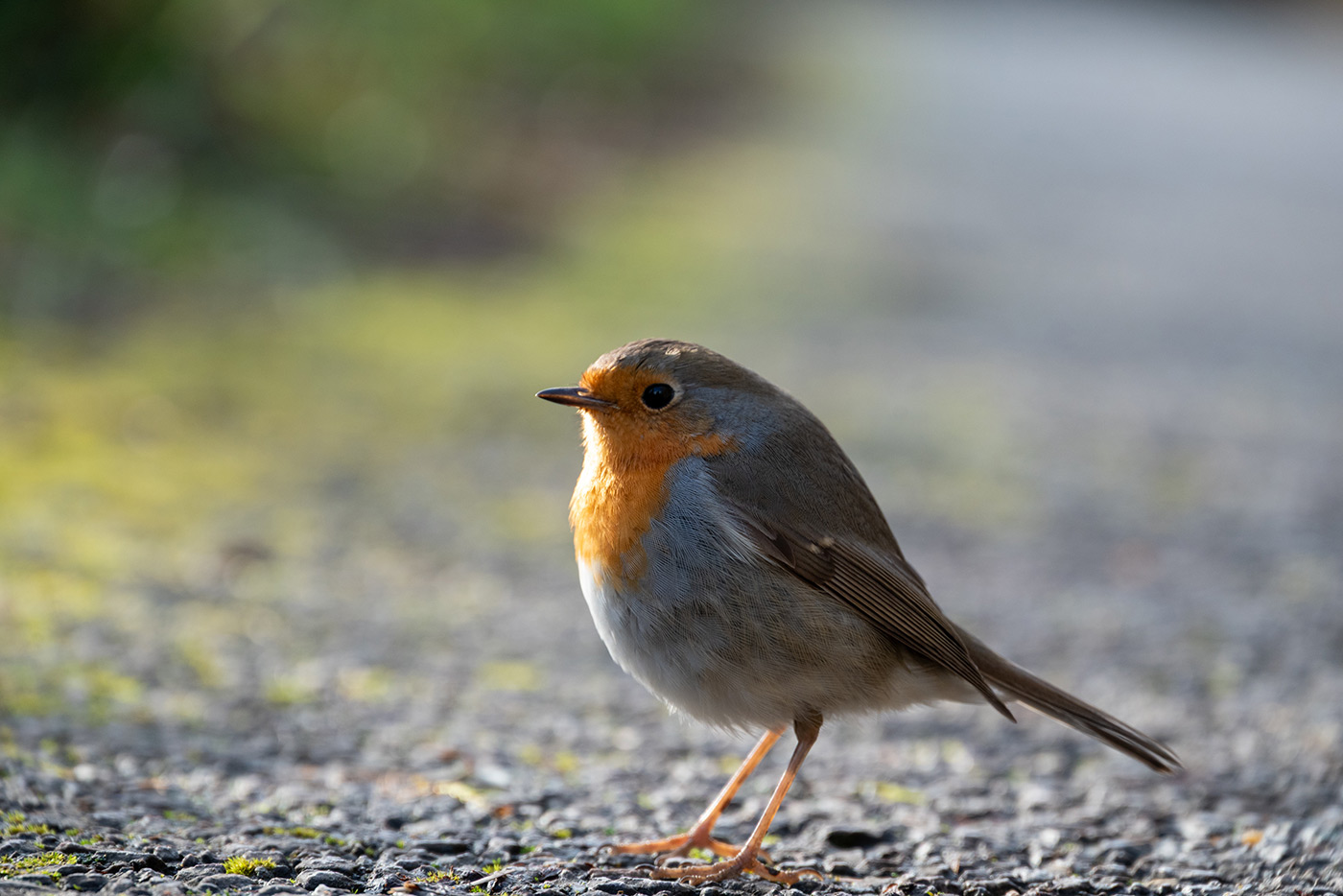
Sample 08 robin close-up Z 24-200 mm f/4-6.3 VR @155mm with Nikon Z5. Camera settings: 1/400 sec. f/6.3. ISO 800 (right click to open larger)
Who should get this lens (and who should avoid it)?
If you’re a beginner or enthusiast who likes to capture a variety of shots from near to far without switching lenses, this could be ideal for your needs. It doesn’t replace a fast prime lens, nor does it do everything a 400mm lens can, but it is a balanced, general-purpose zoom that will satisfy most users.
If, on the other hand, you want stunning portraits with a very shallow depth of field, or a compact lens for street photography, for example, Nikon has better alternatives available.
With such a lightweight design and useful zoom range the Nikon Z 24-200mm f/4-6.3 VR proved to be far more capable than I thought it would be. Image quality is very good, with decent centre sharpness, natural colour and enough background separation at the longer end for portraits and subjects that want to stand out.
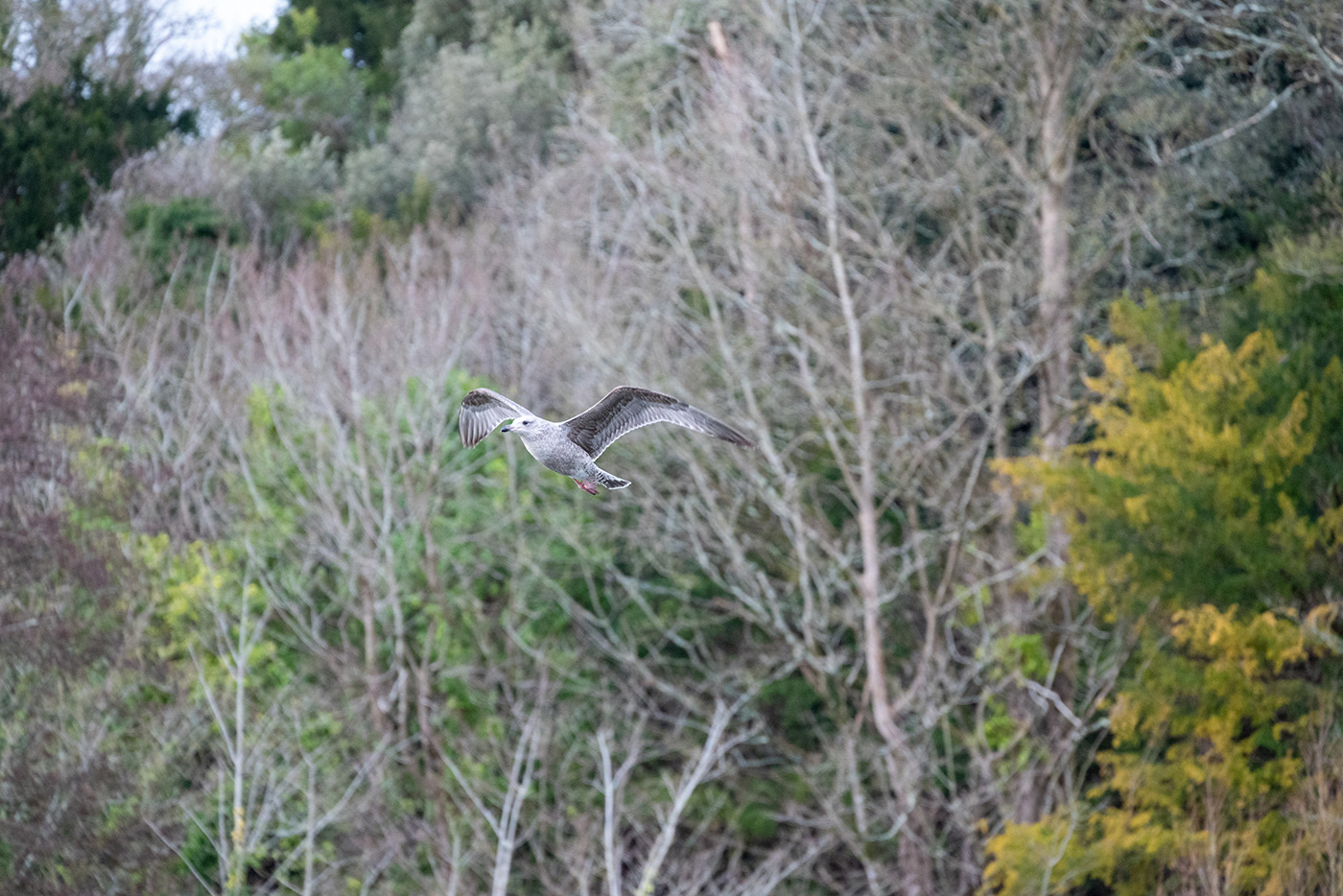
Sample 09 bird in flight Z 24-200 mm f/4-6.3 VR @200mm with Nikon Z5. Camera settings: 1/1000 sec. f/6.3. ISO 3600 (right click to open larger)
It’s not a fast zoom lens, which you will notice in low light, but in most conditions it delivers great results and vibration reduction if effective, so you can shoot at 200mm much more easily than you might expect.
All of this makes for a very versatile Nikon superzoom lens for travel, family photography and everyday use.
Browse our used Nikon lenses to see what’s current availability, or reserve a second-hand Nikon Z 24-200mm f/4-6.3 VR today while Used Week offers are live.
Share this post:
By Nick Dautlich on 12/02/2026

Nick Dautlich
Senior Content Writer and Product Reviewer
Nick Dautlich is the Senior Content Writer and Product Reviewer at Park Cameras, with over 15 years of photography experience. A Sony Imaging Professional and expert reviewer, Nick has worked with major brands such as Canon, Sony and Nikon. His work is also featured on Vanguard World UK’s website, Capture Landscapes, and Shutter Evolve. Nick’s photography includes National Trust projects and magazine covers and he is passionate about landscapes and storytelling. Nick also enjoys hiking and teaching his children about nature. Learn more on his profile page.
Trade in your old equipment
Fast and easy trade in service ensures your old gear is collected efficiently and you are paid quickly! It's very simple to trade in your unwanted photography gear. Just head over to our dedicated Sell or Part Exchange page, fill out the details, and we'll get back to you with an offer for your old gear. Take the cash, or put it towards the cost of your new gear. It's up to you! Find out more
sign up to the newsletter
Keep up to date on the latest photography news, events and offers. Sign up now