- Call us 01444 237070

-
- Back
- Used Cameras
- Used Accessories
- Used Lenses
- Back
- Used Canon Lenses
- Used Nikon Lenses
- Used Fujifilm Lenses
- Used Sony Lenses
- Used Micro 4/3rds Lenses
- Used Leica Lenses
- Used Panasonic Lenses
- Used Pentax Lenses
- Used Samyang Lenses
- Used Sigma Lenses
- Used Tamron Lenses
- Used Tokina Lenses
- Used Voigtlander Lenses
- Used Zeiss Lenses
- Used Hasselblad Lenses
- Used Video
- Used Film Equipment
- Used Stock Alert
- Used Blank Test
- Sell or Part Exchange
- Used Clearance
- Recently Added Used Equipment
- Park Picks
- Faulty
- Trade-In
- Blog
- New in
- Call us
- Contact us
- Stores
- Sign in
- Categories
- Tips & Inspiration
- Reviews
- News
- Events
- Features
- Buying Guides
- Competitions
Sony A7 V Review
With the release of the next-generation Sony A7 V camera the wait is finally over.
Watch the Hands-On Video Review from Gareth
Our very own video-guru Gareth Evans has spent some hands-on time while making his video review, putting it through real-world paces and capturing the sample images included alongside Sony's samples.
It’s been over four years since the A7 IV launched, and our Sony A7 V review comes at a time when creators are fizzing with anticipation, as Sony launches what turns out to be one of the biggest upgrades to the A7 series ever.
Quick Summary
- It introduces a new partially stacked 33MP sensor and BIONZ XR2 processor, giving a major jump in speed, autofocus intelligence and image quality.
- You get blackout-free 30fps shooting, Pre-Capture mode and Speed Boost, all inherited from the flagship models.
- Video performance has come on leaps with 4K 120p (Super35), 4K 60p full-frame, LUT import, Flexible ISO and improved colour accuracy.
- Handling is more refined thanks to a 4-axis multi-angle LCD, dual USB-C ports, better heat control and longer battery life.
- A true all-round hybrid camera for creators upgrading from the A7 III or IV, or anyone needing one body that handles stills, video and fast action equally well.
Whether you’re considering upgrading, interested in how it compares to the A7 IV, or simply here because you’re curious to see what tech it's got, join us as we explore one of the most important releases for 2025.
Let’s begin with release date, price and kit options for the UK market.
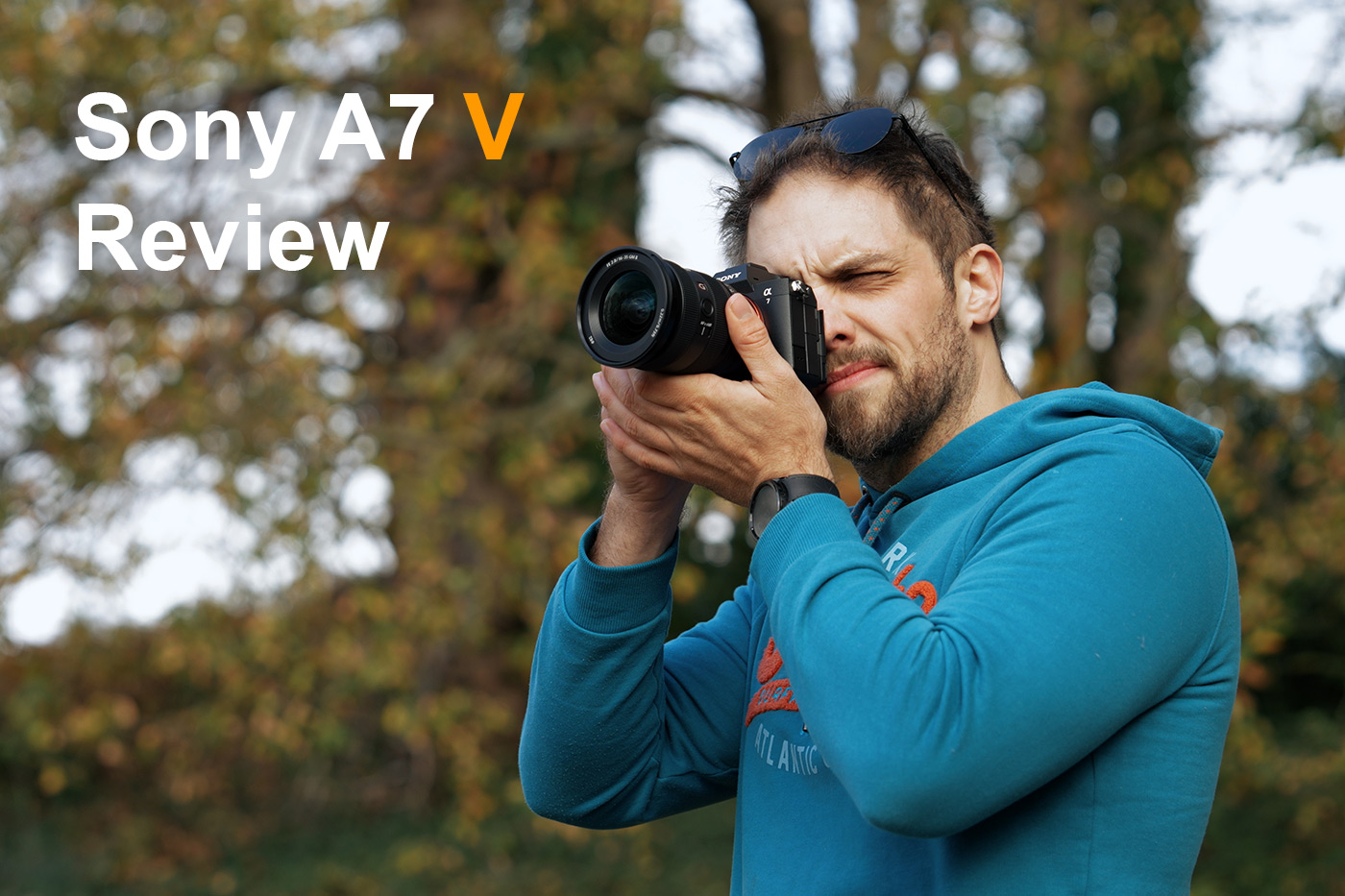
Release Date, UK Price and Lens Kits
The release date was December 2nd 2025, just days after Black Friday and four years after the previous generation launched. The fifth iteration is available as a body-only alongside several G and G Master lens kits, giving creators a choice of starting points depending on how they shoot.
The body costs £2799.00, with four kits available at launch, including:
- A7 V with 24-105mm G Lens Kit £3699.00
- A7 V with 24-70mm GM II Lens Kit £4199.00
- A7 V with 70-200mm GM II Lens Kit £4649.00
- A7 V with 50-150mm GM Lens Kit £6199.00
These provide a variety of choices with some of the most popular E mount lenses, all of which complement the flexible nature of this hybrid body with equally versatile zoom ranges.
It’s worth noting that these are largely second-generation professional GM models, which says a lot about how advanced the body is, pairing confidently with premium G Master optics.

Sample 01 with 24-70mm GM II at 24mm. Settings: 1.0 second (handheld). f/8. ISO 160
Where Does it Fit Into the Line-Up?
The A7 series combines speed, AF intelligence and video in a way that makes it the perfect choice for many creators, from beginners right through to working professionals.
This range is distinct from other models, which offer something unique, albeit with some crossover:
- The A7R series provides high resolution
- The A7S range caters to video-first creators
- The A7C line features a more compact body
This series is often colloquially known as the baby A1. In fact this model inherits several features from the flagship A1 II and A9 III. These include blackout-free shooting, the latest subject recognition and faster burst shooting, all at a significantly lower price than both the A1 and A9 ranges.
For photographers and hybrid creators who don’t need the extreme speed of a global shutter or the high-resolution capabilities of the A7R or A1 , the A7 V fills the role as a versatile, do-everything option.
As we’ll find out next, this new generation provides more enough speed for action, resolution for professional portraits, and advanced video for solo content creators, making it one of the most well-rounded options to date.

Sample 02 with 24-70mm GM II at 24mm. Settings: 1.0 second (handheld). f/6.3. ISO 100
What are the main upgrades?
The headline upgrades are the introduction of a new partially stacked 33MP sensor, paired with a brand new AI-driven BIONZ XR2 processor. This combination delivers faster sensor readout, improves dynamic range to a maximum of 16 stops, and provides better power and heat management, quicker burst speeds and a huge jump in autofocus intelligence compared to the previous gen.
Although it is still 33MP on paper, which many consider the sweet spot, it is actually far quicker at processing, resulting in upgraded stills and video.

Sample with FE 400mm F/2.8 GM. Settings: 1/2000 seconds. f/4.5. ISO 320
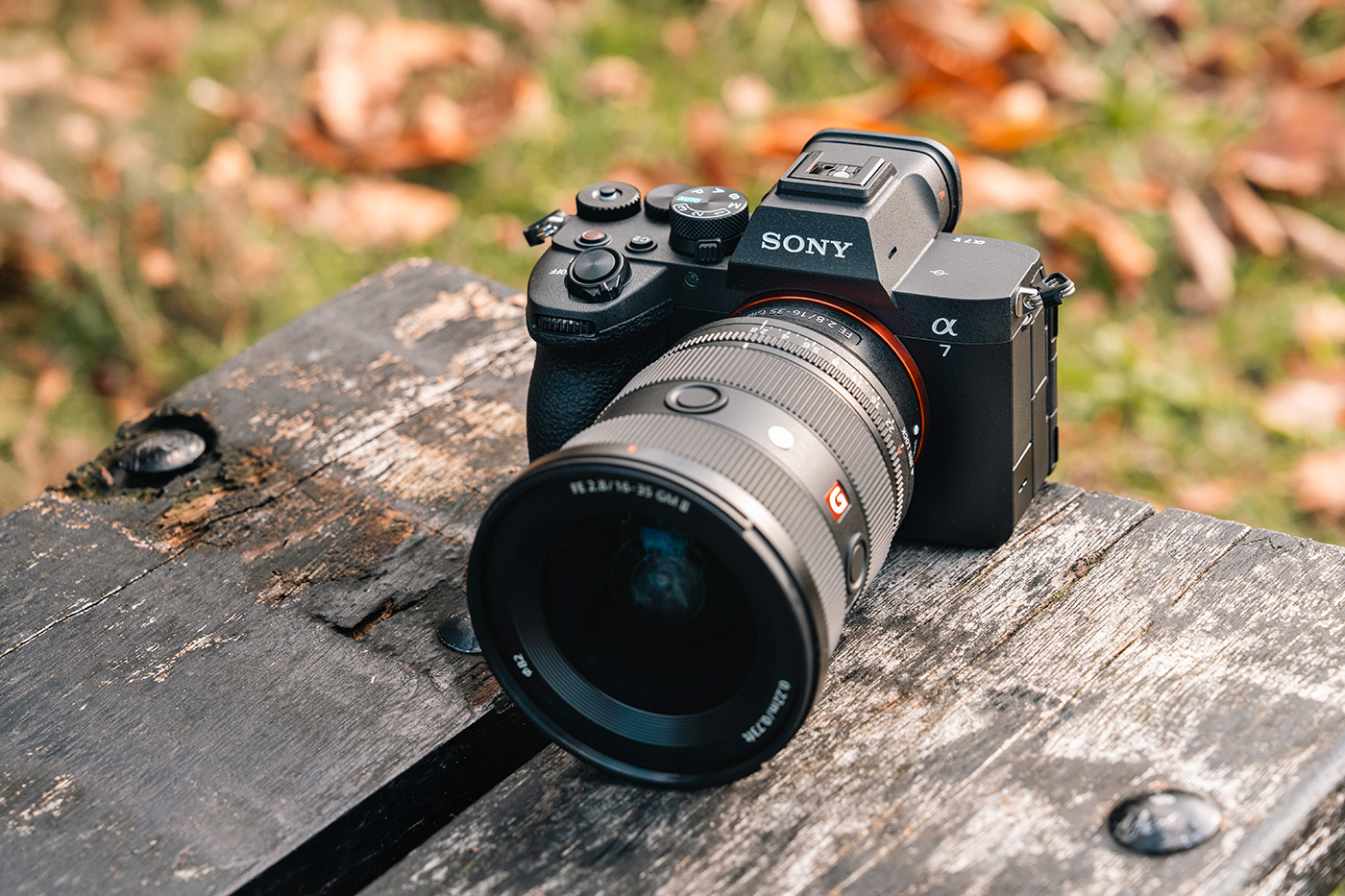
Specs comparison
Our comparison table shows just how much has been upgraded between generations. The later model has a completely new sensor design, and a faster processor that integrates AI rather than using a separate chip, which paves the way to improved autofocus, better video and faster shooting.
|
|
A7 V (new) |
A7 IV |
|
Image Quality |
||
|
Effective pixels |
33MP |
33MP |
|
Sensor type |
Partially Stacked full-frame CMOS |
BSI full-frame CMOS |
|
Dynamic Range |
Approx. 16 stops |
Approx. 15 stops |
|
Max. ISO (expanded) |
ISO 204800 |
ISO 204800 |
|
Other features |
Composite RAW (NR/HDR) Lightweight RAW |
– |
|
Image Stabilisation |
||
|
In-body IS |
Centre 7.5 stops, periphery 6.5 stops |
5.5 stops |
|
Electronic (movie) |
Dynamic Active |
Active |
|
Autofocus |
||
|
AF system |
Real-time Recognition AF |
Real-time Eye AF |
|
Subject recognition |
Human (with Pose Estimation), Animal, Bird, Insect, Car/Train, Airplane, Auto |
Human/Animal/Bird |
|
AF calculations |
60fps |
30fps |
|
Continuous Shooting |
||
|
Blackout |
Blackout-free |
Blackout |
|
Max burst (mechanical) |
10fps |
10fps |
|
Max burst (electronic) |
30fps up to 14-bit RAW |
10fps |
|
New shooting features |
Pre-Capture (0.3 - 1 sec.), Continuous Shooting Speed Boost |
– |
|
Video Functions |
||
|
Main formats |
4K 120p (S35) / 4K 60p (full-frame) |
4K 60p (S35 crop) |
|
New video features |
Auto Framing, Flexible ISO, LUT import |
– |
|
10-bit recording |
Yes (4:2:2) |
Yes (4:2:2) |
|
Operability |
||
|
Viewfinder |
OLED EVF (0.78x, 3.686m dots) |
OLED EVF (0.78x, 3.686m dots) |
|
LCD monitor |
3.2-type, 2.095m dots |
3.0-type, 1.037m dots |
|
Rear monitor design |
4-axis multi-angle |
Vari-angle |
|
USB-C |
Dual USB-C (10Gbps + 480Mbps) |
Single USB-C |
|
Memory card slots |
CFexpress Type A / SD (UHS-II) |
CFexpress Type A / SD (UHS-II) |
|
Connectivity |
||
|
Live streaming |
4K 30p UVC/UAC |
4K 15p UVC/UAC |
|
Wireless LAN |
Wi-Fi 802.11a/b/g/n/ac/ax (2.4/5/6GHz) |
Wi-Fi 802.11a/b/g/n/ac (2.4/5GHz) |
|
Still images (EVF) |
630 shots |
520 shots |
|
Still images (LCD) |
750 shots |
580 shots |
|
Size / Weight |
||
|
Dimensions (mm) |
130.3 x 96.4 x 72.3 mm (from grip to monitor) |
131.0 x 96.4 x 69.7 |
|
Weight (including battery and card) |
695g |
658g |

Sample with FE 400mm F/2.8 GM. Settings: 1/3200 seconds. f/4.5. ISO 800
Has autofocus improved?
Autofocus is noticeably better thanks to the new partially stacked sensor and AI-driven BIONZ XR2 processor. You get expanded subject recognition, more reliable tracking and faster AF calculations, which support blackout-free 30fps shooting, Pre-Capture and Speed Boost modes.

Sample 03 with 24-70mm GM II at 24mm. Settings: 1/200 seconds. f/4. ISO 2000
What is AI pose estimation?
Although we’ve seen it roll out elsewhere, this model includes pose estimation, which essentially uses an educated guess to recognise human subjects. It helps maintain subject tracking even if someone becomes obscured, briefly leaves the frame or is wearing glasses.
What are the video upgrades?
Video sees equally significant improvements, with 4K 120p in Super35 (crop), 4K 60p full-frame, and helpful additions like LUT import, Flexible ISO and improved colour accuracy. For hybrid creators, the upgrade is immediately noticeable.
Is it good for vlogging and solo creators?
Yes, with features like Auto Framing, vlogging and solo productions are easier as the system automatically reframes to keep you centred. This is one of the quality-of-life upgrades for vloggers and content creators.
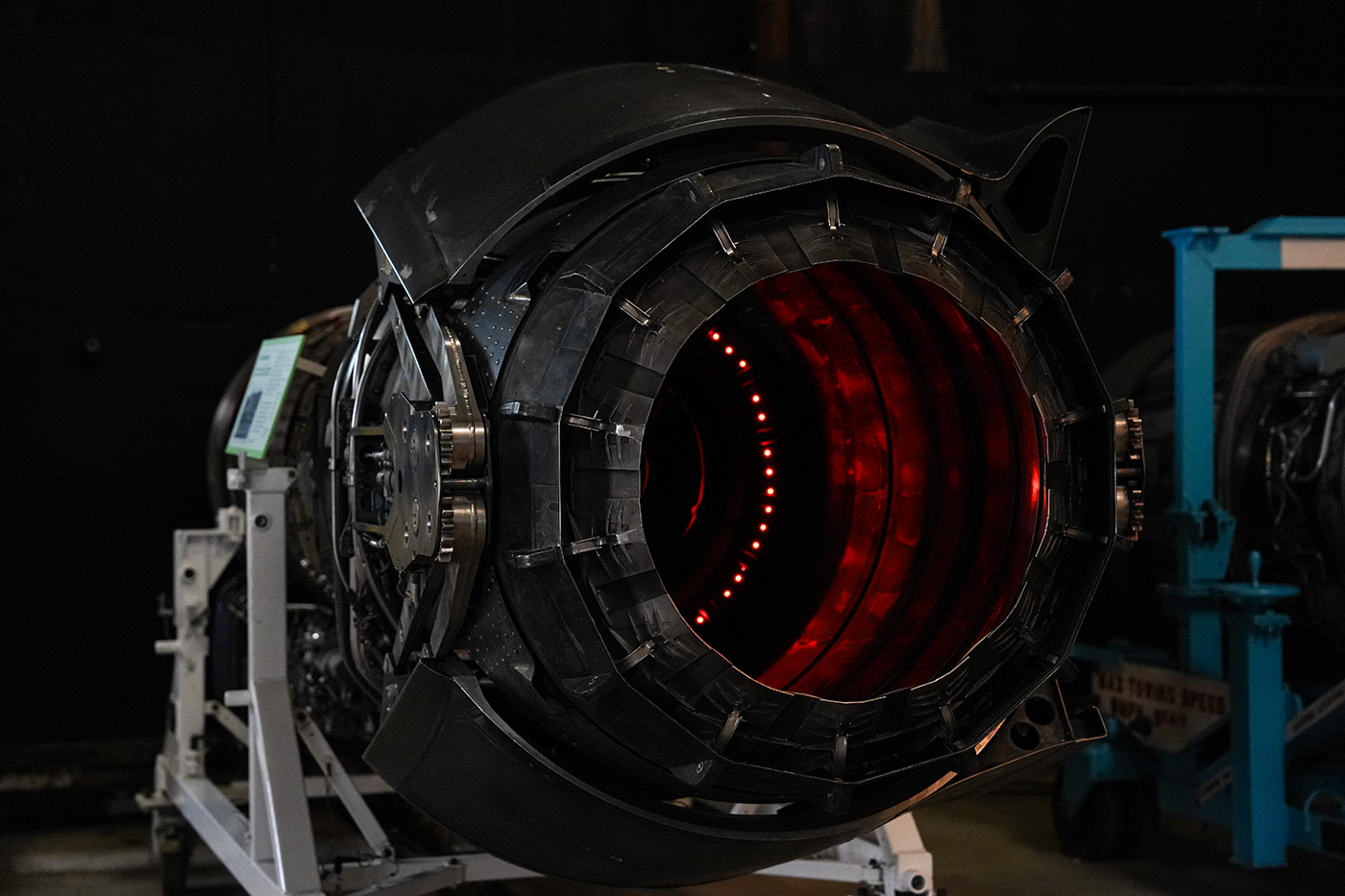
Sample 04 with 24-70mm GM II at 67mm. Settings: 1/200 seconds. f/4. ISO 3200
Has stabilisation improved?
Stabilisation is ith up to 7.5 stops in the centre of the frame, and 6.5 stops around the periphery. A couple of Gareth’s sample images here were taken indoors in low light, handheld at a 1-second exposure. If that doesn’t address any concerns about IBIS, nothing will.

Sample with FE 50mm F/1.2 GM. Settings: 1/6400 seconds. f/1.6. ISO 100
Is it a good video camera?
Yes, this is a really advanced hybrid video body, which offers:
- 4K 120p in Super 35
- 4K 60p full-frame
- 10-bit recording
- LUT import
- Flexible ISO
- S-Cinetone
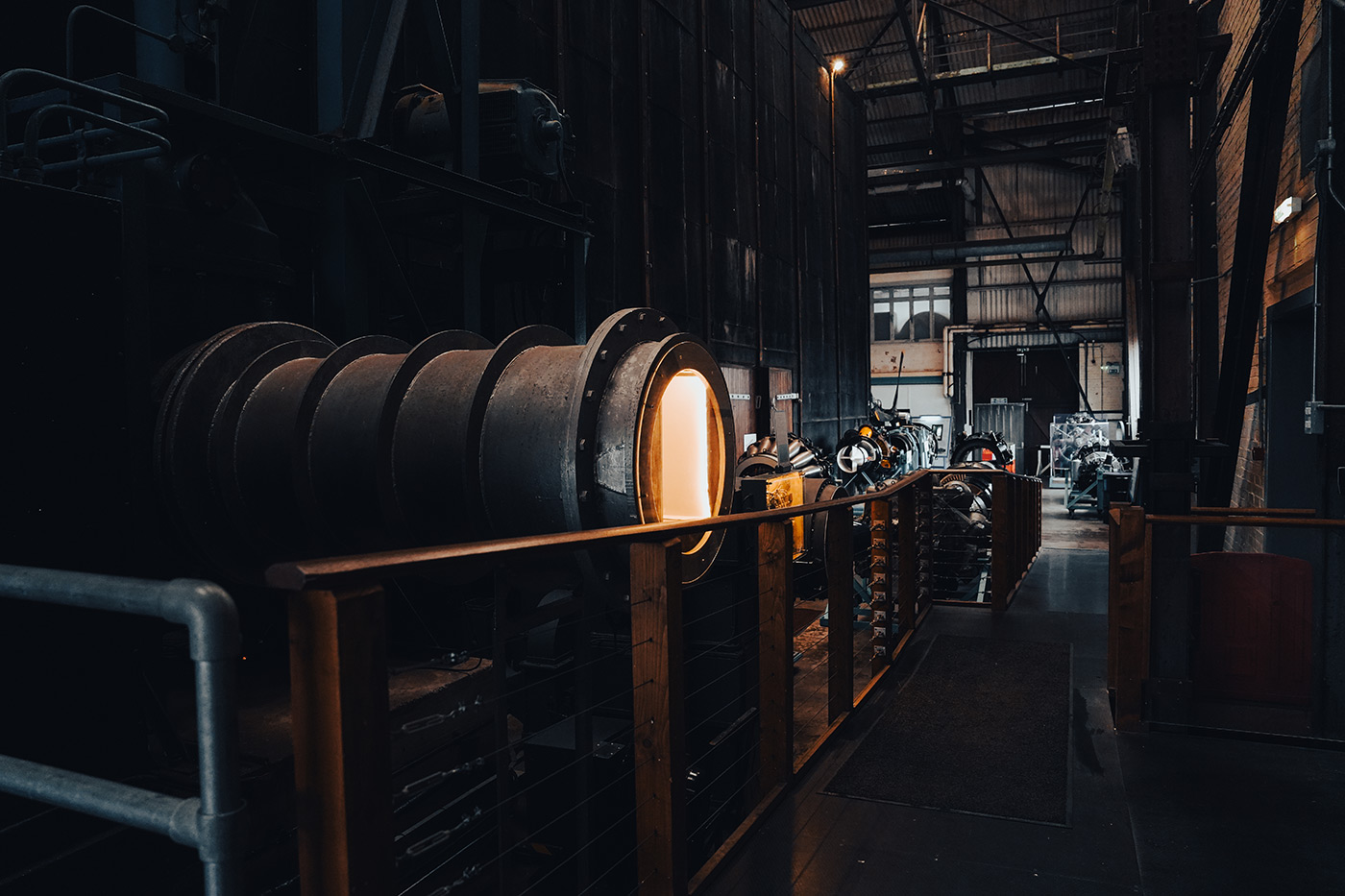
Sample 05 with 24-70mm GM II at 24mm. Settings: 1/200 seconds. f/4. ISO 3200
Is it a good choice for photography?
Yes, just as with video, this is an excellent stills option, with several features that make it suitable for any type of photography. These include:
- 33MP partially stacked sensor
- Up to 16-stops of dynamic range
- 14-bit RAW capture
- Composite RAW modes
- High-Resolution RAW processing
- Smaller Lightweight RAW files
- 60fps AF calculations p/sec
- 30fps blackout-free bursts
- Pre-Capture mode between 0.3 and 1 second
- Speed Boost
- Adjustable electronic shutter sound, from silent to loud
These stack up to make a really advanced photo and video camera for all levels of creator.
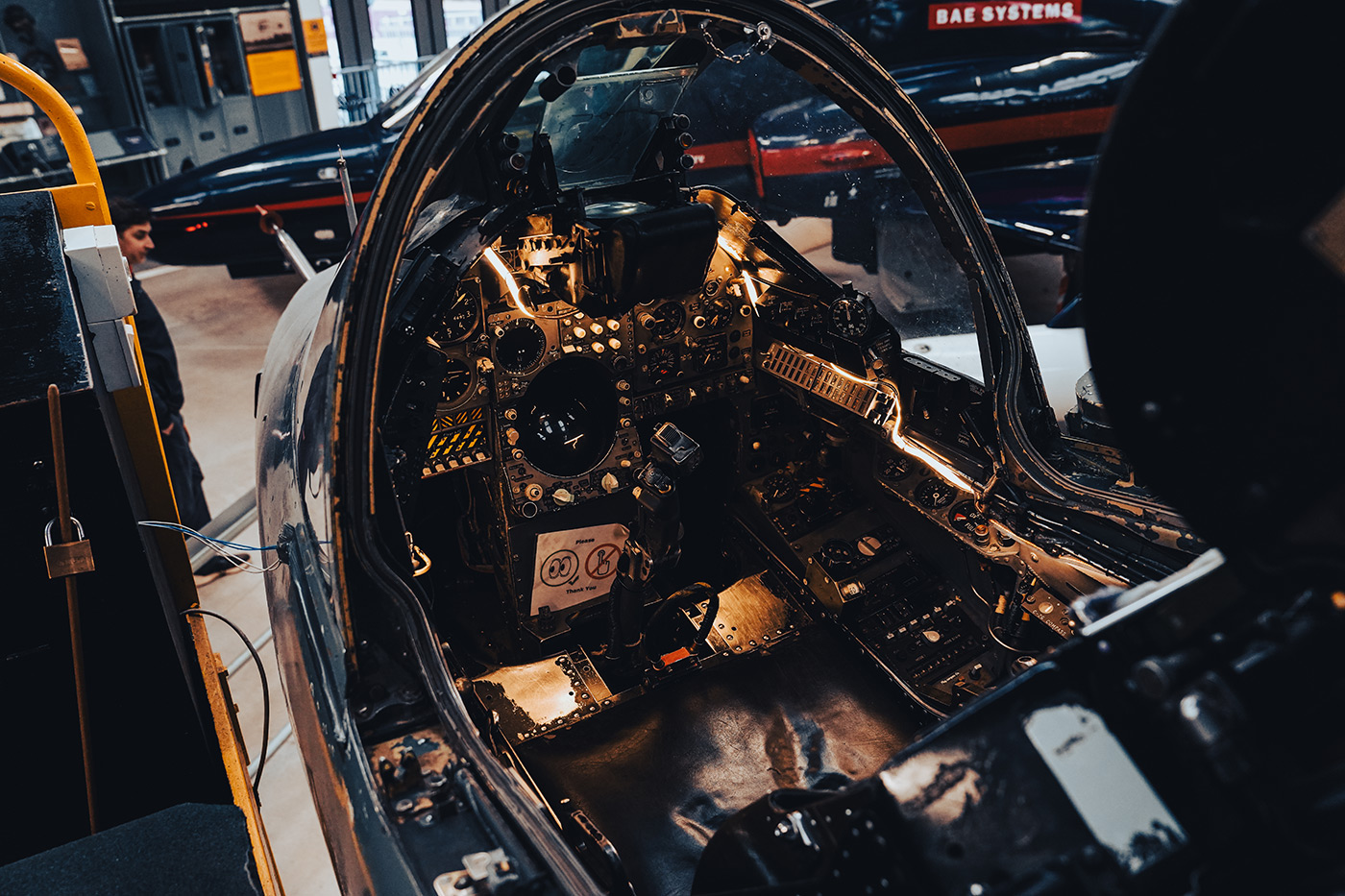
Sample 06 with 24-70mm GM II at 26mm. Settings: 1/250 seconds. f/4. ISO 2500
Is it easy to use?
Handling has been refined, which makes day-to-day shooting easier and more reliable. Updated ergonomics and usability include:
- A 4-axis multi-angle LCD, with easier positioning for high, low, selfie and vertical shooting
- Dual USB-C ports
- Improved heat management
- Better battery life
- Faster 6GHz Wi-Fi, with more stable connection

Sample from Sony with FE 70-200mm F/2.8 GM II @176mm. Camera settings: 1/250 seconds. f/9. ISO 200
Who is it best for?
It is aimed at creators who need a very capable all-round hybrid, and it’s particularly well suited to:
- Intermediate and enthusiasts
- Professional photographers or videographers
- Content creatorsand YouTubers
- Anyone looking to upgrade from a phone

Sample 07 with 24-70mm GM II at 70mm. Settings: 1/2000 seconds. f/2.8. ISO 1600
This is a very well-rounded hybrid model, which has been redeveloped from the ground up. It is suitable for capturing a broad variety photo and video content. The fifth generation takes the “baby A1” notion seriously, with features that have never appeared in this line before. These include blackout-free continuous bursts up to 30fps in 14-bit RAW, 4K 120p internal video and AI-driven autofocus that ranks among the best in class.

Whether you shoot fast action, low light or solo content, it is better equipped than ever to handle the situations. Ergonomic improvements and better heat control give it a raft of quality-of-life improvements, while the longer battery life simply makes it easier to live with every day.
Choose between the Sony A7 V body-only, or a lens kit from the Alpha mirrorless range to take your content to the next level.
If you’re planning on selling unwanted gear to upgrade, you can get a fast and free trade-in quote and put the money towards it.
Share this post:
By Nick Dautlich on 03/12/2025

Nick Dautlich
Senior Content Writer and Product Reviewer
Nick Dautlich is the Senior Content Writer and Product Reviewer at Park Cameras, with over 15 years of photography experience. A Sony Imaging Professional and expert reviewer, Nick has worked with major brands such as Canon, Sony and Nikon. His work is also featured on Vanguard World UK’s website, Capture Landscapes, and Shutter Evolve. Nick’s photography includes National Trust projects and magazine covers and he is passionate about landscapes and storytelling. Nick also enjoys hiking and teaching his children about nature. Learn more on his profile page.
Trade in your old equipment
Fast and easy trade in service ensures your old gear is collected efficiently and you are paid quickly! It's very simple to trade in your unwanted photography gear. Just head over to our dedicated Sell or Part Exchange page, fill out the details, and we'll get back to you with an offer for your old gear. Take the cash, or put it towards the cost of your new gear. It's up to you! Find out more
sign up to the newsletter
Keep up to date on the latest photography news, events and offers. Sign up now