- Call us 01444 237070

-
- Back
- Used Cameras
- Used Accessories
- Used Lenses
- Back
- Used Canon Lenses
- Used Nikon Lenses
- Used Fujifilm Lenses
- Used Sony Lenses
- Used Micro 4/3rds Lenses
- Used Leica Lenses
- Used Panasonic Lenses
- Used Pentax Lenses
- Used Samyang Lenses
- Used Sigma Lenses
- Used Tamron Lenses
- Used Tokina Lenses
- Used Voigtlander Lenses
- Used Zeiss Lenses
- Used Hasselblad Lenses
- Used Video
- Used Film Equipment
- Used Stock Alert
- Used Blank Test
- Sell or Part Exchange
- Used Clearance
- Recently Added Used Equipment
- Park Picks
- Faulty
- Trade-In
- Blog
- New in
- Call us
- Contact us
- Stores
- Sign in
Call us: 01444 237070
Search terms
Brands
Category
Products
[[{name}]]
[[{attributes.Price}]]
- Categories
- Tips & Inspiration
- Reviews
- News
- Events
- Features
- Buying Guides
- Competitions
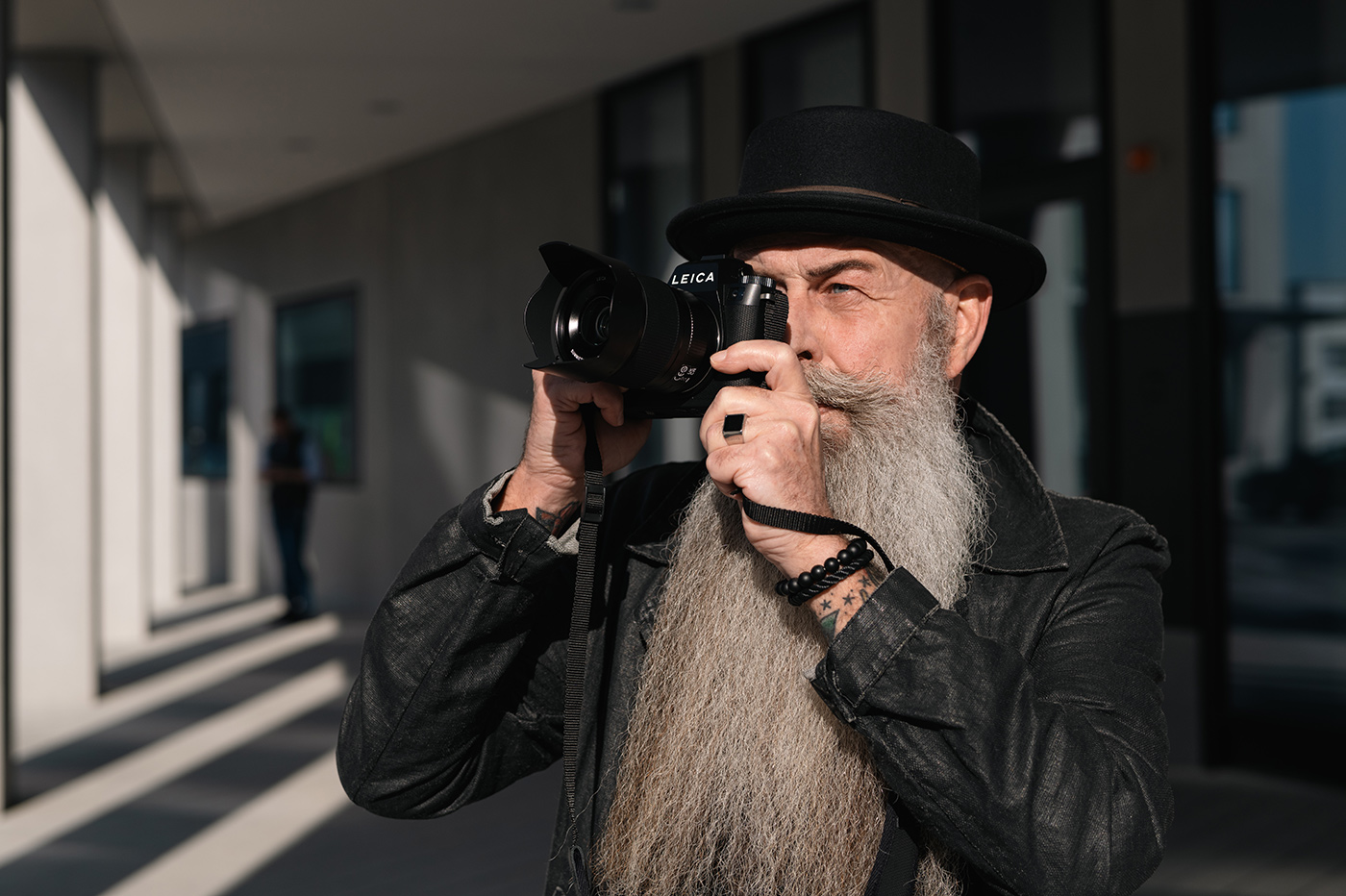
Why Leica Cameras Are Worth The Cost
It’s no secret that Leica cameras tend to appear near the top when you sort by high to low price on our website. It’s also true that a Leica holds the record for some of the most expensive camera equipment ever sold. To some the price of a Leica is unjustifiable, wondering ‘Why are Leica cameras so expensive?’ while to others it’s simply part of a bigger picture that tells us why Leica equipment is so sought after.
This feature takes a closer look at what goes into the cost of producing Leica equipment, and why it continues to attract both enthusiasts and professionals.
Key questions answered
Why are Leica cameras so expensive?
These cost more upfront because they are produced in lower volumes, use premium materials, and are designed for long-term use rather than frequent replacement. When resale value and service life are considered, the overall cost of ownership is often closer to competing flagship systems than the initial price suggests.
Do they hold their value?
Yes. They are widely known for retaining a higher percentage of their original value than most digital camera systems, particularly M-series bodies and lenses. Limited production and slower product cycles help reduce depreciation.
Is the Q3 worth the money?
For photographers looking for a full-frame compact with a built-in premium lens, the Q3 offers excellent value. A high-resolution sensor, weather-sealed construction and fixed Summilux lens would typically cost more if purchased as a separate body and lens system.
Are they worth buying in 2026?
Yes, they make sense in 2026 for photographers who value build quality, long service life and strong resale value. While they are not aimed at every user, they are unquestionably relevant for those looking for equipment intended that lasts for many years.
As celebrations begin for the 100th anniversary of the 35mm camera, we take a closer look at everything from build quality and image character to resale value, product design, and technological innovation. Whether you’re considering investing in your first Leica or simply interested in their reputation, this article hopes to tell the full story, not just the price.
Next we cover some of these topics in more depth...
Why are Leica cameras so expensive compared to other brands?
They cost more upfront because they are produced in lower volumes, built using premium materials, and designed for long-term use rather than frequent replacement. While the initial price is higher than most camera systems, factors such as durability, service life and resale value often change how that cost looks over time.
Take the Q3 for example, which is one of the most popular Leica compact cameras ever. It is one of only a few full-frame compact cameras on the market, with the standard model featuring a fixed 28mm Summilux lens, and the Q3 43 has an equally appealing APO-Summicron 43mm lens. Both boast high build quality with lots of features and tech innovation.
It is a flagship all-in-one, and it sells for less than flagship mirrorless cameras from other brands, which often come without a lens. When you consider that the Q3 includes world-class optics, a 60MP sensor and is built to last for many years, it begins to look like pretty good value.
You can find out more in our Q3 review, which covers everything from what’s new to the core tech inside this pocketable camera.
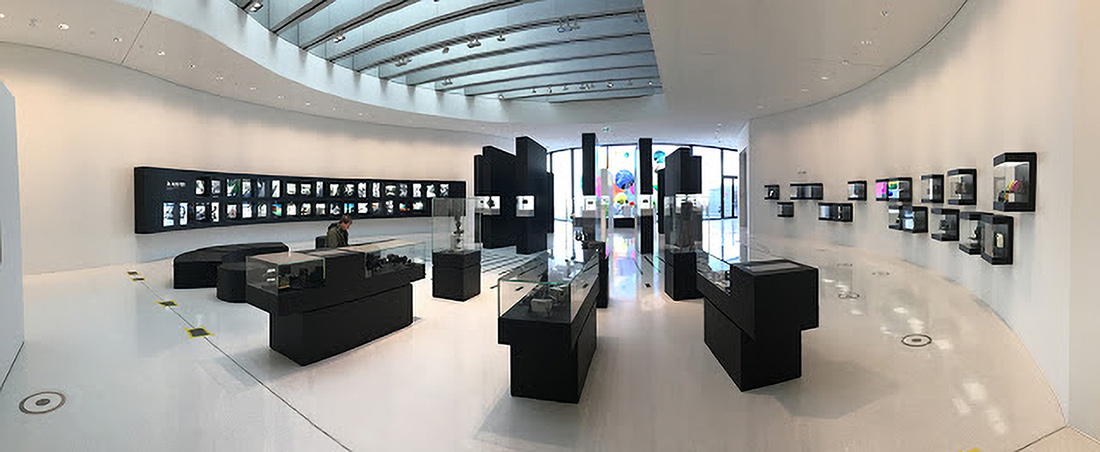
Then let’s consider resale value. Many are known for holding their value well, particularly M-series and limited editions. Unlike most digital cameras, which tend to lose a chunk of value over time, Leica's equipment can often retain more of its original price, and in some cases has even been known to increase. This long-term value becomes even clearer when looking at specific examples.
We’ve seen a used M11 camera sell for close to the original retail price, depending on availability and condition, while certain older lenses such as Noctilux or early Summilux models, have more than doubled in value on the second-hand market in recent years. Such is the demand for second-hand Leicas that if you had spent £4,000 on an M (Typ 240) a few years ago, it would command between £2,000 to £3,000 today, depending on the condition. When you take into account that a lot can last for decades when looked after, the actual cost of ownership is often far lower than you might expect.
Arethey handmade in Germany?
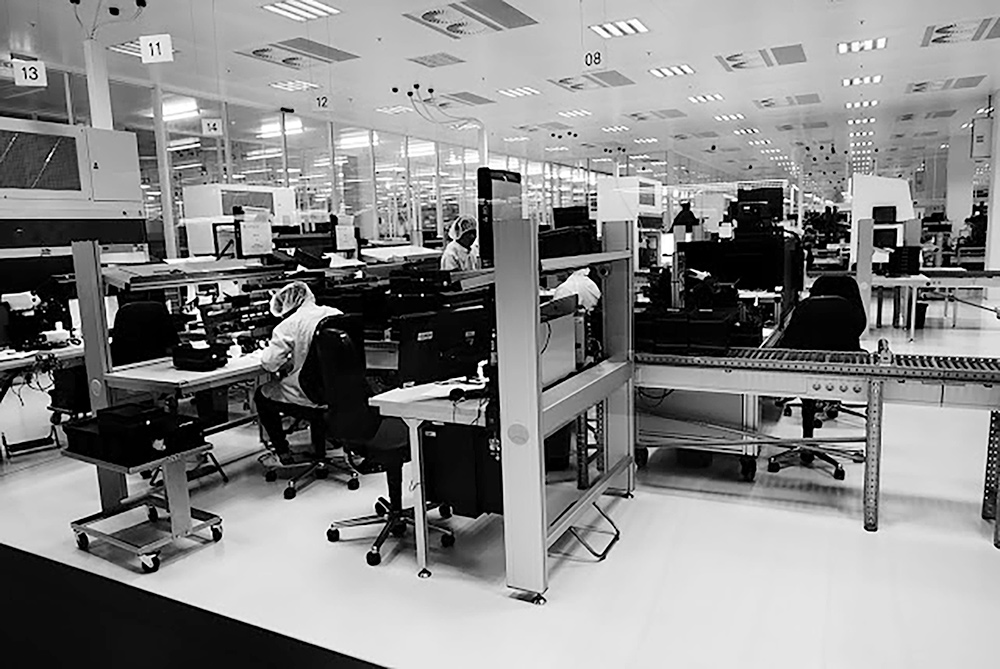
Many are still assembled and calibrated by hand in Wetzlar, Germany. Skilled technicians combine traditional mechanical processes with modern manufacturing to support precision, durability and long-term serviceability.
The factory is a clean, sterile environment where each camera is hand assembled by skilled craftsmen and women who use techniques that have been learned through the company's rich history. The people who make them are highly skilled at what they do and are paid well for it.
This has been the case for around 100 years. In fact, the Leica I is attributed as the first ever 35mm film camera, having been exhibited at the Spring Trade Fair in Leipzig in 1925. So not only did the company contribute to the adoption of photography, they literally made the camera in the Wetzlar factory, that changed history.

You can instantly feel the quality that sets them apart from other brands, and attention to detail is one of the key reasons why photographers regard them so highly. This is noticeable across all models, whether you’re handling an M11, Q3 or a the ‘entry-level’ Leica D-Lux 8.
The M series with cameras like the M6 Film Camera and M11 range are particularly durable, with weather sealing and paint finishes that are made with premium materials. This level of hand assembly is also one of the reasons equipment is known for durability and long service life.
Clever product design incorporates scratch resistant paints, and components such as brass or aluminium top plates, engraved markings and precision-machined helicoids that can last for decades, while minimising wear and tear that comes with normal use. This is one of the reasons why some prominent photo journalists have been drawn to them over the years. It’s not just the compact form, but the fact they are tough as old boots.
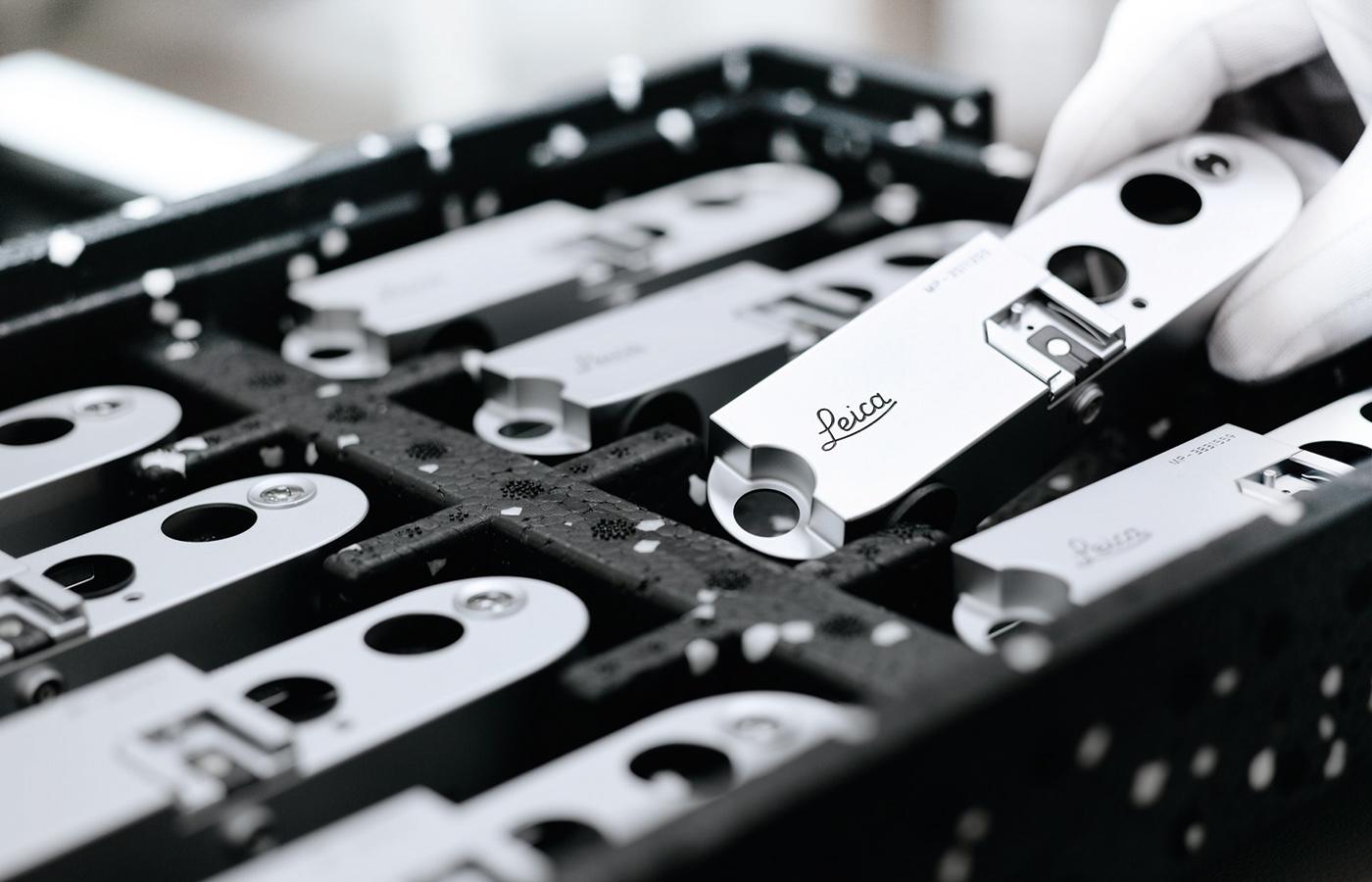
That said, the patina that develops on the body tells the unique story of the owner and their camera, which some photographers love, while others prefer to keep their’s clean and free of marks. It’s your choice.
Many modern systems benefit from comprehensive environmental sealing for real-world use in poor weather conditions. IP ratings aren’t always advertised, but some are noted, which is always appreciated. The Q2 and Q3 are both rated IP53, and the SL2 and SL3 are IP54 rated, when using an appropriate lens.
These two videos do a good job of showing what goes in to manufacturing.
This video is from 2012 and shows a limited edition M9-P being assembled into its packaging.
These are some of the reasons why they hold their value so well, but how about the results they can achieve? We explore that elusive look next…
What do photographers mean by the 'Leica look'?
This refers to how optics render subjects with strong micro-contrast, smooth tonal transitions and natural separation from the background. Rather than relying on sharpness , this rendering gives images a sense of depth and balance that many photographers recognise instantly.
While many are often extremely sharp, sharpness alone is not what defines the look. Nor is it about bokeh, contrast, or colour, it’s about how all of these interact to create micro-contrast, colour, transition and fall-off with subjects that pop in almost 3D.
As photographer Irakly Shanidze explains in his Art Photo Academy article, the look comes from the way a subject is rendered within its environment. This perceptual separation mimics how the human eye naturally sees, which is part of why images often feel immersive, even when viewed on a screen. Modern equipment has managed to retain a similarly distinct character.
Few brands manage to combine technical precision with this kind of artistic rendering, which is another reason why so many photographers are happy to keep shooting with their equipment.
Can Leica lenses be used on other camera systems?
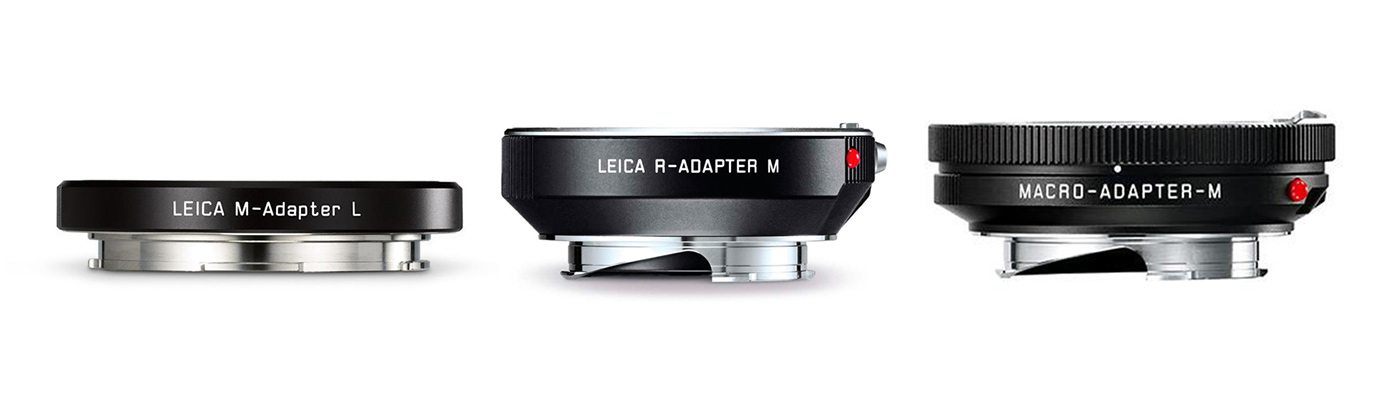
Yes. M-mount lenses can be adapted for use on many modern mirrorless camera systems, including Sony E, Nikon Z and Canon RF, using manual lens adapters. While autofocus is not supported, photographers retain full manual focus and aperture control, along with distinctive optical rendering.
With a suitable lens mount adapter, M lenses can provide full manual focus and aperture control, while delivering a tactile experience and signature rendering. Many photographers report exceptional results with adapted glass.
Image quality goes beyond the M system, and fixed-lens cameras like the Q3 features a Summilux 28mm f/1.7, which rivals high-end interchangeable models in terms of image quality, colour rendering and low-light performance.
This optical knowhow extends outside photography, with a range of precision optics found throughout the range of binoculars, which are also engineered to deliver premium transmission, clarity, and durability for wildlife observation.
When you invest, you’re choosing long-term reliability, adaptability and unique image quality that few other manufacturers offer. Additionally, when it comes to resale, used Leica lenses often retain a high percentage of their original value on the second-hand market, so you’ll recoup more of your investment, just like with the camera body.

Scanned film by Joe Greer, image of two people on the beach captured with the M6
Are They Worth the Premium?
It’s true that there's probably a higher upfront price, but what we hope to have demonstrated is how well they hold their value over time. Whether new or second‑hand, this is one of the photography brands who’s gear typically retains more value in the long‑term.
Take the classic M6 from the 1980s as an example. Demand for film cameras among enthusiasts and collectors has kept prices around double the original price from over 40 years ago, and digital cameras are trending in a similar way.
Even a modern M11, which launched at around £6,900 new, typically sells on the second-hand market for around £5,500 – £6,000 depending on condition.
Perhaps the most dramatic proof is the 1923 Leica 0‑Series, which is the world’s most expensive camera ever, having sold at auction for over £12 million. Although of course this is a unique example, it shows just how desirable the brand is.
All of this suggests that while the initial cost may be higher, the real cost of ownership is often lower in the long run. With equipment made in Germany that is intended to last for decades and a very strong resale market, you’re likely to spend less across the lifetime of your gear than with some alternatives.
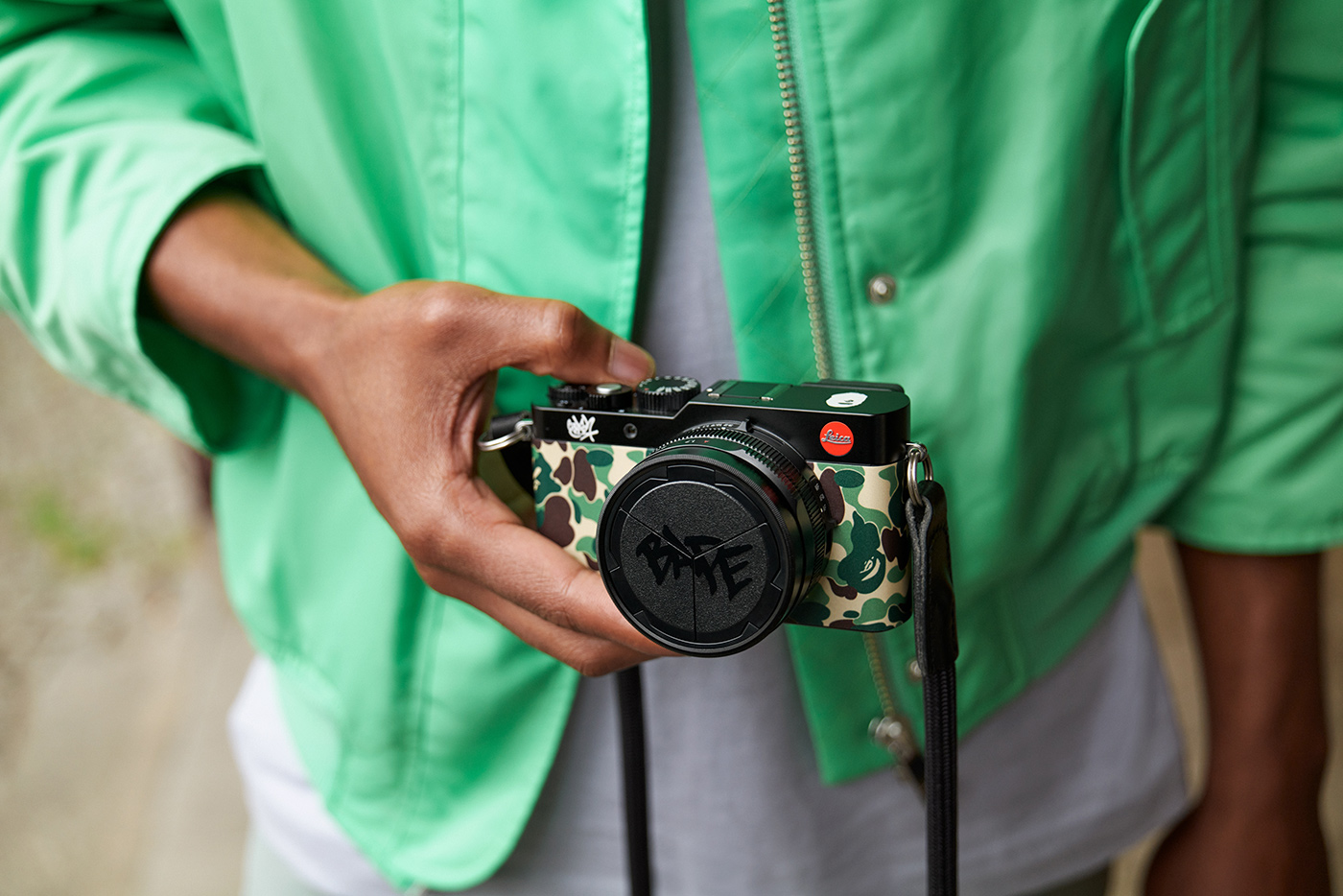
Has the brand become a cultural icon?
One of the many reasons why the brand has thrived over the years is that it has evolved from a camera brand to a cultural icon, which is recognised in art, fashion, design, and pop culture. These are not just tools, they have become an icon for seeing and capturing the world. Time and time again, photographers, directors, writers, and musicians have chosen the brand for this cachet.
From Photography to Pop Culture
This influence has flourished through strategic partnerships with global brands such as 007 x Leica, Disney, A BATHING APE® x STASH, Hodinkee, and many more. Ambassador and Akademie Instructor Eolo Perfido, who is a Sony World Photography Award winner praises the ‘micro-contrast and the feeling in your hands.’
Craig Semetko is a street photographer famed is another photographer who mentions ‘quiet leaf shutter and classic rangefinder setup,' which helps him stay unnoticed and capture candid moments that define his style.
This legacy stretches much further back, all the way to the pioneers who helped to make photography such an accepted media. Henri Cartier-Bresson famously used one to capture the ‘decisive moment,’ defining a style which is still imitated today. Robert Capa used the same compact 35 mm body under fire in conflict zones like the Spanish Civil War.
Other Magnum photographers include Inge Morath, Bruce Davidson, Alex Webb, Robert Frank, Josef Koudelka, and René Burri, all of whom worked with this equipment to tell their stories.
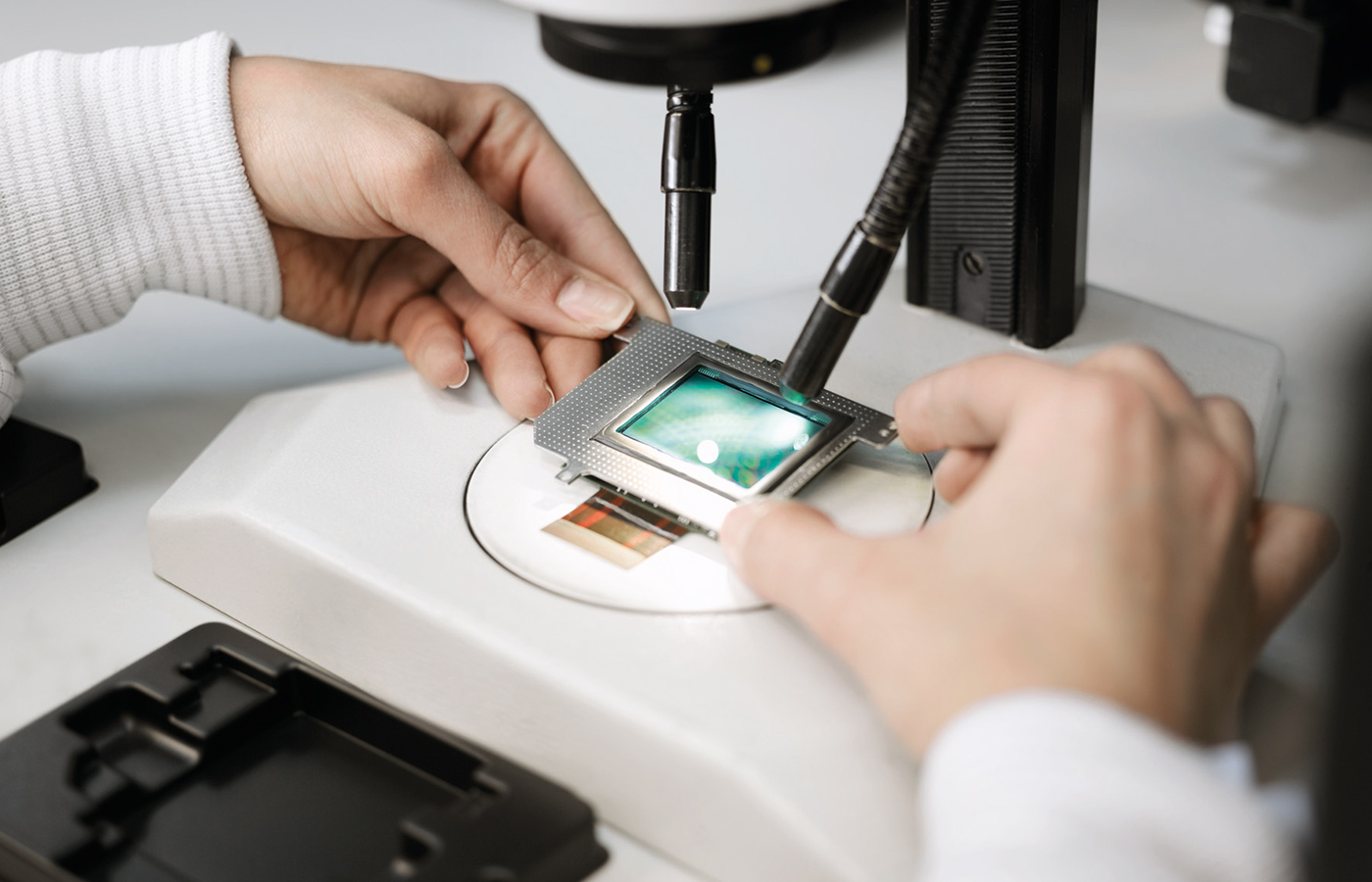
What technology sets the equipment apart today?
Beginning with traditional photography, the company continues to push boundaries, adopting forward-thinking technology into equipment for today’s creator. This is evident in many models. A major innovation arrived in the M11‑P, which was the first camera to include Content Credentials, based on the Content Authenticity Initiative (CAI) and C2PA standards. This verifies the authenticity of an image at the point of capture, helping to fight misinformation and AI-adoption within photojournalism and commercial media. You can learn more about the M11-P Rangefinder Camera and its capabilities here.
Other advanced tech can be found in the M11 series, which was the first to offer a triple-resolution full-frame sensor, allowing photographers to choose between 60MP, 36MP, or 18MP DNG files using the full sensor area.
The brand continues to deliver innovation in other areas, including by releasing their first ever 35mm camera film in 2025, which coincides with the 100th anniversary of 35mm film photography.
By combining heritage with cutting-edge features, a niche has been created where innovation meets usability, and while some models might look understated, they cater to even the most demanding photographers.
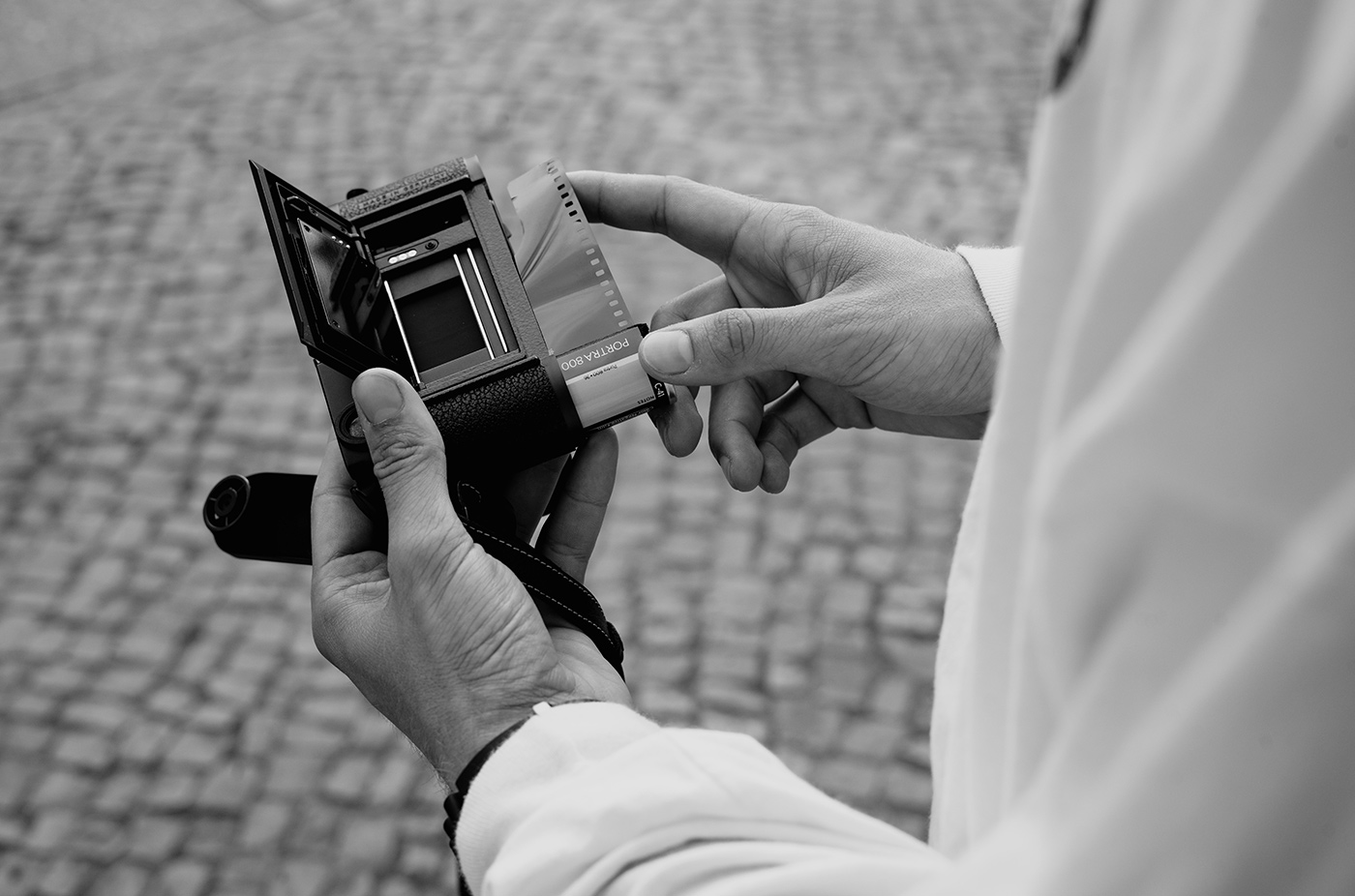
Why do they feel different to use?
They often feel different to use because they prioritise simplicity, tactile controls and a more deliberate process. Fewer buttons, clear layouts and consistent handling encourage photographers to slow down and engage more fully with their subject.
When you do need to dive into the menus, you'll find the interface is thoughtfully designed, clear, easy to navigate, and consistent with the brand. Fonts are crisp, the layout is logical, and the interface is consistent across models, with clear typography and a logical menu structure that changes little between generations. This is the case, whether shooting with a film or digital M-series rangefinder, with a consistent approach.

Sample image captured with the D-lux 8
Why are new models released less often than other brands?
Where some brands saturate categories with a slightly bewildering range of options, the German brand offers just one or two models within each range, with a slower release cycle. While best known for their rangefinders, the lineup also includes compacts, instant, full-frame mirrorless, and there was even a medium format system, which we hope to see return.
- At the most approachable end is the D-Lux 8, which combines a Four Thirds sensor with a versatile zoom, and is the perfect entry to the brand for everyday photography with a pocketable camera.
- The Sofort 2 is an instant camera, which is available in Red, White, Black and Special Editions, combining instant printing with digital, while incorporating a unique design language.
- Fixed-lens full-frame models like the Q3 and Q3 43 deliver high-end image quality with a prime lens and 60MP resolution. With up to 8K video and triple sensor technology, these are popular for street, travel and hybrid content creation.
- For professional use the SL3 and SL3-S provide extremely capable features for high-end stills and video content creation. Features include 6K open gate, RAW video over HDMI, phase-detection AF and tech such as High-Resolution Multi-Shot Mode, catering to every situation.
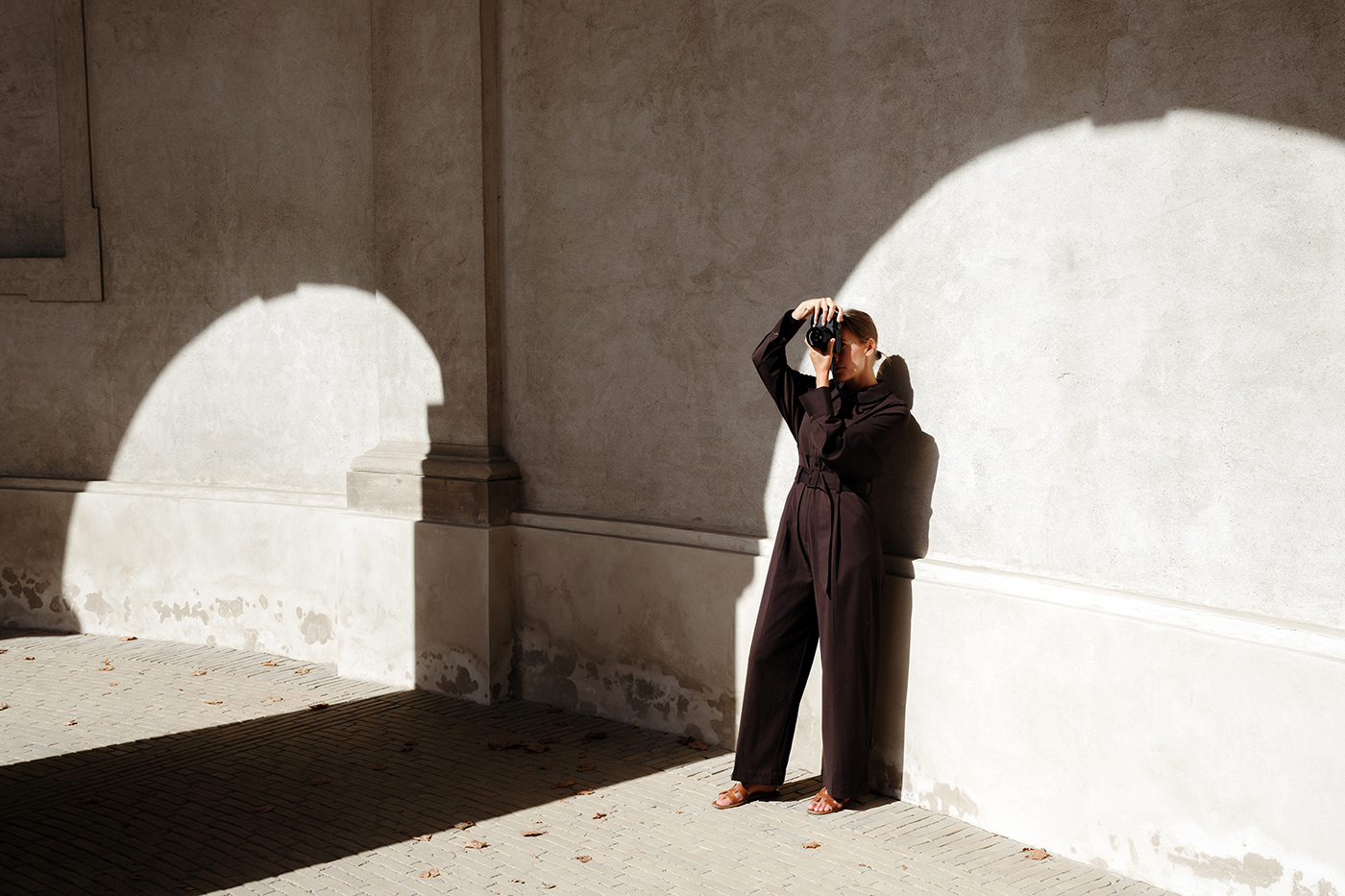
Shooting with the Q3 compact
Tools That Inspire in the real world
From documenting global events to capturing family snapshots and unique moments on the streets, the role in visual culture is undeniable. Our customers can explore the full range of Leica cameras and lenses online, and in dedicated departments in our London store and in Sussex, to get hands-on with these icons, and discover what makes this brand such an ongoing success.
If you’re considering a move from another system, our Trade-In Programme offers an easy way to get started with a chance to switch systems without all of the hassle.

Sample of Chinese urban scene with the Q116
That rounds off our post about this very special German brand. Whether you see them as an engineering powerhouse, a modern icon, expensive or classic, it doesn’t change the fact that this is a company, which has continued to thrive in the ever-changing landscape of photography, and long may that continue.
Share this post:
By Nick Dautlich on 23/06/2025

Nick Dautlich
Senior Content Writer and Product Reviewer
Nick Dautlich is the Senior Content Writer and Product Reviewer at Park Cameras, with over 15 years of photography experience. A Sony Imaging Professional and expert reviewer, Nick has worked with major brands such as Canon, Sony and Nikon. His work is also featured on Vanguard World UK’s website, Capture Landscapes, and Shutter Evolve. Nick’s photography includes National Trust projects and magazine covers and he is passionate about landscapes and storytelling. Nick also enjoys hiking and teaching his children about nature. Learn more on his profile page.
Trade in your old equipment
Fast and easy trade in service ensures your old gear is collected efficiently and you are paid quickly! It's very simple to trade in your unwanted photography gear. Just head over to our dedicated Sell or Part Exchange page, fill out the details, and we'll get back to you with an offer for your old gear. Take the cash, or put it towards the cost of your new gear. It's up to you! Find out more
sign up to the newsletter
Keep up to date on the latest photography news, events and offers. Sign up now