- Call us 01444 237070

-
- Back
- Used Cameras
- Used Accessories
- Used Lenses
- Back
- Used Canon Lenses
- Used Nikon Lenses
- Used Fujifilm Lenses
- Used Sony Lenses
- Used Micro 4/3rds Lenses
- Used Leica Lenses
- Used Panasonic Lenses
- Used Pentax Lenses
- Used Samyang Lenses
- Used Sigma Lenses
- Used Tamron Lenses
- Used Tokina Lenses
- Used Voigtlander Lenses
- Used Zeiss Lenses
- Used Hasselblad Lenses
- Used Video
- Used Film Equipment
- Used Stock Alert
- Used Blank Test
- Sell or Part Exchange
- Used Clearance
- Recently Added Used Equipment
- Park Picks
- Faulty
- Trade-In
- Blog
- New in
- Call us
- Contact us
- Stores
- Sign in
Call us: 01444 237070
Search terms
Brands
Category
Products
[[{name}]]
[[{attributes.Price}]]
- Categories
- Tips & Inspiration
- Reviews
- News
- Events
- Features
- Buying Guides
- Competitions
Hands-on Peak Design Pro Lite Tripod Review
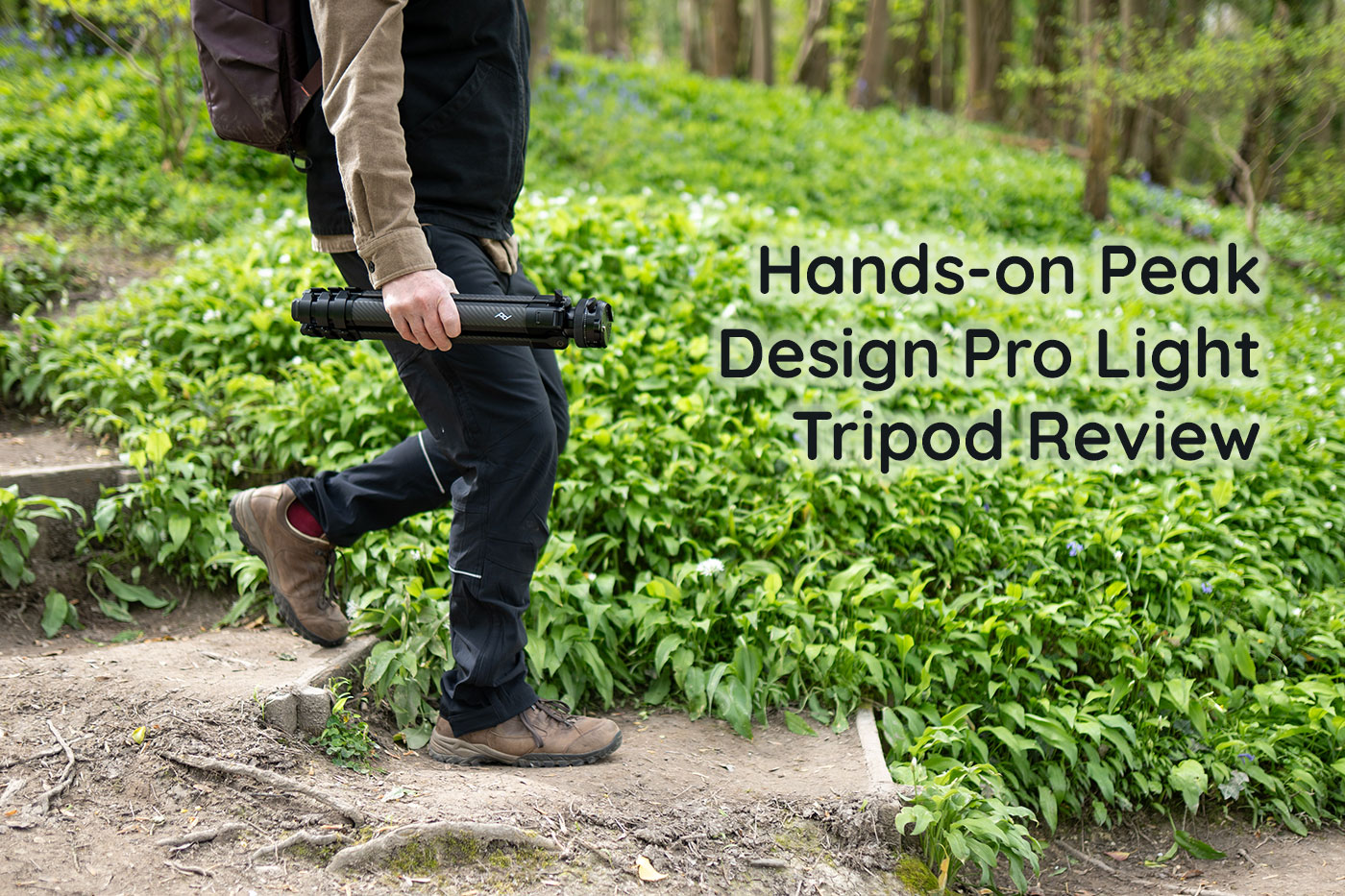
Having completed a Peak Design Pro Tripod Comparison when they were first released last October, I was keen to get hands-on with one of the new carbon fibre models for a field test. A spring staycation provided the perfect opportunity to try out the lightest model for this hands-on Peak Design Pro Lite Tripod review, which I made at the same time as the Everyday Backpack 20l review.
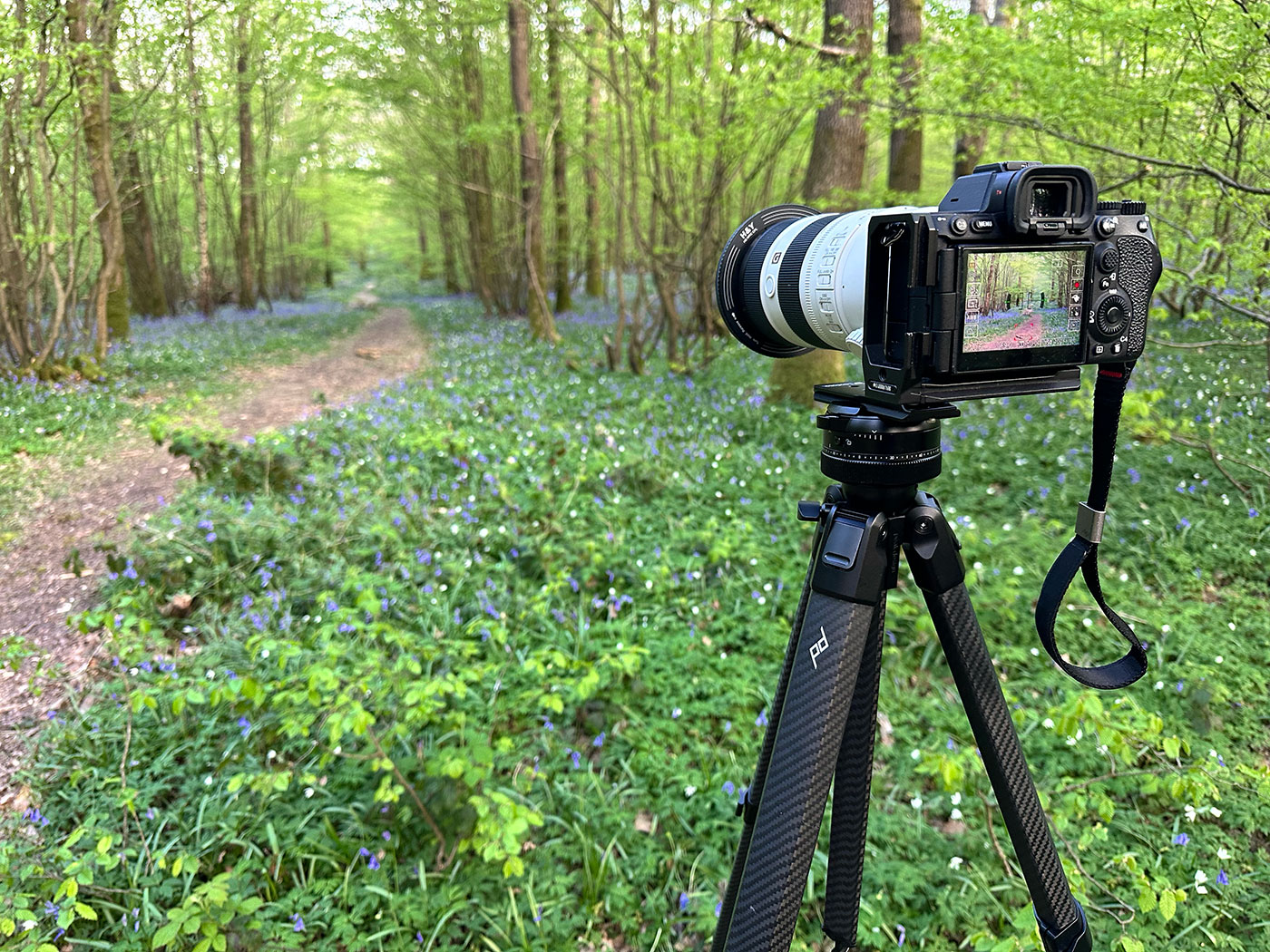
A sturdy tripod is essential for photographing wild bluebells and spring flowers with the Sony A7R V, as despite having quite good IBIS, the high-resolution sensor is quite unforgiving when it comes to camera shake, especially in low light in forests during sunrise and sunset.
With that in mind, I visited some of my favourite bluebell woods with it, so why not join me in seeing whether this new design could be the perfect option for your outdoor photography?
What is the Pro Tripod series?
Before getting stuck into this review, it's worth mentioning that this range is positioned at advanced enthusiasts and professional creators. That goes some way towards explaining the £699.00 starting price, which will understandably feel expensive to some.
However, this price is consistent with professional options from other leading brands, and is arguably justified by a whole series of advanced, and in some cases unique, features, which we explore next.
What are the main features?
Peak Design already has some of the world's most popular travel tripods in its range, which feature in our Video And Photography Tripod Guide. The Pro Lite falls somewhere between travel and regular or tall models, offering a unique blend of features, including:
- Being slightly more stable than Travel models
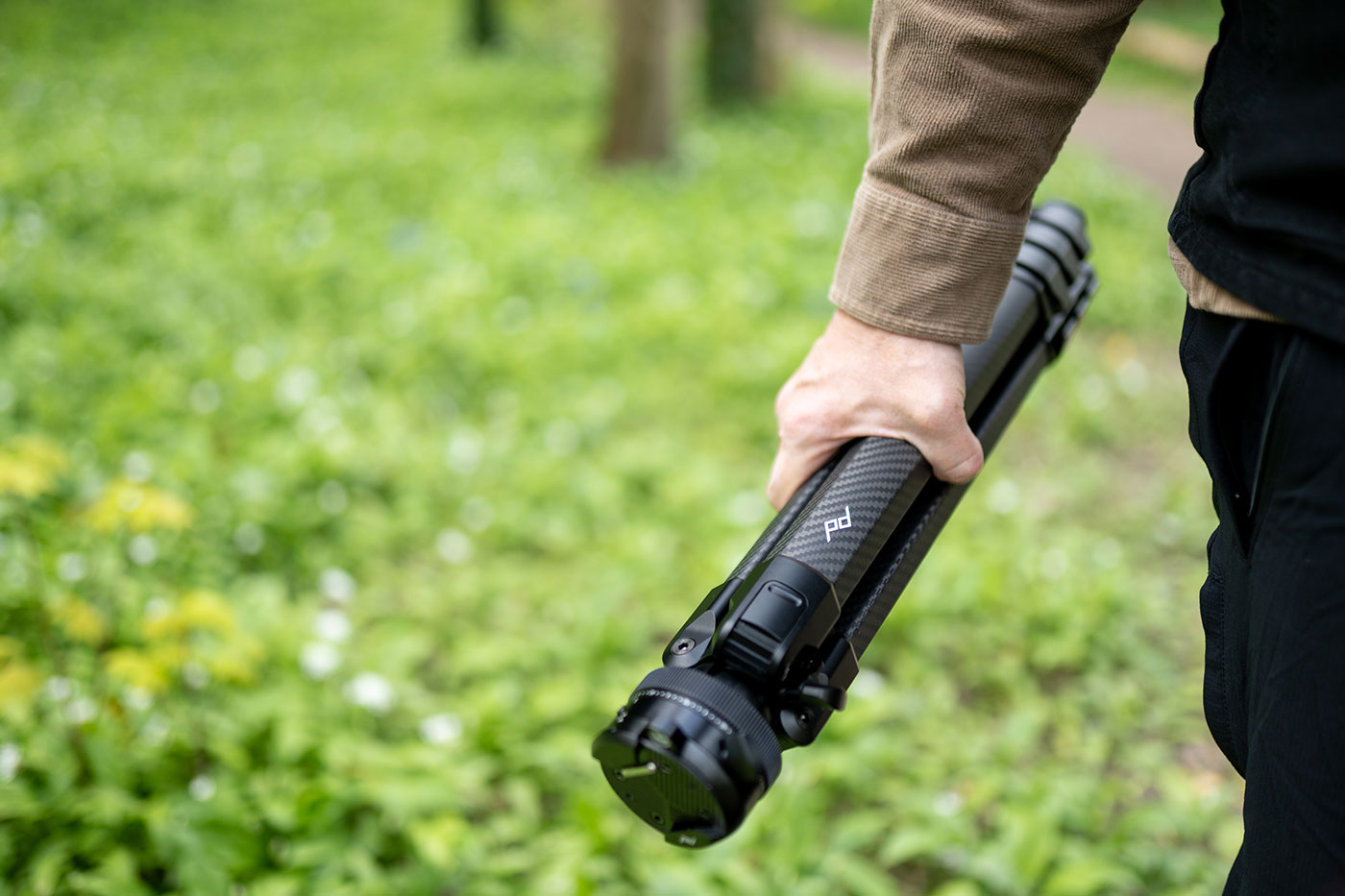
- Compact packability, folding down to just 48.8cm long and 8.5cm in diameter
- 16kg weight rating for professional camera systems
- CNC-machined aluminium hardware
- Newly designed Pro Ball Head with a robust locking mechanism
- Simple conversion to a hybrid/video legs with the optional Tilt Mod accessory
- Quick-release levers to position the legs
- Compatible with Arca Swiss-type plates
On paper this is a strong set of features that will cater to a lot of situations, including travel, which we explore next.
Is it good for travel?
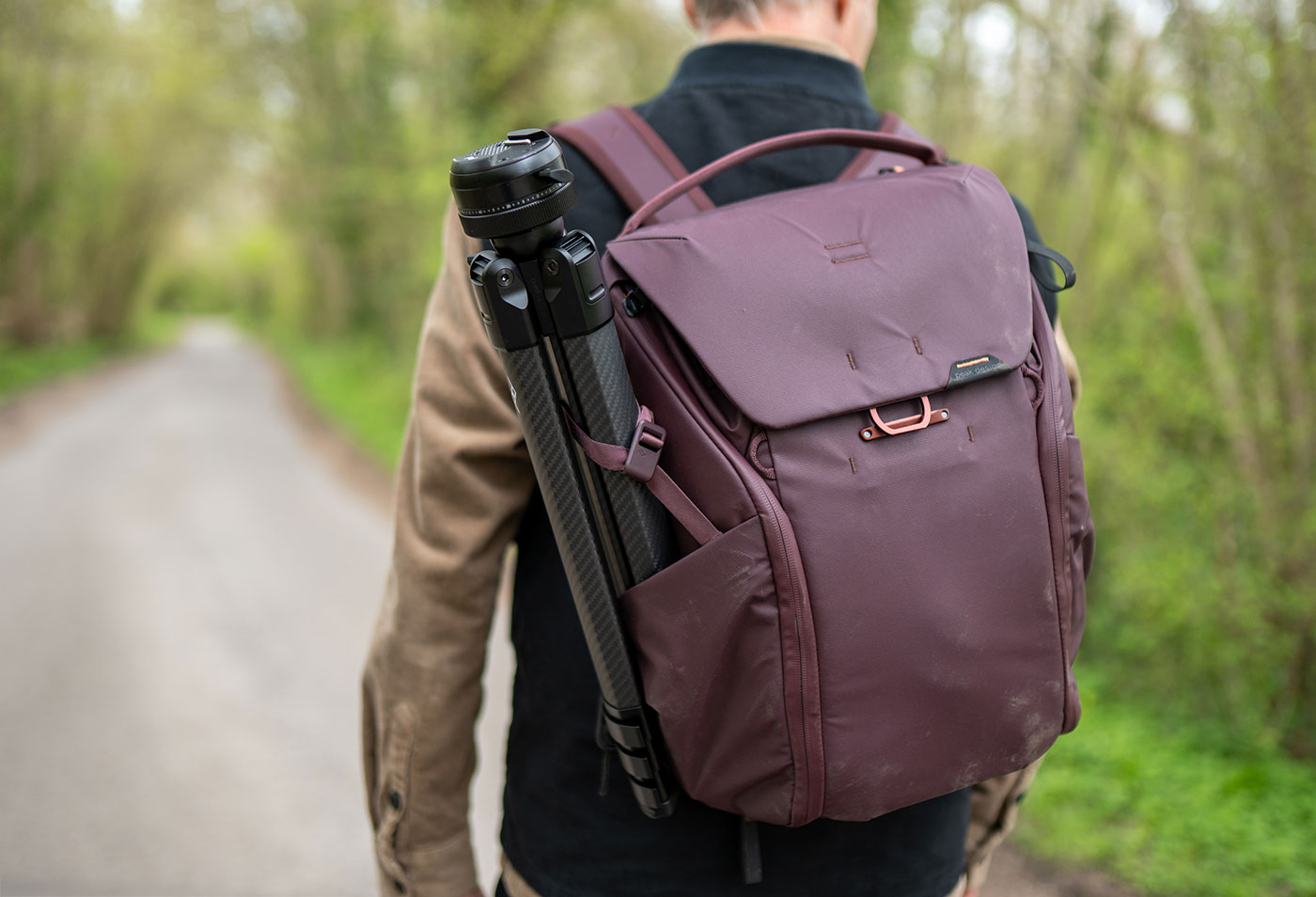
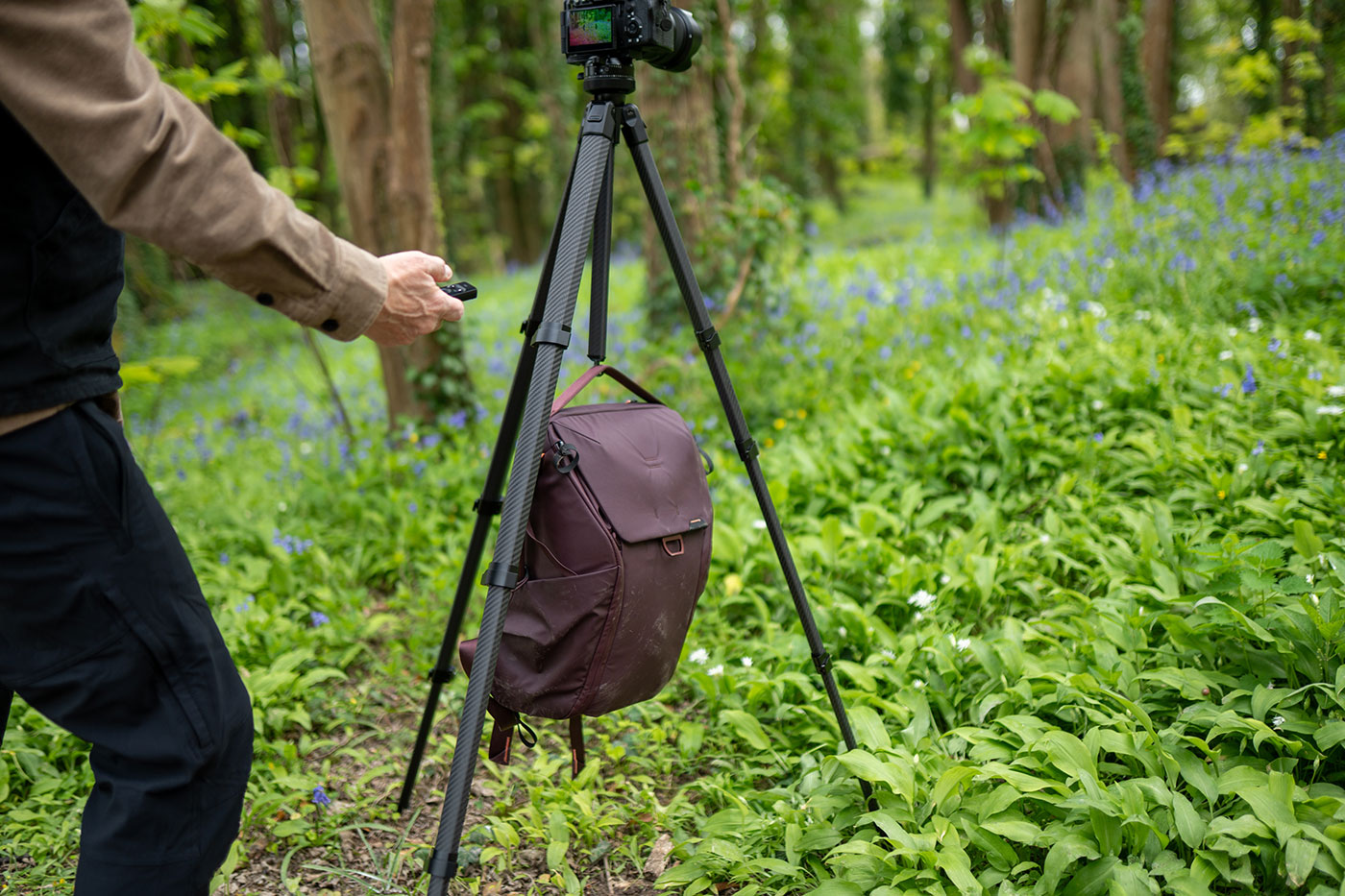
Although 48.8cm when folded is not especially short, with a packed diameter of just 8.5cm it is definitely slim. This allows it to be packed in a suitcase, camera bag or side pocket for travel, although these pictures show that it is a little too long for the smallest 20-litre Everyday Backpack.
If you have a larger camera bag or use the included bespoke bag, you'll be all set for travel, while also looking very smart, bringing us onto stability in the field.
How stable is itduring use?
Tripod manufacturers generally try to balance weight, stability and portability, and Peak Design approached this classic problem by redesigning the traditional rounded carbon leg shape to create an option that feels quite stable in use while being lighter and more compact when folded away.
While I wasn't able to test it in particularly windy conditions, it did prove stable during my time shooting, and also includes a ballast hook to hang your bag or other weight for additional stability when it is windy.
It does include a centre column, which is worth noting as the 133cm fully extended height with the column down is too short for some situations. Once the column is extended, stability drops and care is needed to maintain sharpness, particularly in windy conditions or during long exposures. This is a common limitation of centre columns rather than something unique to PD, although the lightweight hollow column construction may contribute to reduced rigidity. It's hollow not only for weight saving, but also to house the tool needed to reverse the centre column, keeping it handy when needed.
Rubber feet are included as standard, which is fine for hard-packed ground but not ideal in muddy or wet conditions. This means you'll need the stylish but optional Pro Lite tripod spikes for stability on softer terrain, which will set you back £44.00.
Through the uniquely shaped legs, this model has changed my expectations of rounded carbon fibre legs. But how was usability? Let's look at that next.
Is it easy to use?
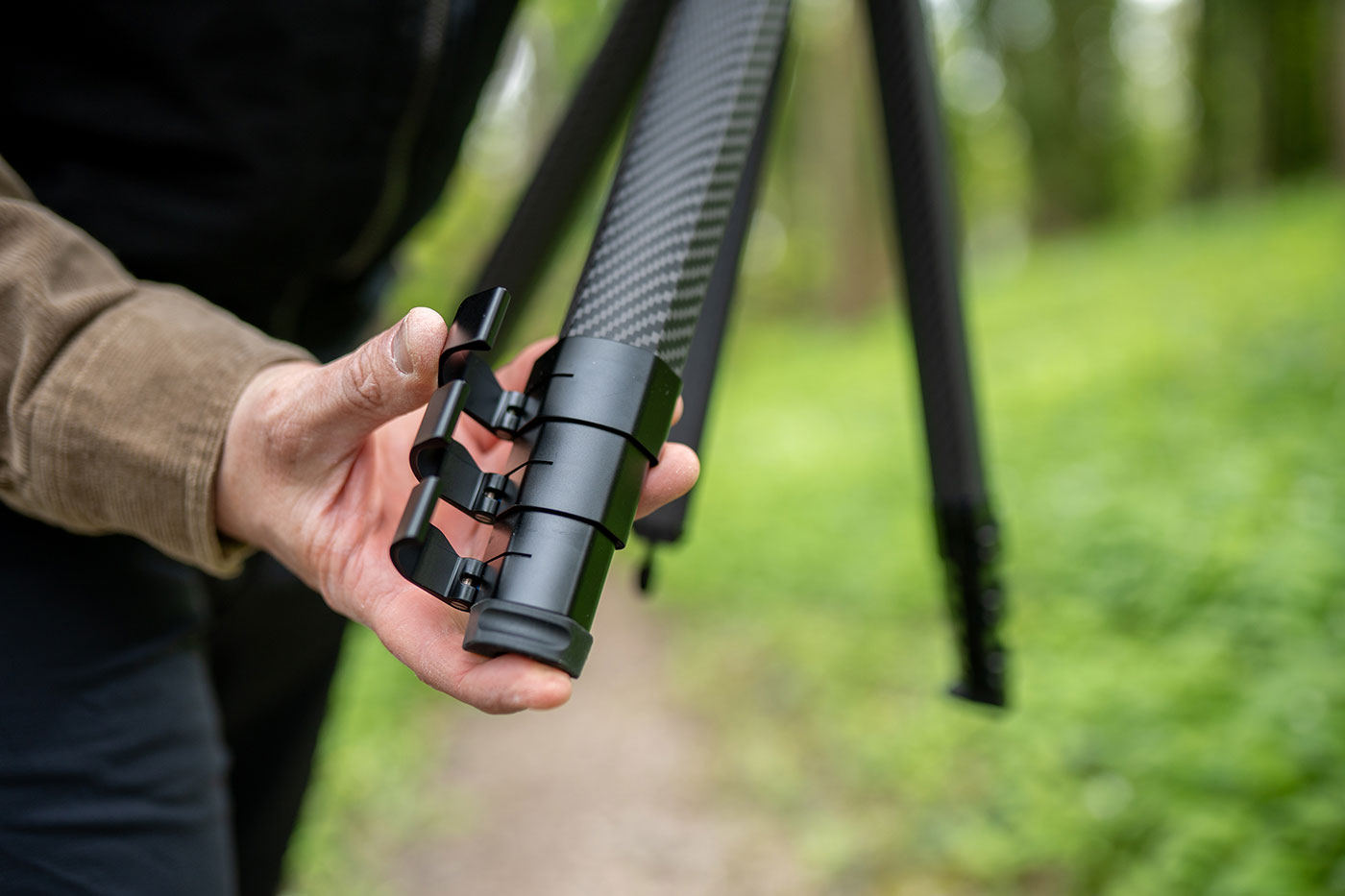
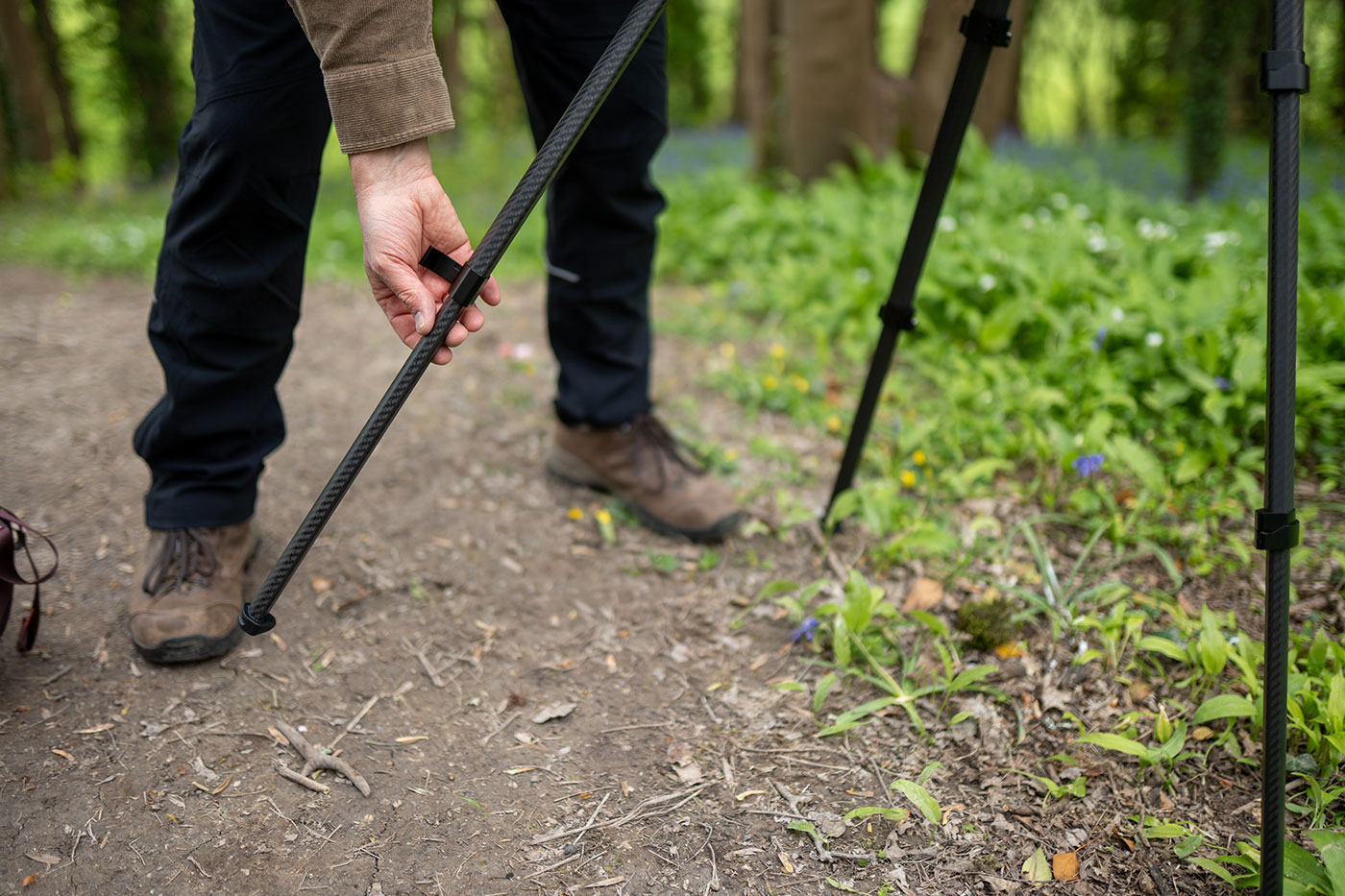
Suports should ideally be easy to set up and adjust, allowing you to capture shots quickly on different terrain when needed, then pack down easily to move to another location. This model features large, free-moving leg locks, which can be operated all at once to save time.
Although I generally prefer twist locks, the simplicity of these particular lever locks is a real benefit and reflects the overall usability of the design. The leg angles are easy to adjust on uneven ground, or I imagine for gloved use in the cold, and the unique ball head was equally user-friendly. Ball heads are an essential part of overall operation, which we look at next.
How good is the Peak Design Pro Ball Head?
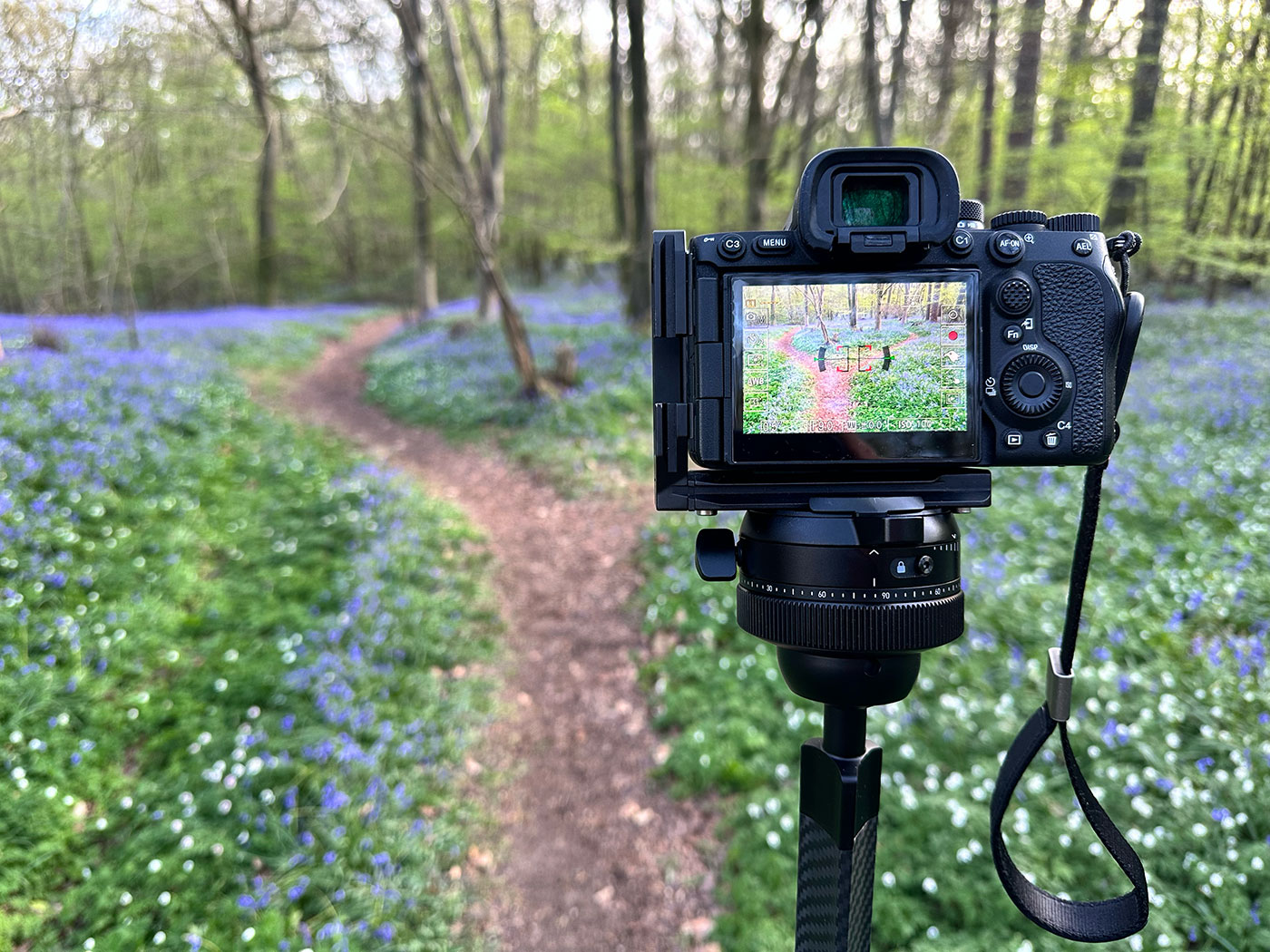
The Head is unique, and features a knurled ring to loosen the head for levelling, with an easy-to-view bubble level for accuracy. At first this design was a little disconcerting, but it felt solid and there's also a locking switch to robustly secure your camera.
It rotates smoothly for compositional changes, and the only downside to this design was the inflexibility when the head is fully lowered, as it catches on the apex of the spider.
Although you can flip your camera into vertical orientation with this head, I prefer using an L-bracket to achieve quick orientation changes. Overall, between the legs and head, it's very easy to achieve your exact composition, and the legs also converts to a hybrid video rig, which we explore next.
Is it a good support for video?
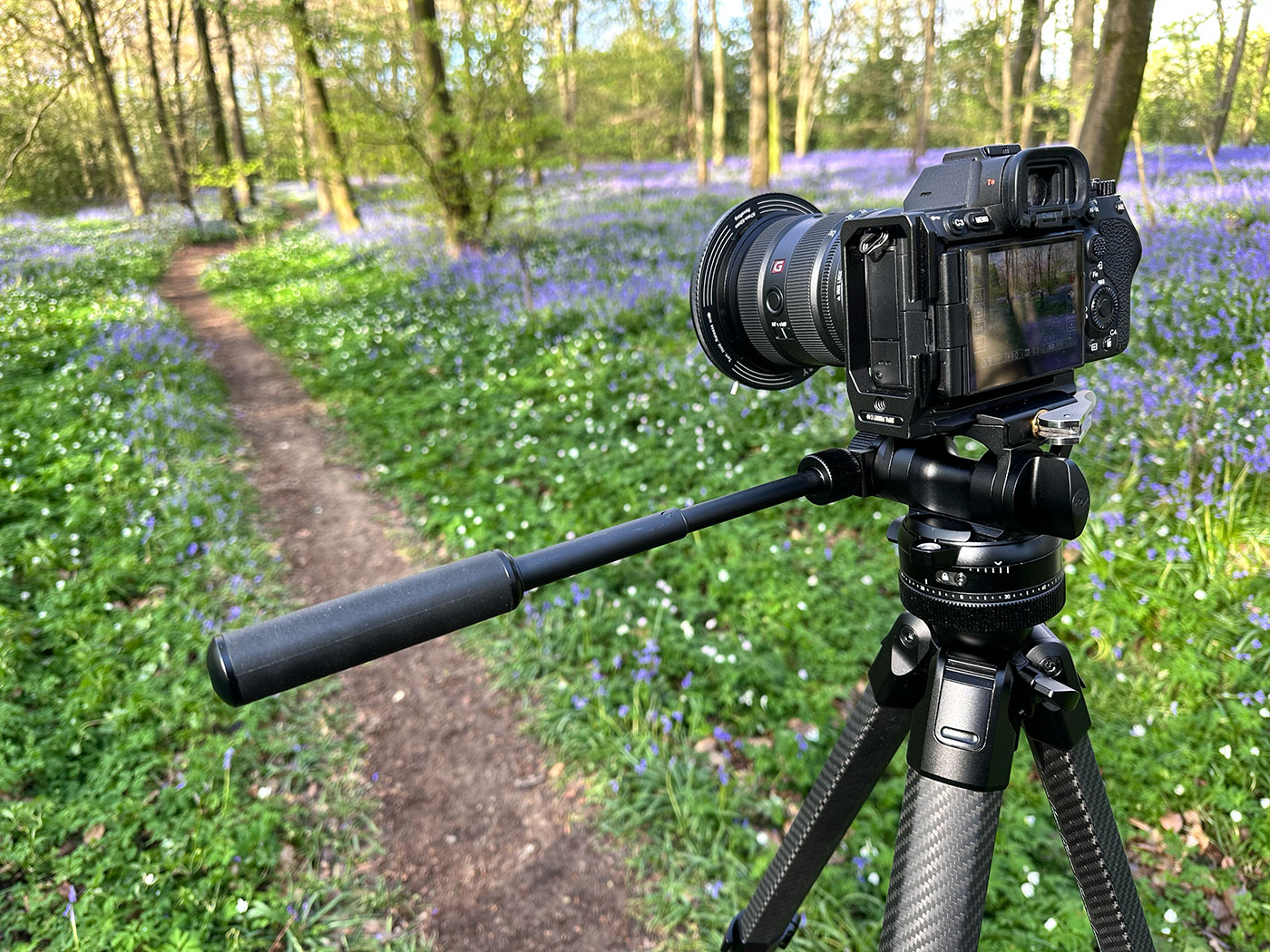
The company has catered to solo and hybrid creators through the optional £134.99 Pro Tripod Tilt Mod (Ball Head Video Adapter). I tried the head during some landscape photography and found it easy to slot into the ball head. Once mounted, the 430g mod pans very smoothly and is easy to lock off for everyday filmmaking.
One drawback with my own setup was the Tilt Mod's orientation of the Arca clamp, which runs front-to-back rather than side-to-side. With an Arca-style L-bracket or cage, this restricts tilt movement as far as I could tell. You can add a Peak Design Pro Tripod Levelling Base for an additional £109.00, but this becomes another expense and requires removing the centre column.
Aside from that, it's a useful addition that removes the need for a separate video system for equipment weighing 4.5kg or less.
Can it Get Low to the Ground?
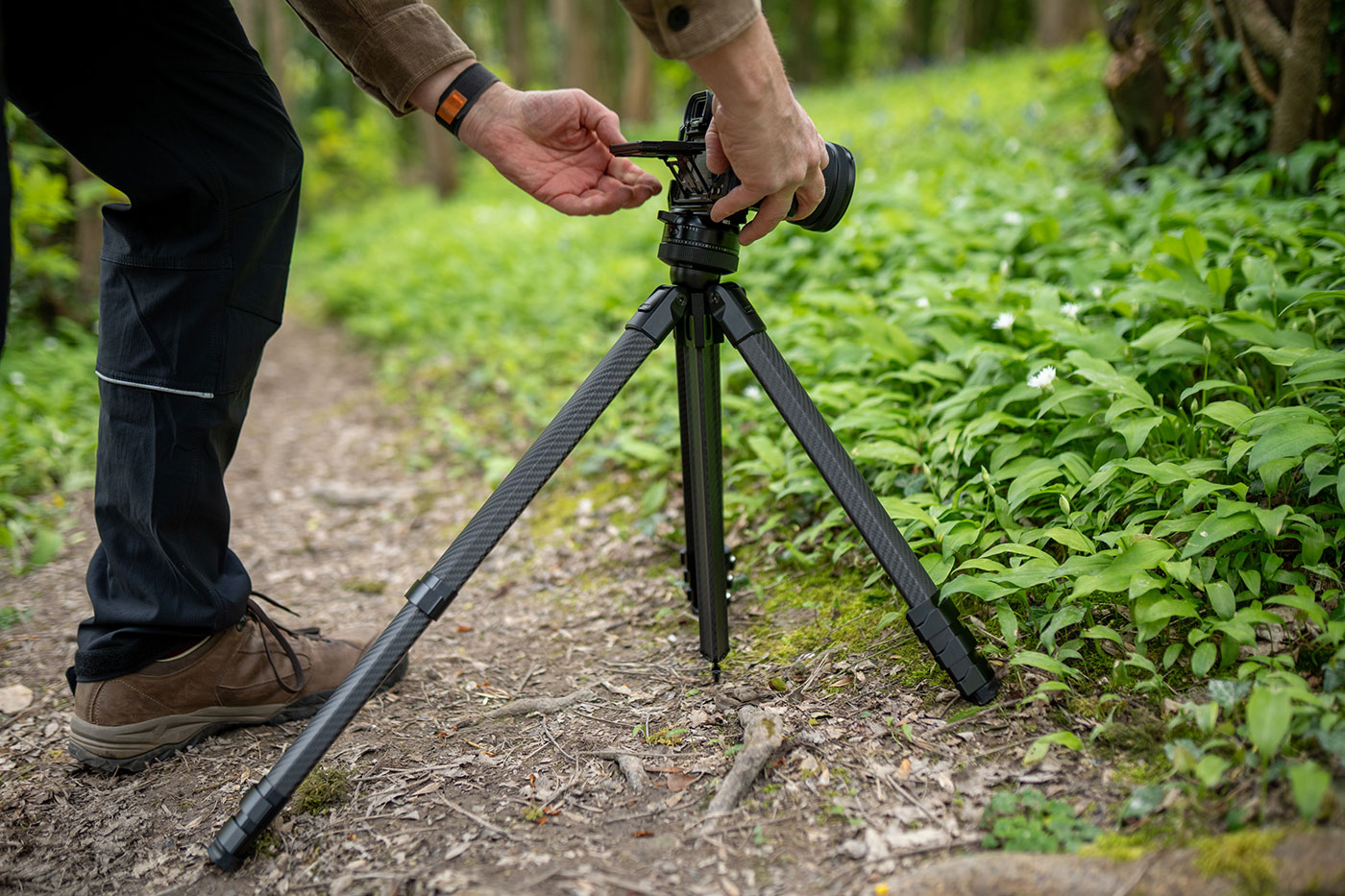
Yes, but centre columns not only reduce stability but also make low-angle shooting less straightforward. While some models use a horizontal 90° column system, this column has to be completely removed or inverted with the supplied tool before it can be positioned close to the ground.
Although quite common, I do find this a bit cumbersome in the field, especially if switching frequently between regular and low angles. If that's something you do regularly, it may be worth considering an alternative, or replacing the centre column with the optional Levelling Base, which allows a much lower shooting position but removes any additional height adjustment.
Aside from a few small gripes, the Pro Lite is a great system. When I first saw the redesigned legs, I wondered whether it was trying to reinvent the wheel, but it is lightweight and does pack down smaller, which goes some way towards answering that long-standing trade-off between weight, payload and stability.
If you regularly hike or travel with heavier equipment and need more stability than a travel option provides, while only occasionally shooting at low angles, this is a very compelling option for hybrid creators. There’s no single setup that meets every brief, but this is one of the most rounded options I’ve tried so far, and for most photographers and creators it will handle the vast majority of situations well.
It’s worth acknowledging that £699.00 for the Pro Lite alone is quite a serious investment, and for many photographers the optional extras will be essential. Spiked feet cost £44.00, the Video Tilt Mod is £134.99, and the Levelling Base costs £109.00, which brings a fully specced hybrid system to just under £1,000.
That said, one of the biggest selling points for any user is Peak Design’s no-hassle lifetime warranty. I’ve had a couple of expensive models fail over the years where a lifetime warranty would have been brilliant, so this goes a long way towards justifying the outlay.
Learn more and reserve your Pro Lite tripod today, or explore the whole Peak Design product range to compare different options.
Share this post:
By Nick Dautlich on 28/05/2026

Nick Dautlich
Senior Content Writer and Product Reviewer
Nick Dautlich is the Senior Content Writer and Product Reviewer at Park Cameras, with over 15 years of photography experience. A Sony Imaging Professional and expert reviewer, Nick has worked with major brands such as Canon, Sony and Nikon. His work is also featured on Vanguard World UK’s website, Capture Landscapes, and Shutter Evolve. Nick’s photography includes National Trust projects and magazine covers and he is passionate about landscapes and storytelling. Nick also enjoys hiking and teaching his children about nature. Learn more on his profile page.
Trade in your old equipment
Fast and easy trade in service ensures your old gear is collected efficiently and you are paid quickly! It's very simple to trade in your unwanted photography gear. Just head over to our dedicated Sell or Part Exchange page, fill out the details, and we'll get back to you with an offer for your old gear. Take the cash, or put it towards the cost of your new gear. It's up to you! Find out more
sign up to the newsletter
Keep up to date on the latest photography news, events and offers. Sign up now