- Call us 01444 237070

-
- Back
- Used Cameras
- Used Accessories
- Used Lenses
- Back
- Used Canon Lenses
- Used Nikon Lenses
- Used Fujifilm Lenses
- Used Sony Lenses
- Used Micro 4/3rds Lenses
- Used Leica Lenses
- Used Panasonic Lenses
- Used Pentax Lenses
- Used Samyang Lenses
- Used Sigma Lenses
- Used Tamron Lenses
- Used Tokina Lenses
- Used Voigtlander Lenses
- Used Zeiss Lenses
- Used Hasselblad Lenses
- Used Video
- Used Film Equipment
- Used Stock Alert
- Used Blank Test
- Sell or Part Exchange
- Used Clearance
- Recently Added Used Equipment
- Park Picks
- Faulty
- Trade-In
- Blog
- New in
- Call us
- Contact us
- Stores
- Sign in
Call us: 01444 237070
Search terms
Brands
Category
Products
[[{name}]]
[[{attributes.Price}]]
- Categories
- Tips & Inspiration
- Reviews
- News
- Events
- Features
- Buying Guides
- Competitions
Macro and More with the Sony 100mm GM Lens
I can’t think of a better way to round off 2025 than with a hands-on review of the recently launched Sony FE 100mm F2.8 Macro GM OSS. We’ve already got an in-depth Sony FE 100mm f/2.8 Macro GM Comparison from September, when the lens was released, so this post doesn’t cover the specs or revisit comparisons with the 10-year-old Sony 90mm macro lens, which I was also fortunate to review this summer.
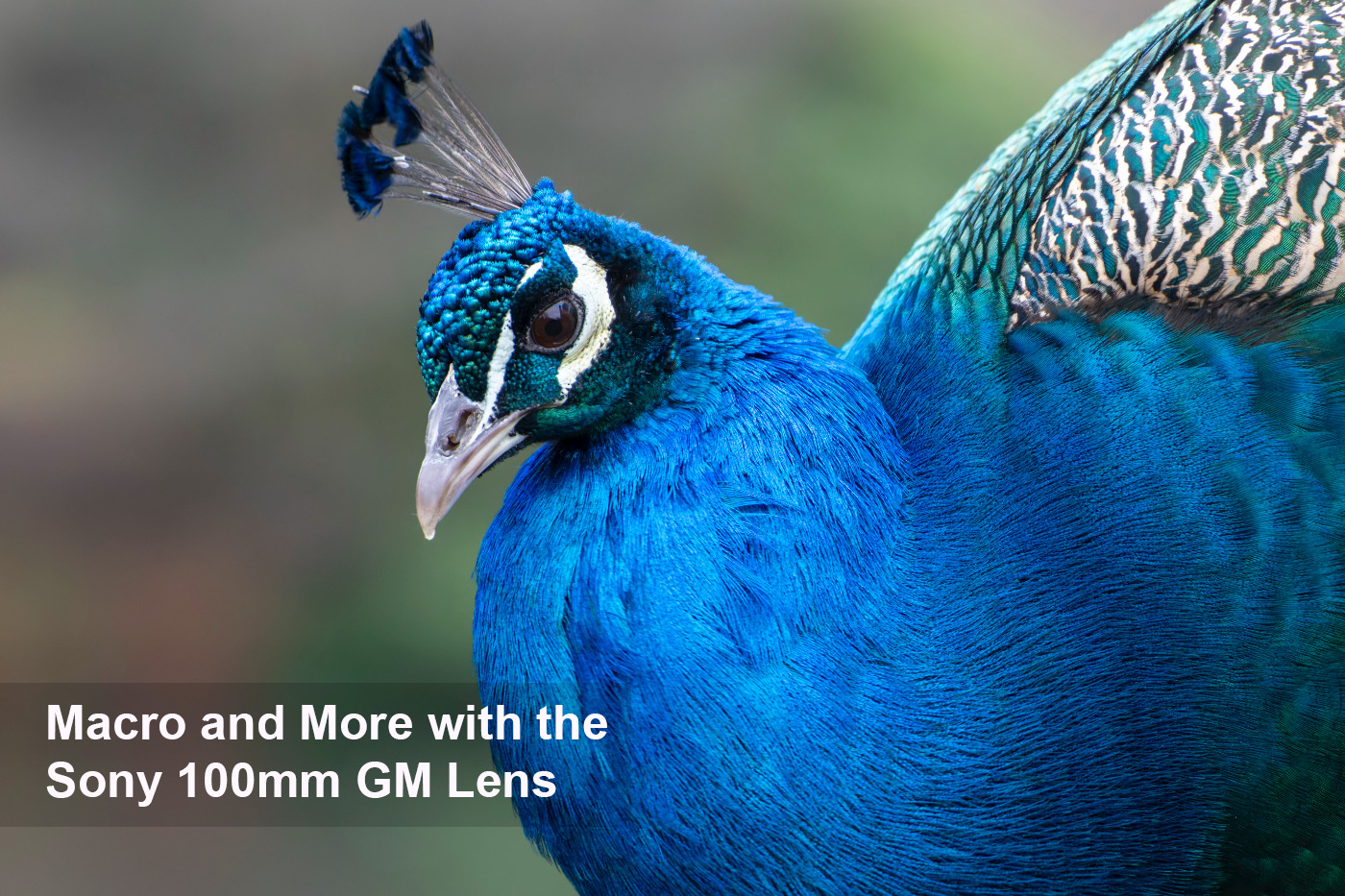
Instead, this hands-on review looks at shooting macro and more with the Sony 100mm GM lens, which is much more than simply a close-up lens. At 100mm, this could be the versatile short telephoto you’ve been looking for, with a field of view in the same range as 85mm and 135mm lenses, but with the additional benefit of offering extreme close-ups.
So without further ado, let’s get stuck in and explore some background to this new Sony macro lens, although we’ve added a quick pros and cons summary if you’re pushed for time.
Sony 100mm Macro GM pros and cons
Pros
- Excellent sharpness across the frame, from close through to infinity
- 1.4x magnification allows macro and creative close-up work
- Fast and quiet autofocus, especially for a macro
- Useful physical controls, including a focus limiter, aperture ring, and customisable buttons
- Works well as a short telephoto for portraits, detail shots, and general use
- Solid G Master build with full weather sealing
- Compatible with a 2.0x teleconverter, extending magnification to 2.8x
Cons
- Larger than some primes, so not especially discreet
- Subject recognition is less reliable at very close focusing distances
- Premium pricing compared to third-party options

Sample 01 Bokeh Sony FE 100mm F2.8 Macro GM OSS Lens. Camera settings: 1/125 sec. f/2.8. ISO 1250 (right click to open larger)
Background
Before diving in, here’s a quick overview of this lens that’s already made a very strong impression. The Sony FE 100mm F2.8 Macro GM OSS was released in September 2025 and quickly became recognised by some reviewers as one of the best macro lenses ever released.
It is widely praised for its impressive sharpness, high 1.4x maximum magnification ratio, which is bigger than life size, and overall image quality, which really does stand out straight away.
Whether you enjoy photographing nature macro, flowers, portraits, closer wildlife, or fine details, this Sony lens offers a heady combination of image quality from near to far, focus speed, and versatility, which is hard to match with other lenses.
It costs £1,399.00, which is definitely not the cheapest macro lens for Sony. However, if macro photography is more than a passing interest, this is a strong option that’s worthy of your consideration.

Sample 02 Portrait length. Camera settings: 1/60 sec. f/2.8. ISO 2500 (right click to open larger)
Which camera body was used for the review?
As luck would have it, my Sony camera was in for repair at the UK service centre during the time of this review. However, I was very fortunate to have a loaner Sony A7R V camera body for the entire time.
This was one of the first Alpha cameras to include a dedicated AI-driven subject recognition processor, and it’s still a very proficient Sony camera for macro photography, not only thanks to excellent subject recognition, but also the high resolution, which provides plenty of latitude for cropping into the image.
That being said, all of the sample images shown here are uncropped, with relatively minor edits to taste, such as contrast, white balance, and vibrance. This demonstrates the variety of views you can achieve with a 100mm lens, while leaving the results close to straight out of camera.
Personally, I love this kind of short telephoto range and I’d be very happy shooting subjects like street photography at 100mm, placing the viewer in the scene without needing to get too close to the subject. While I didn’t manage any street photography, I did train the lens on a variety of other subjects, including portraits, animals, and of course close-ups, as well as testing flare, bokeh, and more.
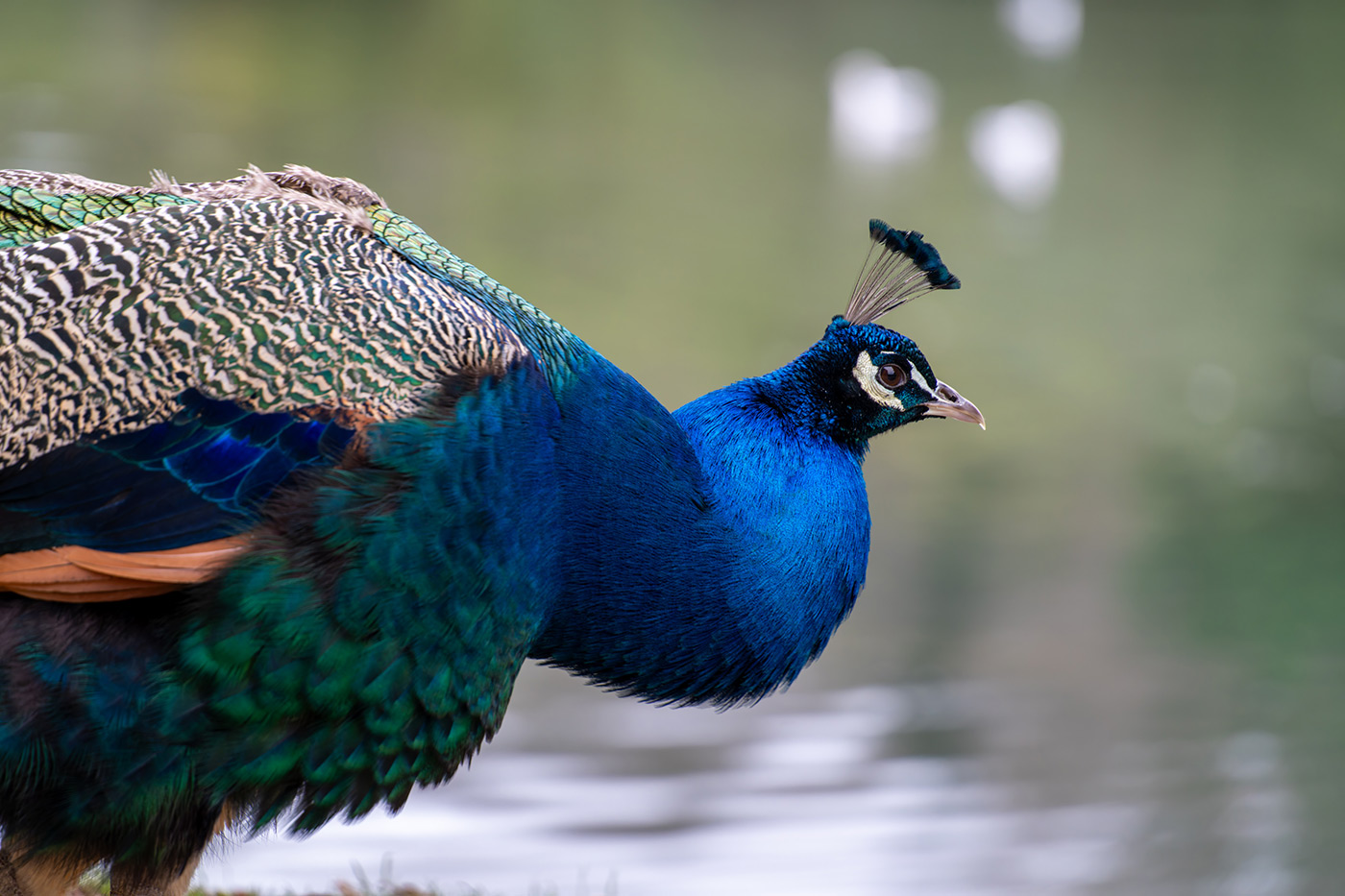
Sample 03 Sony FE 100mm F2.8 Macro GM OSS Lens with 2.0x Teleconverter (@200mm). Camera settings: 1/125 sec. f/5.6. ISO 1000 (right click to open larger)
Should you buy a lens second hand?
Buying a second-hand lens can be an excellent way to save money while still enjoying high-end image quality. If you’re considering this option, it’s important that you purchase from a trusted store that provides a warranty, especially with a lens, which could have hidden issues.
With that in mind, it will be some time before you’re likely to find a used Sony FE 100mm F2.8 Macro GM OSS lens, as they are very popular and will be scarce on the second-hand market for some time. If you do see one, I’d be tempted to snap it up. You can browse our current stock of used Sony lenses and set up an alert for a specific model.
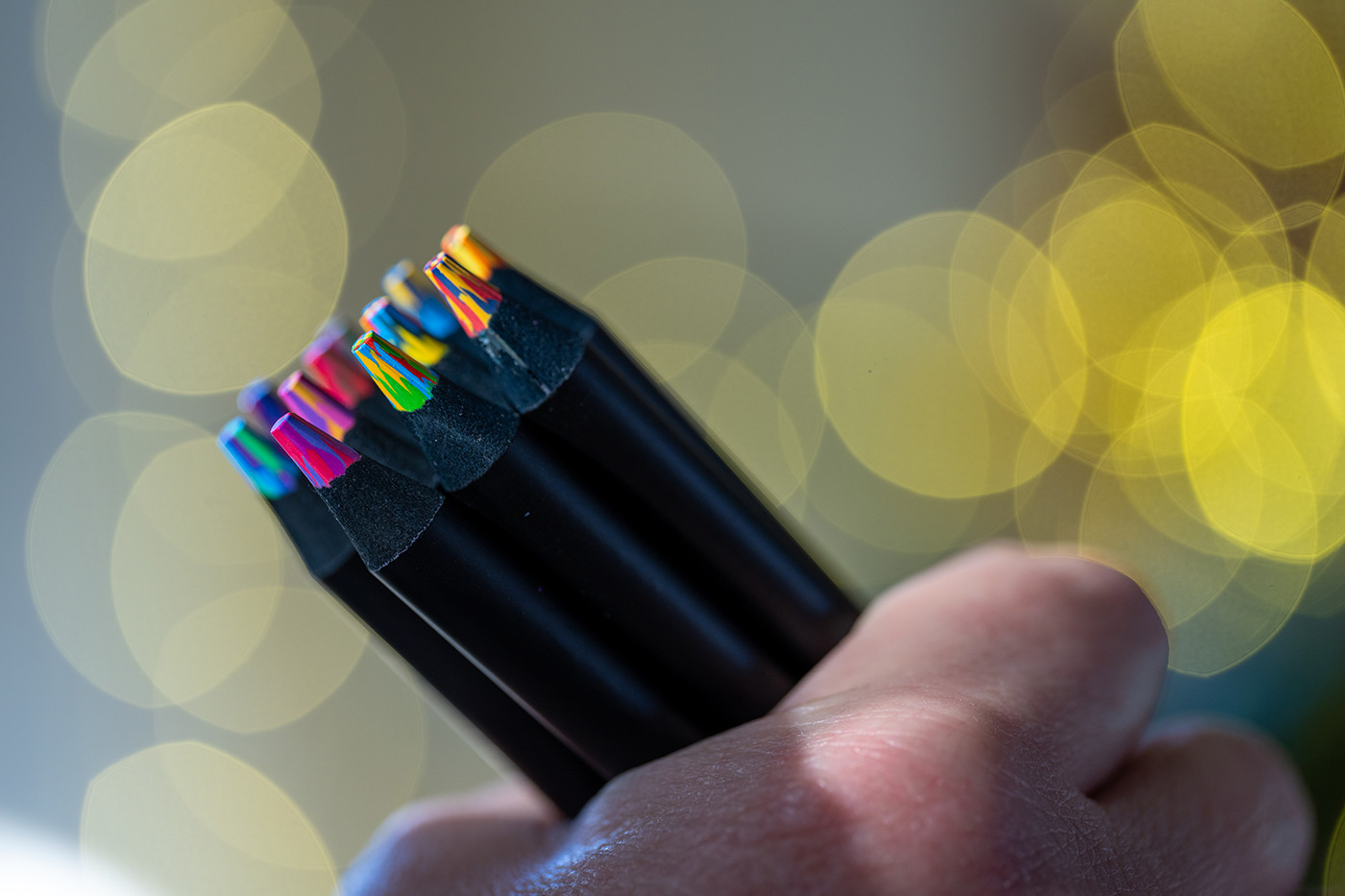
Sample 04 bokeh. Camera settings: 1/60 sec. f/2.8. ISO 500 (right click to open larger)
Which is the Better Choice, Prime or Zoom?
The prime vs zoom debate has been around for years, and it comes down to personal choice and what you value most for your style of photography. An advanced prime such as this Sony E-mount macro lens has got everything from image quality to lens controls and focus speed, thanks to the latest quad linear motor AF system.
It is worth noting that many zooms offer a degree of versatility, which you simply can’t match with a prime. You’ve essentially got to ‘zoom with your feet’ when using a fixed focal length. However, with a macro lens that’s often to be expected, as the majority are primes, albeit with a few exceptions such as Sony’s own FE 70-200mm F/4 G OSS II, which we included in our aforementioned buying guide.
Prime lenses often benefit from simpler optical designs, a smaller and more portable size, and can still offer features like a de-clickable aperture ring or fast focusing.
For those who lean towards value, a zoom like the 70-200mm F/4 G OSS II provides really good close-up performance (native 0.5x) at a similar price to this 100mm macro prime.
With that in mind, let’s take a closer look at how the FE 100mm f/2.8 Macro GM performs in the field.
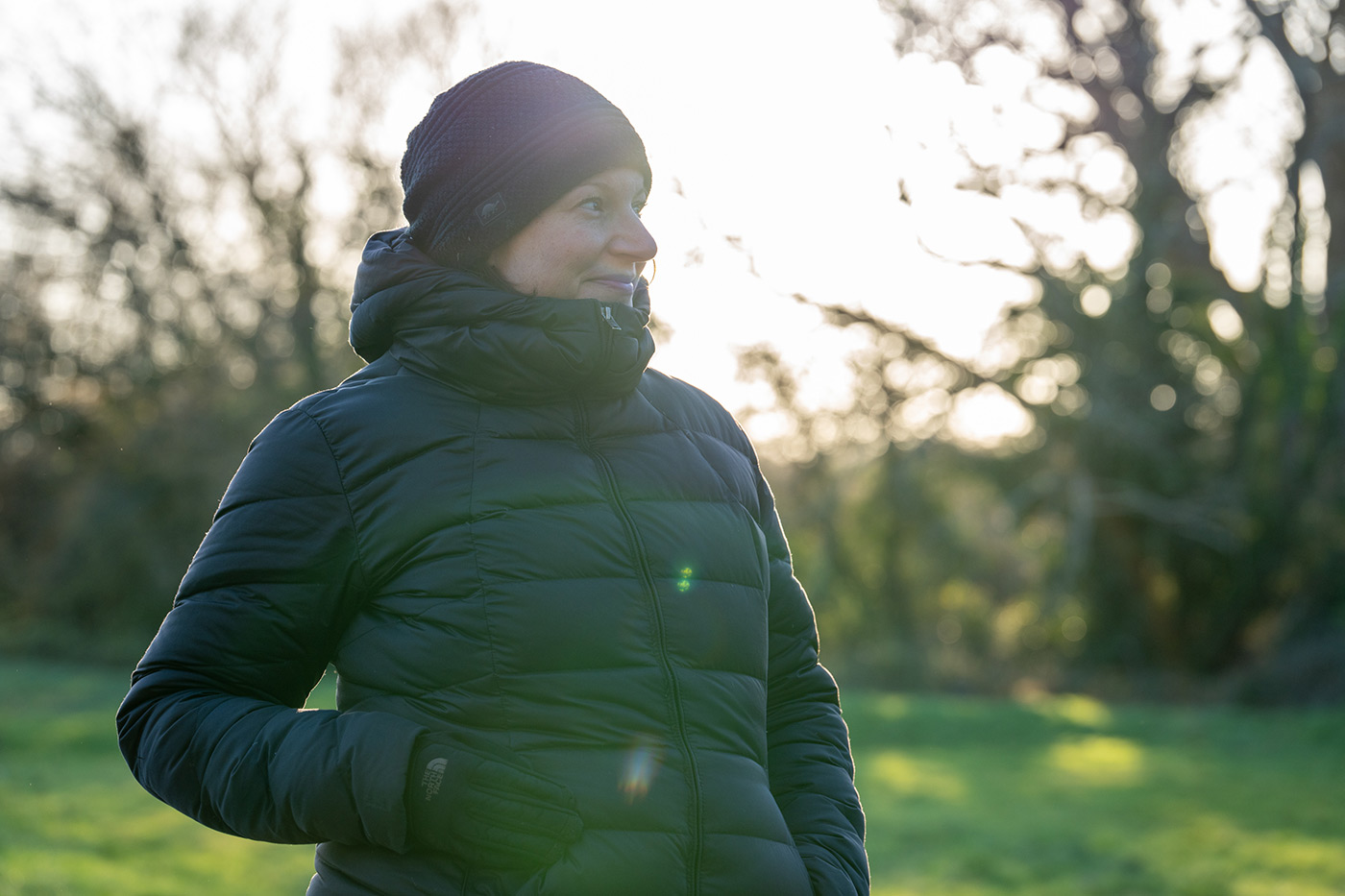
Sample 05 Lens Flare and ghosting. Camera settings: 1/500 sec. f/4.5. ISO 500 (right click to open larger)
Is the Sony FE 100mm f/2.8 Macro GM easy to use?
Yes, the FE 100mm f/2.8 Macro GM has all of the bells and whistles at Sony’s disposal that make it easy to use in the field. These include extensive controls on the barrel, a weight that’s easy to handhold, and a large focus ring which is quick to rotate.
Controls which make it easy to use include:
- A full-time DMF switch, which enables and disables full-time manual focus override, a very useful feature compatible with the majority of Sony bodies
- Focus limiter, speeding up subject acquisition when shooting at similar distances rather than across the entire near-to-infinity range
- An OSS switch (Optical Steady Shot) for on and off control
- Iris lock for controlling the aperture via the camera or the lens
- An iris de-click switch for silent aperture changes
- Two customisable focus hold buttons on the barrel
- AF/MF switch
- A focus clutch, which automatically switches the lens into manual focus only
All of this technology allows you to do everything you could realistically need in the field. It’s quick to use, highly customisable, and easy to adapt to your own workflow, whether shooting macro close-ups or telephoto subjects.

Sample 06 Closeup. Camera settings: 1/60 sec. f/2.8. ISO 1600 (right click to open larger)
Is the Autofocus Fast?
Macro lenses aren’t known for providing especially fast autofocus, and there’s often a need for manual focus override anyway. With that said, the 100mm macro features Sony’s most advanced focus system, with the signature quad XD Linear AF motors found only in a handful of premium G Master lenses.
This does achieve noticeably quick AF, especially when tracking subjects, where it will keep up with very fast cameras such as the A9 III’s 120 fps burst rate. Naturally, if you go from extreme close-ups to further afield, it can take a while, but that’s where the focus limiter helps make a difference.
When shooting very close, it can help to disable subject recognition, as the camera often struggles to detect subjects at such short distances, allowing you to place the focus point exactly where you need it rather than having it jump around.
Another consideration is that I found when using the 2.0x teleconverter, autofocus did slow a little, taking slightly longer to track moving subjects such as the beautiful peacock, which was becoming slightly tired of my presence and moving quite quickly.
All in all, the AF system is surprisingly fast, extremely quiet, and more than capable of handling all but the very quickest subjects, so if focus speed is important, a traditional macro focusing experience shouldn’t put you off.
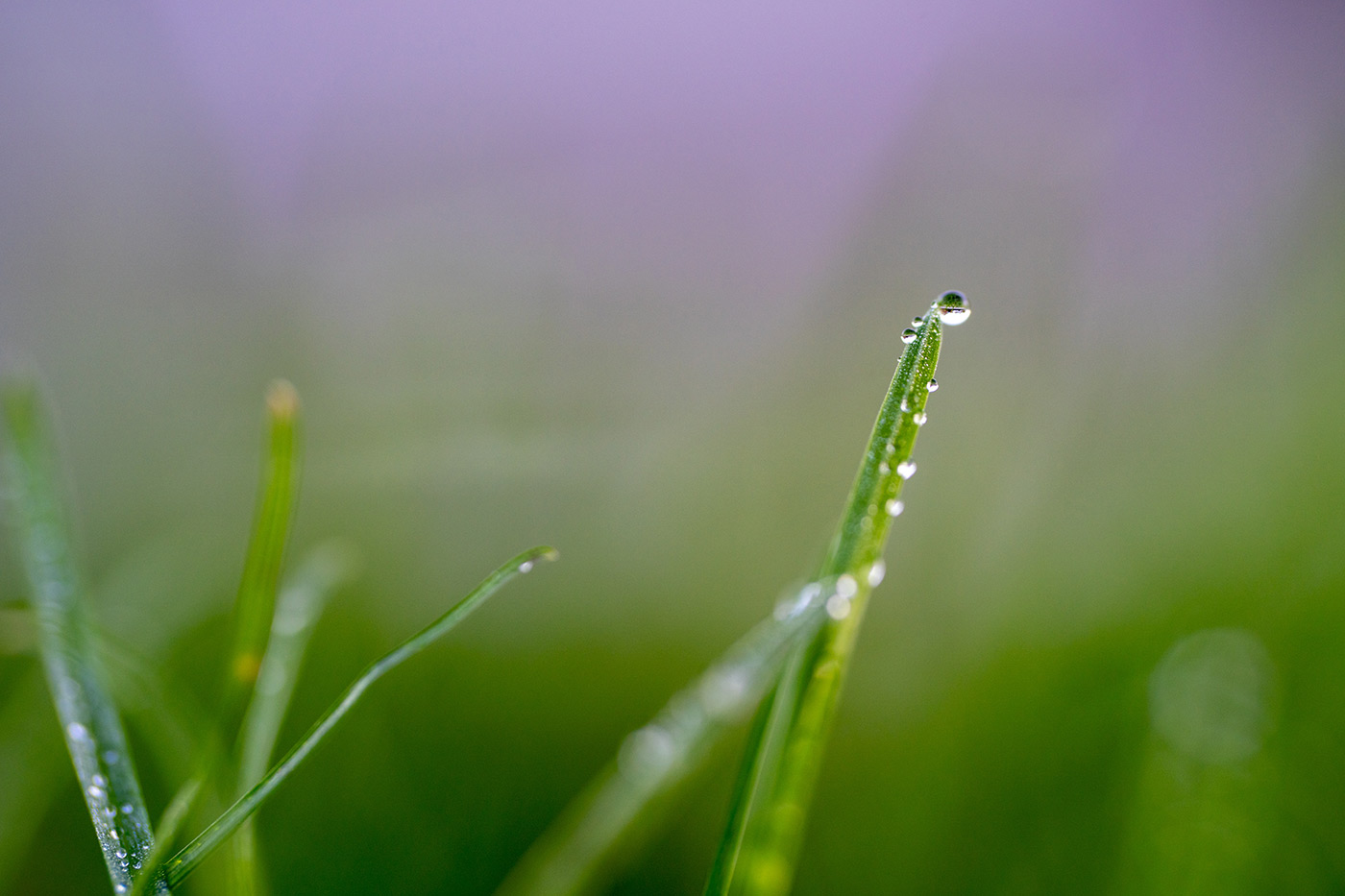
Sample 07 Droplet. Camera settings: 1/125 sec. f/2.8. ISO 800 (right click to open larger)
How is the Image quality?
This is where the 100mm f/2.8 Macro GM lens really shines, with optics that deliver incredible sharpness across the frame from near to far. Where some lenses are optimised for portrait distances or infinity, for example, this Sony E-mount macro lens is sharp throughout the range.
That’s not to say it is without character. I was able to get interesting flare and ghosting, which can add to the end result, and it’s an interesting focal length for storytelling, with characterful bokeh that can show lovely cat’s-eye effects. The bokeh is otherwise really clean and pronounced, and you can achieve beautifully soft defocused areas to create depth.
Another area where the lens impressed was its handling of aberrations, with no obvious colour fringing visible, even in shots where LOCA would typically be a concern.
Where some lenses are purely clinical, this allows you to change the character to some degree for each shot, rendering razor-sharp clean lines or blurred out-of-focus areas that highlight the subject.
Next, let’s look more closely at the genres you can shoot.

Sample 08 Daisy. Camera settings: 1/125 sec. f/7.1. ISO 2000 (right click to open larger)
What can you shoot with a 100mm f/2.8 Macro?
With a 100mm focal length and f/2.8 maximum aperture, this is a versatile lens with a field of view that suits a broad range of photographic genres. When you add the 2.0x teleconverter, you get a 200mm f/5.6 prime, extending its versatility even further.
The high-resolution rendering makes it particularly suitable for capturing shots with lots of detail and for cropping if required, while comprehensive weather sealing and durable G Master build quality make it suitable for use in most outdoor environments.
Whether you’re a professional or an enthusiast, the lens caters to all sorts of subjects, including:
- Family photography and portraiture
- Landscapes
- Street photography and reportage (although it is quite large, so less discreet)
- Macro and detail shots of nature, flowers, insects, jewellery etc.
- Closer sports, action and wildlife
- Fashion and commercial
- Weddings and events
- Product photography
- General photography
- Video
There’s very little this lens cannot do. However, it’s important to note that this is a relatively large fixed focal length lens, making it less discreet and not quite as versatile as a zoom, depending on the situation. This could be, for example, where you are unable to move around much or are shooting in a tight space, where a zoom might suit the situation better.
A zoom would be unlikely to achieve the sharpness this lens does, and many photographers are prepared to make the compromise that prime lenses demand in exchange for image quality.
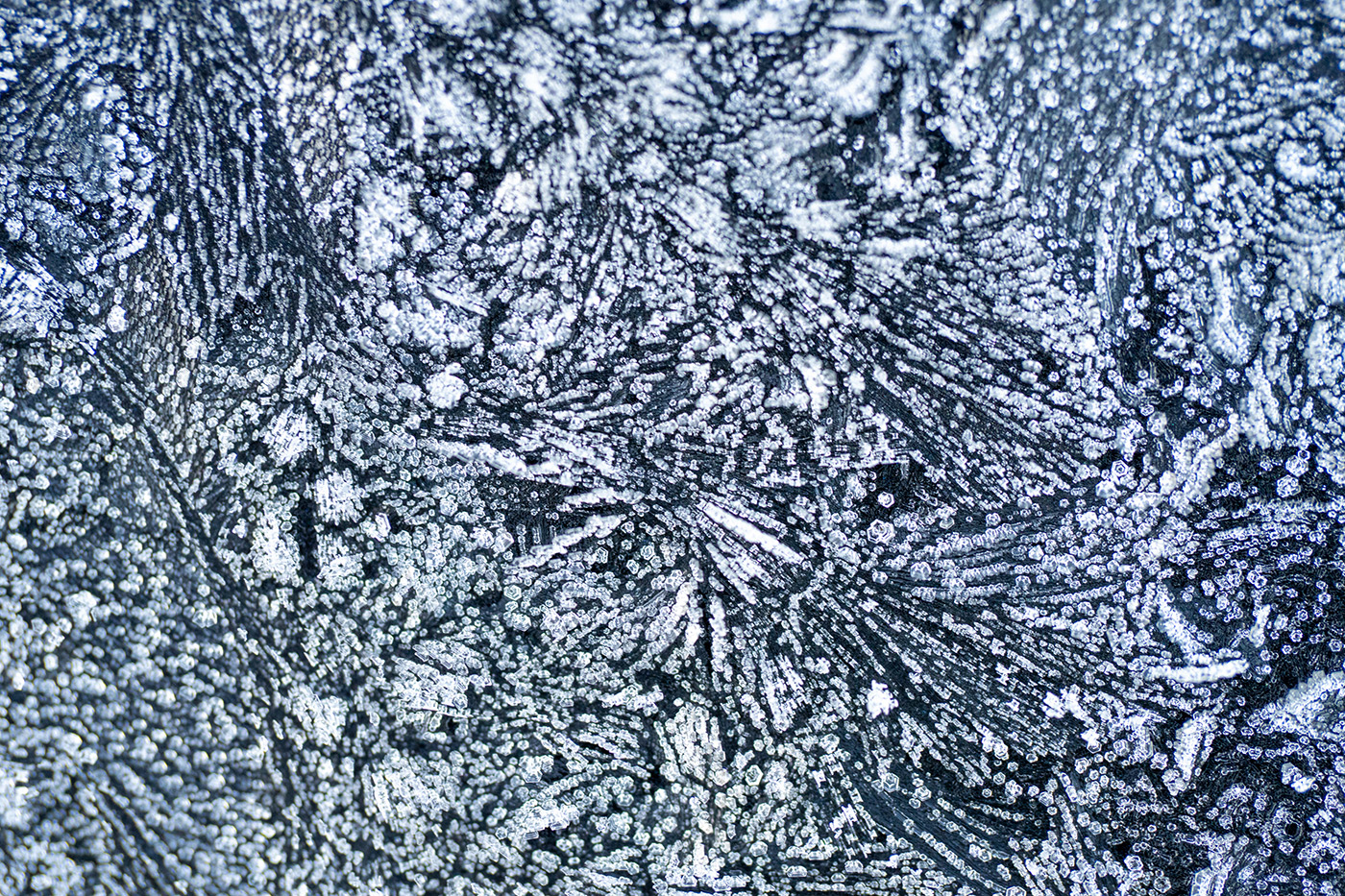
Sample 09 Ice Patterns. Camera settings: 1/125 sec. f/2.8. ISO 2000 (right click to open larger)
Conclusion
While macro itself is quite a specialised subject, a 100mm f/2.8 lens offers more than simply close-up shooting, with a versatile focal length suited to lots of different subjects. Of course, this lens really shines with macro photography, where you can achieve larger-than-life magnification with 1.4x native and 2.8x with a teleconverter, paying only a mild penalty in light loss and focus speed. Sharpness seems largely unaffected and remains clinically sharp throughout.
While it’s not the cheapest macro lens for Sony, in my experience it stands out for the range of features, comfortable working distance, and versatility it offers. There’s no doubt this will impress photographers of all experience levels and become a valued option in any lens collection.
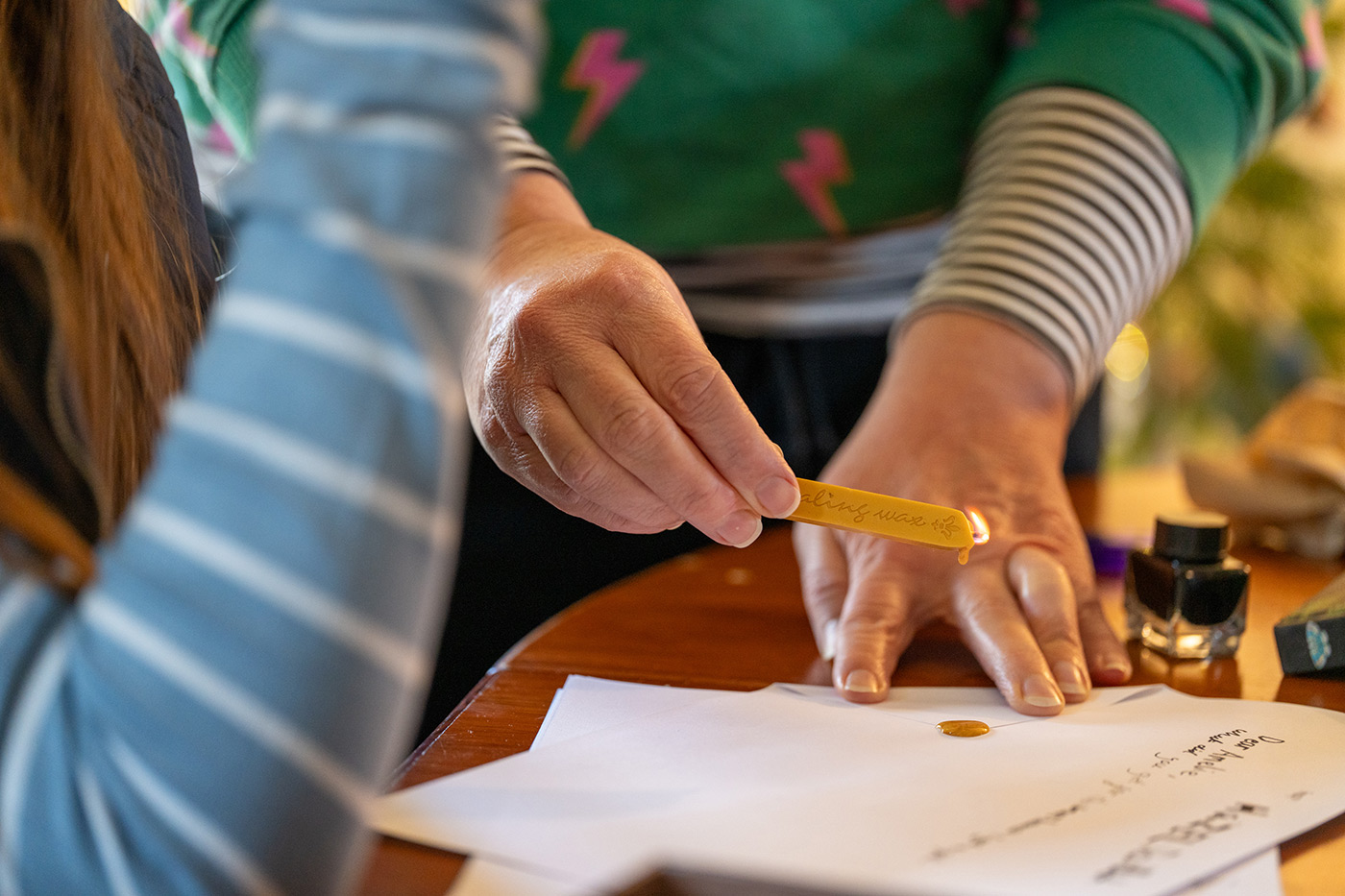
Sample 10 Candle. Camera settings: 1/60 sec. f/2.8. ISO 2000 (right click to open larger)
Reserve your new Sony FE 100mm F2.8 Macro GM OSS today, or set up an alert in our second-hand Sony lens category in case one becomes available.
Share this post:
By Nick Dautlich on 31/12/2025

Nick Dautlich
Senior Content Writer and Product Reviewer
Nick Dautlich is the Senior Content Writer and Product Reviewer at Park Cameras, with over 15 years of photography experience. A Sony Imaging Professional and expert reviewer, Nick has worked with major brands such as Canon, Sony and Nikon. His work is also featured on Vanguard World UK’s website, Capture Landscapes, and Shutter Evolve. Nick’s photography includes National Trust projects and magazine covers and he is passionate about landscapes and storytelling. Nick also enjoys hiking and teaching his children about nature. Learn more on his profile page.
Trade in your old equipment
Fast and easy trade in service ensures your old gear is collected efficiently and you are paid quickly! It's very simple to trade in your unwanted photography gear. Just head over to our dedicated Sell or Part Exchange page, fill out the details, and we'll get back to you with an offer for your old gear. Take the cash, or put it towards the cost of your new gear. It's up to you! Find out more
sign up to the newsletter
Keep up to date on the latest photography news, events and offers. Sign up now